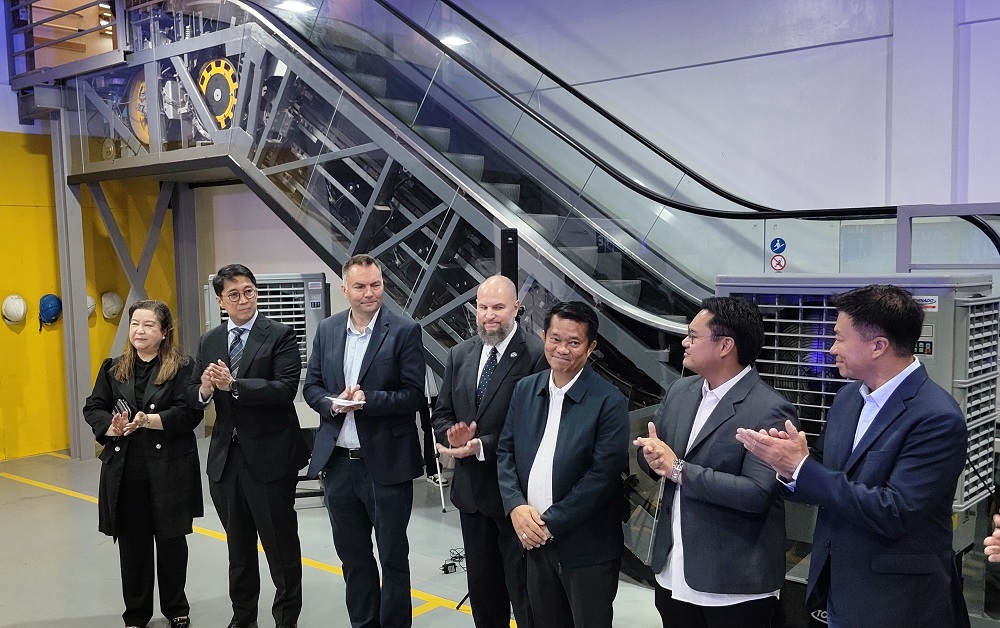
Finland-headquartered elevator and escalator manufacturer Kone has officially opened its newest training hub, the Kone Academy, in the Philippines. Unveiled during a July 22 event, this marks the seventh Kone Academy across six Southeast Asian countries.
The facility aims to train fresh graduates and upskill existing technicians by offering a blend of theoretical knowledge and hands-on experience. It is part of Kone’s broader strategy to support urbanization, sustainability, and technological advancement in the vertical transportation industry.
In response to the growing need for modernization amid aging infrastructure and shifting customer demands, the Kone Academy seeks to help drive innovation and promote the company’s latest products. These include digital solutions and modernization technologies that leverage predictive maintenance to monitor systems in real-time and prevent potential failures.
With smart cities on the rise, Kone is also expanding into the residential market and reinforcing its sustainability commitments through recycled materials and responsible sourcing.
Located on Florante Street in Mandaluyong City, the facility can accommodate around 600 trainees annually, offering programs that run from six months to a year. It initially targets Kone employees and subcontractors, with limited slots available to new entrants.
The academy will also provide short courses for technicians servicing elevators and escalators from other brands.
The site includes three operational elevator shafts, a functioning escalator, and multiple lecture rooms, all designed to deliver immersive training. It also functions as a showroom for prospective public and private sector clients.
Edward Loy, Kone Southeast Asias managing director, shared that further enhancements are planned for the academy post-launch. These upgrades will integrate best practices from other Kone Academies in the region and showcase the company’s most recent innovations.
Loy highlighted Kone’s global reach — serving over 600,000 customers, employing more than 60,000 staff, and moving nearly two billion people daily — as a solid foundation for producing world-class technicians who will shape the future of the industry.