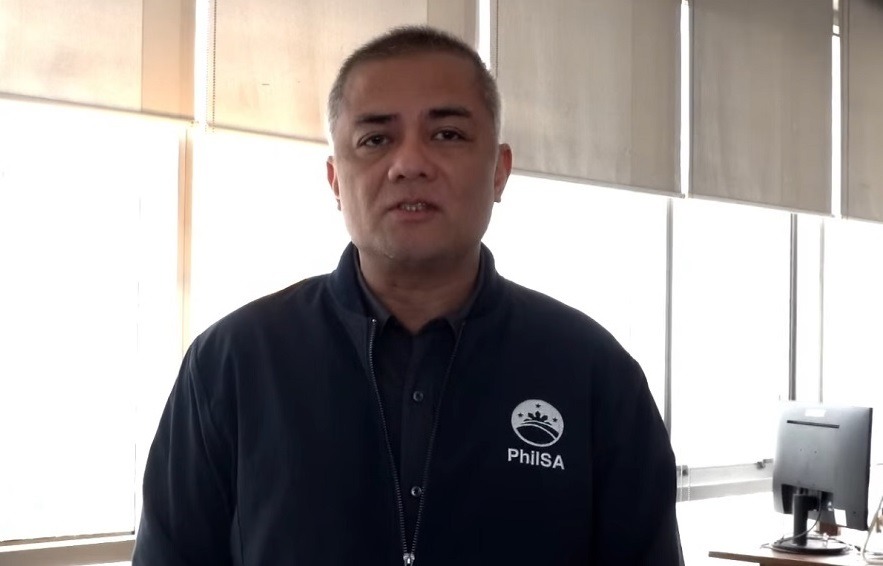
Senators raised concerns over the Philippine Space Agency’s (PhilSA) spending efficiency, budget priorities, and leadership stability during Senate deliberations on the 2026 budget of the Department of Science and Technology (DOST) and its attached agencies.
Senator Camille Villar flagged PhilSA’s low utilization of capital outlay, noting that as of June 2025, only 4.61 percent of funds had been spent, increasing to 15.91 percent by August.
While the agency projected a 96 percent utilization rate by year-end, Villar pressed for explanations on procurement delays and urged the agency to ensure that public funds produce tangible results for sectors such as agriculture, small businesses, and disaster preparedness.
PhilSA deputy director general Gay Jane Perez attributed the low spending rate to delays in procurement for ground station rehabilitation and equipment purchases, but assured senators that the agency was on track to meet its targets by December.
Senator Rodante Marcoleta raised further issues, pointing out that PhilSA’s proposed 2026 budget had been cut by 44 percent by the Department of Budget and Management.
He questioned why this reduction was made if the agency’s programs were essential, urging PhilSA to demonstrate its relevance to ordinary Filipinos.
He suggested that space technology could be applied to monitor agricultural hoarding, validate infrastructure projects, and provide seasonal guidance to farmers.
Marcoleta also pressed the Commission on Audit regarding the lack of confirmation of PhilSA’s leadership since the agency’s creation in 2019.
He noted that former director general Joel Joseph Marciano Jr. had served for years without confirmation from the Commission on Appointments, raising questions about the legality of official actions during his tenure.
Marciano recently announced that he had formally resigned from his post. In a statement, he said the Office of the President had acknowledged his irrevocable resignation, adding that he would return to the University of the Philippines as a professor after more than five years as PhilSA’s first director general.
Marciano reflected on the agency’s progress during his term, from its early days with a small team to an organization of 250 people, and highlighted milestones including the development of infrastructure, international partnerships, and integration of space initiatives into the Philippine Development Plan.
“It has been a profound privilege to contribute to the formative years of the agency and to be entrusted with stewarding its early development,” Marciano said, adding that he would continue to support the country’s space ecosystem in his academic role.