
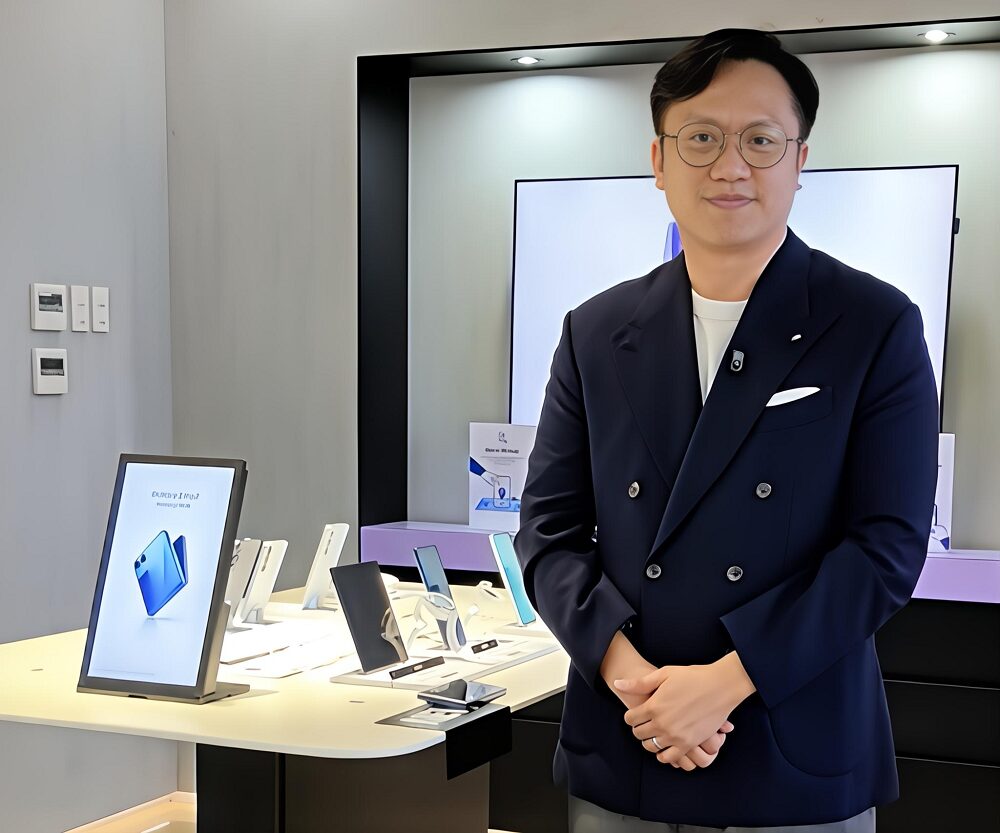
Consumer tech giant Samsung is showcasing its commitment to pioneering mobile AI innovation with the introduction of the Galaxy Z Fold7 and Galaxy Z Flip7.
These devices not only feature well-designed hardware, but also a user interface (UI) that integrates artificial intelligence (AI) capabilities that revolutionize the user experience.
In a recent interview with Jun Guevarra, head of mobile experience at Samsung Electronics Philippines, he delved into the brand’s decade-long journey in foldable mobile technology.
He recounted Samsung’s bold leap in 2011 when they first unveiled its vision for foldable displays, laying the groundwork for the launch of the first Galaxy Fold in 2019.
“Now, the latest Galaxy Z Series boasts the thinnest and lightest foldable devices – the Galaxy Z Fold7 and Galaxy Z Flip7,” he shared.
The Galaxy Z Fold7 boasts an impressive 200MP camera with a Pro Visual Engine, delivering ultra-detailed photos.
Guevarra adds, “Galaxy AI’s editing tools have been reimagined for the expansive display, empowering users to push the boundaries of mobile creativity.”
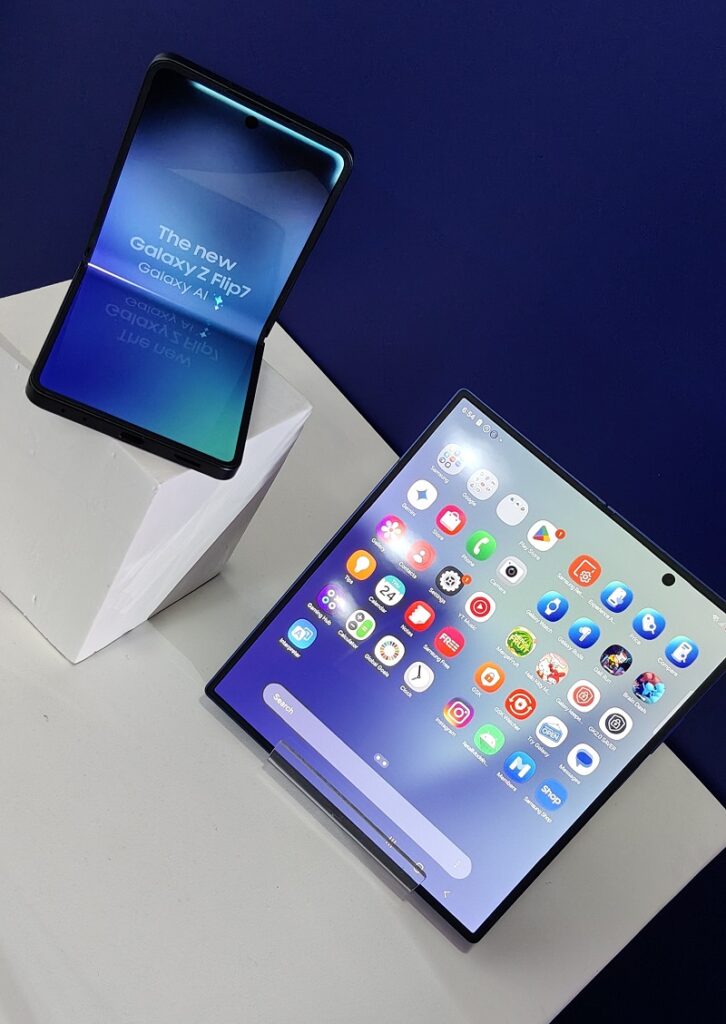
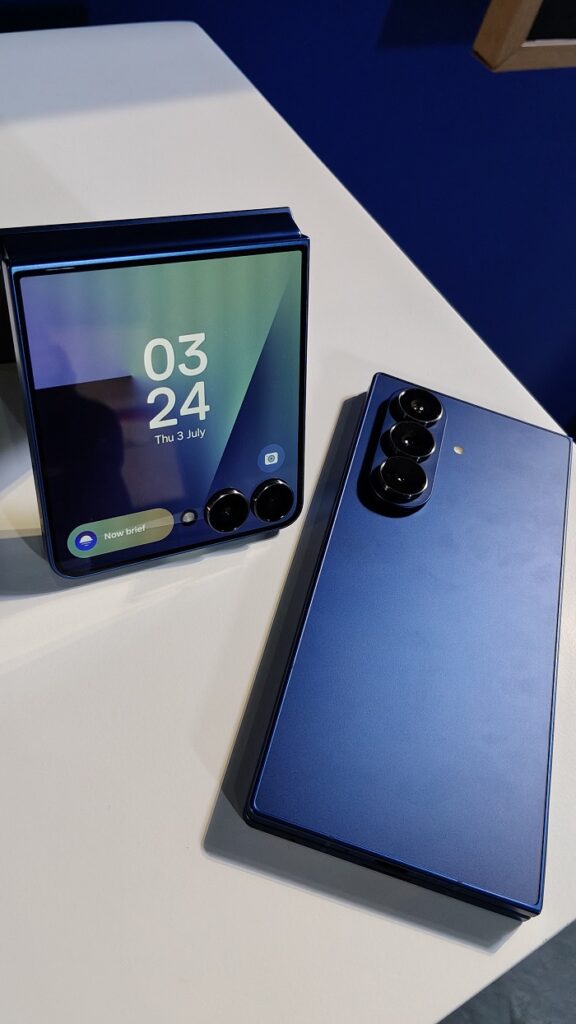
On the other hand, the Galaxy Z Flip7 introduces the largest Flex Window, at 4.1 inches, allowing users full access to apps, notifications, and widgets without unfolding the phone.
“With features like Gemini Live, Now Bar, and Now Brief, the Z Flip7 provides voice-responsive assistance — all without ever unfolding the device,” Guevarra emphasized.
To make foldable technology more accessible, Samsung has launched the Galaxy Z Flip7 FE, offering the benefits of foldable innovation at a more affordable price point.
“We aim to extend the foldable experience to a broader audience,” said Guevarra.
He elaborated on the integration of AI within these devices, stating that it goes beyond being a standalone feature.
“We view the integration of Galaxy AI as a comprehensive intelligence layer that enhances user interaction. For instance, Photo Assist empowers users with powerful editing capabilities, while Gemini Live offers quick suggestions based on what’s on their screen and their surroundings.”
Guevarra also touched on the natural evolution in Samsung’s technology journey — its progression from “smart” technology to “ambient intelligence.”
“This transition marks a fundamental change in how users interact with their devices,” he explained.
For example, the Galaxy Watch8 learns about users’ sleep patterns and suggests optimal workout times, making technology more proactive in everyday life.
Looking ahead, Guevarra shared Samsung’s vision for creating a cohesive “ambient intelligence” experience across its product ecosystem.
The Galaxy Watch8, equipped with advanced health features, continuously gathers data to provide comprehensive insights into users’ physical states, which are then shared across devices for a seamless experience.
“AI is the new UI. This vision is powered by the seamless integration of advanced AI and hardware, creating experiences that are intuitive, personalized, and secure,” he noted.
“What truly sets Samsung apart is our unwavering commitment to privacy and security in this AI-driven future. Ambient intelligence only works if users trust it. That is why on-device AI processing is a cornerstone of our philosophy. Your personal data and insights stay on your device — not in the cloud.”
With these advancements, Samsung aims not only to enhance the user experience but also to shape the future of mobile technology.
“Galaxy AI is no longer just a feature; it’s the foundation of our ecosystem,” Guevarra concluded.
Sponsored Post


