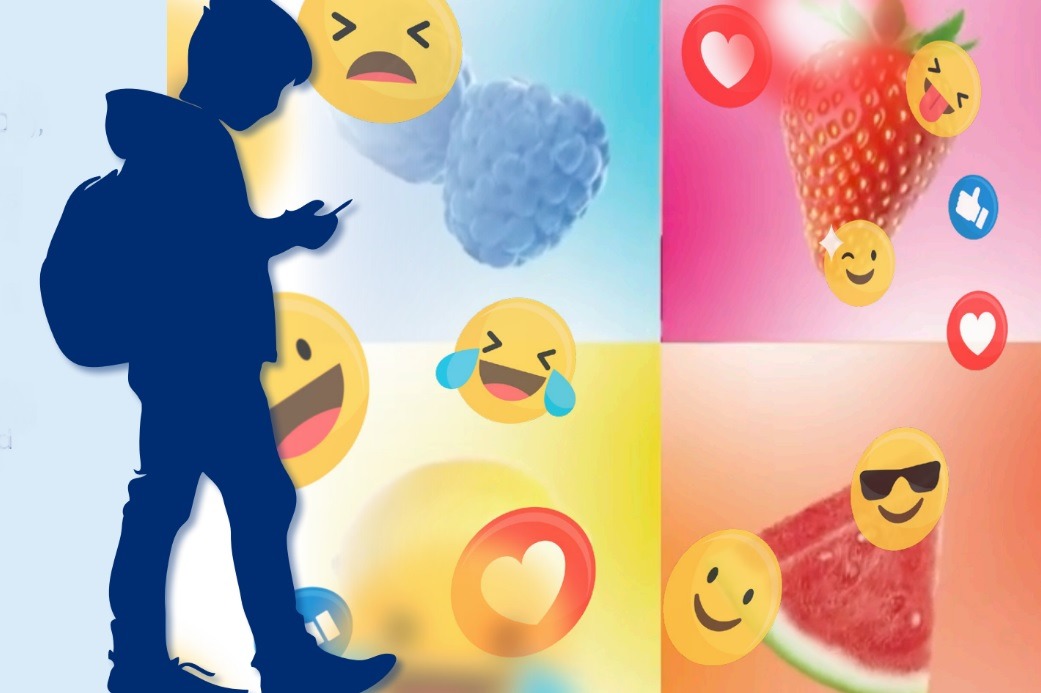
Online marketing for e-cigarettes and heated tobacco products (HTPs) in the Philippines continues to mirror strategies known to attract teenagers, according to new research released by the Johns Hopkins Bloomberg School of Public Health’s Institute for Global Tobacco Control (IGTC).
The findings echo recent concerns from the Department of Health (DOH) that current regulations remain inadequate to protect minors from vape promotions.
The report is among the first to examine how companies marketed vapes following the implementation of Republic Act 11900, or the Vape Law, which took effect in 2022.
The law lowered the purchase age for vapes from 21 to 18 and allowed previously banned flavors, while stating that flavors and advertising that “particularly appeal to minors” are prohibited.
Researchers said current restrictions have failed to curb promotions that still appeal to young people.
“These findings underscore why flavors and digital marketing remain two top concerns that the current Vape Law falls short of addressing,” said PLCPD Young Leaders Program for Tobacco Control member JL Estrella Pablico.
“As long as taste-tempting vapes remain legal, kids and teenagers have a target on their backs, their Web browsers, and their social media feeds.”
In the first IGTC study, researchers analyzed 15 official brand websites accessible to Philippine users. All sites contained:
- Product names with flavor descriptors,
- Promotional tactics such as discounts and free items,
- Health claims suggesting quitting benefits or reduced harm,
- Marketing imagery emphasizing taste, aroma, sensation, and even femininity.
“There is agreement among virtually all parties that products containing tobacco or tobacco derivatives should not be sold to or consumed by children or teenagers,” said IGTC assistant scientist Tuo-Yen Tseng, who led the study. “And yet, we are still seeing many tobacco and nicotine products sold and advertised in ways and places that are accessible and attractive to youth.”
A second study examined 5,501 social media posts from vape and HTP brands across Facebook, TikTok, YouTube, and Instagram. A random sample showed:
- Emojis in 70% of posts,
- Animated characters or cartoons in almost 20%,
- More than 50% without health warnings,
- Over one-third with no age restrictions.
“It prompts questions about the intended audiences of these brands’ campaigns as well as the challenge of monitoring and enforcement on the internet and social media,” said IGTC researcher Jenny Brown, who led the social media analysis.
She urged stronger restrictions on digital promotions as a “comprehensive national advertising and display ban.”
Advocates say the findings provide evidence to adopt stricter regulations, including a ban on flavored products and expanded oversight of online marketing.
“To safeguard Filipino youth from tobacco and nicotine harm, we must address the ways in which these devices, liquids, inserts, and accessories appeal to them, and enticing flavors are a key component of the vaping experience,” said Parents Against Vape project leader Judy Delos Reyes.
She added that policymakers should consider prohibiting vape brands from maintaining online accounts and penalizing entities that post vape content on social media.