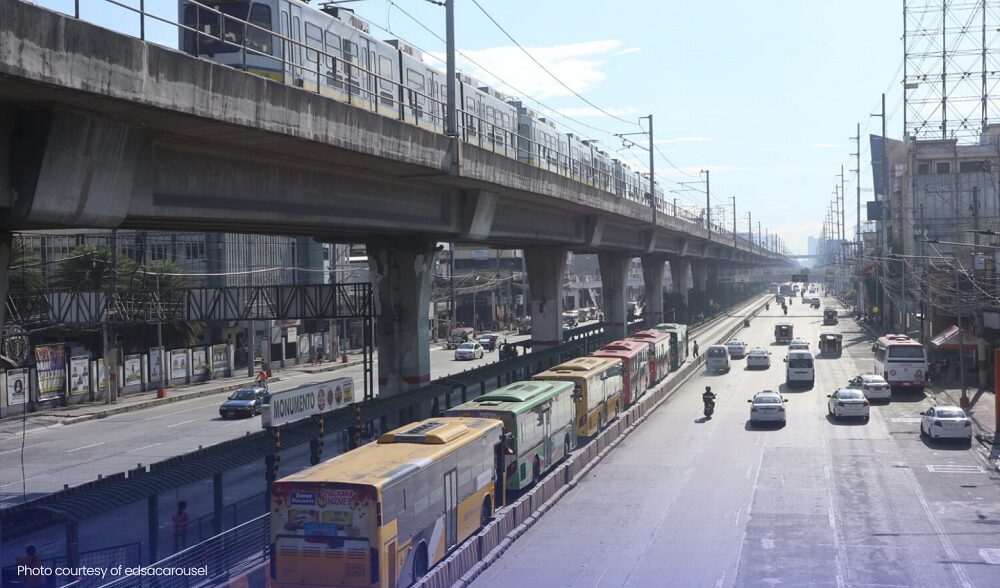
The Department of Information and Communications Technology (DICT) expanded on Jan. 15 its Free Wi-Fi for All program to 17 stations along the Edsa Busway, marking the latest phase of a broader digital modernization drive that began with Metro Rail Transit (MRT) stations last year.
The launch was held at the Edsa Busway Quezon Avenue Station in partnership with the Department of Transportation (DOTr).
DICT said the initiative is intended to complement physical transport upgrades by providing free Internet access of between 40 and 60 Mbps per station, which commuters can use for basic browsing, messaging, and cashless transactions.
While the expansion to busway stations signals momentum, the initiative comes with historical baggage. The DICT’s current effort echoes earlier attempts to provide public Wi-Fi on Metro Manila’s rail systems — most notably the MRT-3 — many of which failed to last beyond pilot phases.
In April 2025, the DICT publicly acknowledged that its MRT-3 rollout was effectively a second attempt. A similar project launched in 2017, which offered limited free Wi-Fi access, was quietly discontinued after struggling with congestion, low bandwidth, and operational challenges.
During an inspection last year, Aguda, alongside DOTr secretary Vince Dizon and MRT-3 general manager Mike Capati, committed to improving connectivity across all MRT-3 stations, with long-term plans to extend Internet access inside train cars.
The DICT maintains that this time, the rollout is backed by closer coordination with telecommunications providers, upgraded fiber infrastructure, and higher bandwidth allocations.
However, the agency has yet to disclose long-term funding mechanisms, service-level guarantees, or performance metrics that would ensure the system does not degrade over time.
Transport analysts note that while Wi-Fi access can improve commuter experience, it does little to address more persistent issues such as overcrowding, service reliability, and travel time — especially along high-density corridors like the Edsa Busway.
There are also questions about maintenance responsibility once stations are rehabilitated, particularly given the track record of past digital infrastructure projects that stalled after initial launches.
The DICT and DOTr said that the Wi-Fi rollout is part of a broader digital transformation agenda that includes contactless fare payments and smarter transport systems across Department of Transportation-managed rail and bus networks.