As artificial intelligence and digital platforms reshape how Filipinos work and learn, conversations around productivity, ambition, and mental health are moving into sharper focus.
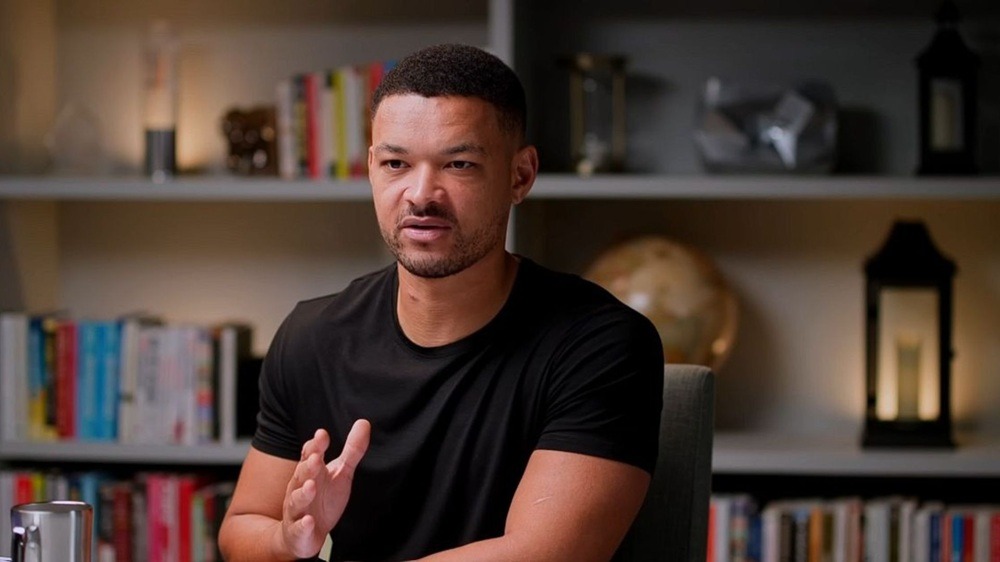
British entrepreneur and podcaster Steven Bartlett, host of the Diary of a CEO, has emerged as one of the voices driving global discussions on leadership, wellbeing, and sustainable success — topics that increasingly resonate with Filipinos balancing side hustles, remote work, and rapid technological change.
In the Philippines, a young and highly connected population is navigating a work culture shaped by constant connectivity.
Freelancers manage clients across time zones, content creators contend with algorithm-driven platforms, and students operate in an always-online academic environment.
While AI tools promise efficiency, they have also heightened concerns about burnout, job displacement, and long-term work-life balance.
These pressures mirror themes explored in long-form podcasts such as Diary of a CEO, which features conversations on ambition, mental health, and purpose-driven work.
Episodes featuring global figures — including leadership experts like Simon Sinek — have examined how individuals and organizations can maintain focus and meaning in high-pressure, technology-driven environments.
Locally, the growing attention to these issues coincides with government efforts to prepare the workforce for an AI-enabled economy.
The Department of Information and Communications Technology, together with the Technical Education and Skills Development Authority and the IT & Business Process Association of the Philippines, recently launched Project UNLAD (Uplifting National Labor through AI & Digital Skilling).
The initiative aims to equip Filipinos with digital and AI-related skills needed in the IT-BPM sector, while emphasizing adaptability in a rapidly changing work environment.
Mental health advocates have noted a growing willingness among young professionals to discuss stress, anxiety, and exhaustion as AI adoption accelerates and traditional career paths shift.
At the same time, digital upskilling programs highlight a broader reassessment of what productivity means in a hyper-connected era.
Rather than measuring progress purely by output, the conversation is gradually expanding to include focus, wellbeing, and sustainability.
For many Filipinos, the challenge is no longer access to technology, but learning how to engage with it without sacrificing long-term health and purpose.