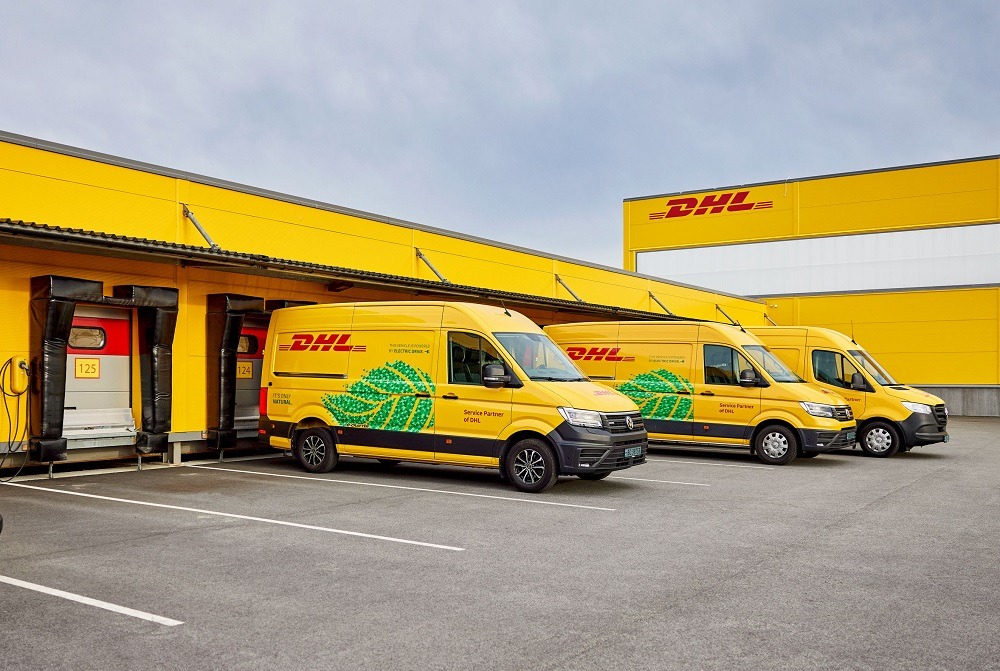
DHL Express Philippines has added eight electric vehicles (EVs) to its delivery fleet, with two more units scheduled for deployment within the first quarter of 2026, as part of its ongoing shift toward lower-emission logistics operations.
The additional vehicles will be deployed across key urban service areas, including Pasig, Makati, Bonifacio Global City, Muntinlupa, Manila, Pasay, Parañaque, and Cebu, where delivery volumes are highest and routes are suited for electric mobility.
With the latest rollout, electric vehicles now make up 41% of the company’s delivery fleet in the Philippines, marking a milestone in its broader electrification roadmap tied to parent firm DHL Group’s goal of achieving net-zero greenhouse gas emissions by 2050.
The company said the EVs are designed for last-mile delivery work in dense urban environments, offering about 5.1 cubic meters of cargo space and powered by lithium iron phosphate batteries that can be fully charged in roughly five hours using DC fast charging.
In addition to eliminating tailpipe emissions on assigned routes, the vehicles are expected to reduce fuel use, lower maintenance requirements, and operate more quietly than conventional delivery vans.
The new units are also equipped with telematics systems that allow the company to track battery performance, energy consumption, vehicle location, and route efficiency in real time to optimize operations and maintenance planning.
“Logistics that works for people and the planet is the standard we hold ourselves to,” said Nigel Lockett, managing director of DHL Express Philippines.
“By expanding our electric vehicle fleet in the country’s most active delivery zones, we are supporting the reduction of emissions from lastmile operations in areas where our couriers, customers, and communities interact every day.”
DHL said the fleet transition is being implemented gradually through annual evaluations of delivery demand, infrastructure readiness, and operational performance to identify where electric vehicles can be deployed most effectively.