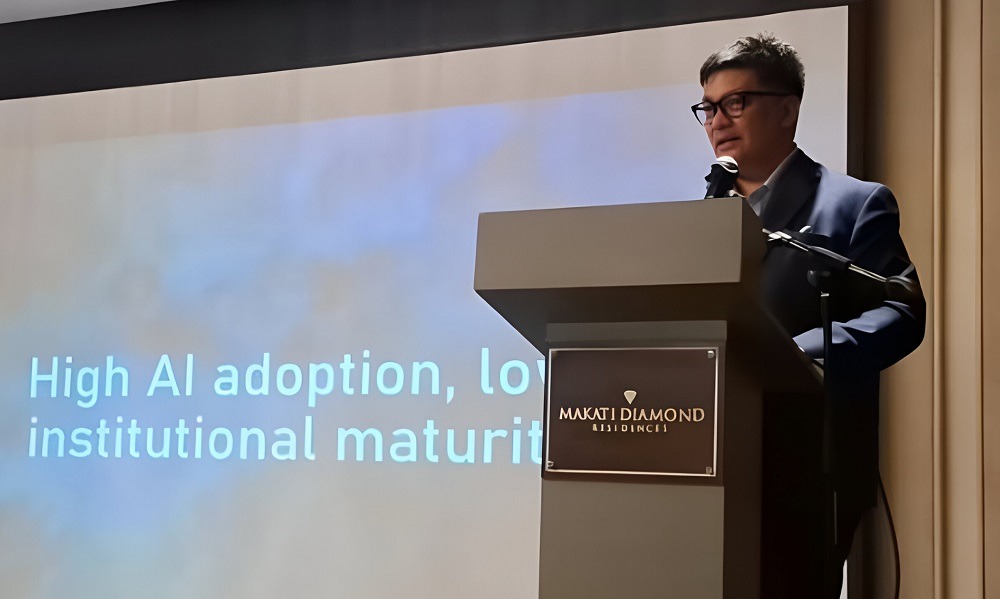
Government officials, industry leaders, and academic stakeholders are calling for the Philippines to move beyond simply using artificial intelligence technologies and instead develop its own AI capabilities, warning that failure to do so could deepen the country’s digital and economic vulnerabilities.
The recommendation emerged from a high-level policy forum held on Feb. 2, whose outcomes were released by CirroLytix and Data and AI Ethics PH with support from the Konrad Adenauer Stiftung.
The gathering brought together representatives from Congress, education agencies, human-rights bodies, and AI industry organizations to align on a national roadmap for AI development.
Participants agreed that the Philippines must urgently transition from being a passive consumer of foreign technologies into what they described as a “sovereign builder” of its own AI systems to avoid widening the digital divide.
“We are fast adopters but slow builders,” said CirroLytix founder Dominic Ligot, who warned that without stronger domestic capability, unregulated or “shadow AI” deployments could expose citizens to risks.
The roadmap characterized the country as a “high-usage, low-readiness” environment. While 86% of Filipino knowledge workers already use AI — higher than global averages — the institutional support needed to scale innovation remains lacking.
CirroLytix CEO Frances Claire Tayco said many locally developed innovations fail to move beyond pilot stages, limiting their broader societal impact.
“A lot of the research that comes from the universities… ends up in pilot graveyards,” she noted, stressing the need for structures that allow promising initiatives to scale.
During the discussions, policymakers emphasized that the country should avoid simply copying foreign regulatory models such as the European Union’s AI Act and instead craft approaches tailored to local needs, including using AI to improve delivery of public services and digital governance.
Industry groups also offered to help government test regulatory approaches through real-world deployments, positioning their organizations as potential “regulatory sandboxes” where governance frameworks can be validated before being formalized.
Education reforms were likewise identified as critical, with the Department of Education aligning the initiative with its Project AGAP.AI and targeting the rollout of an AI-ready curriculum by the first quarter of 2026.
The roadmap outlines a four-pillar strategy focused on education, engineering, enforcement, and ethics. Organizers said the approach goes beyond classroom instruction to include workforce upskilling, infrastructure development, adaptive regulation, and safeguards that ensure AI adoption translates into jobs, investments, and citizen protections.
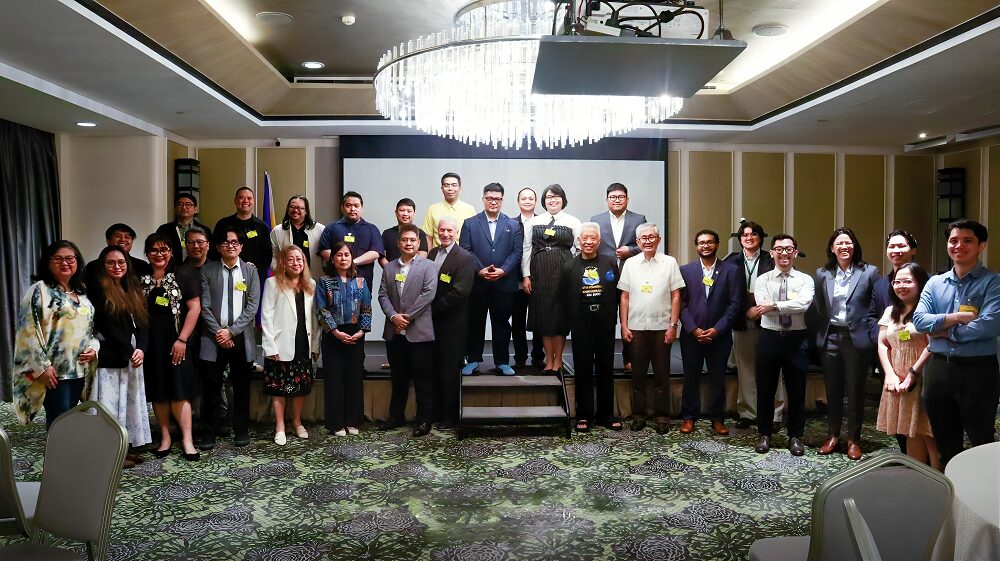
The forum drew participation from agencies such as the Department of Economy, Planning, and Development, Commission on Higher Education, Commission on Human Rights, and Legal Education Board, along with universities, research groups, and civil-society organizations.
International observers from the United Nations also took part, underscoring warnings that AI could widen inequalities among nations without deliberate national strategies.
Organizers said the validated roadmap will be submitted to agencies leading the National AI Strategy and to relevant congressional committees to help shape future legislation and executive policies.