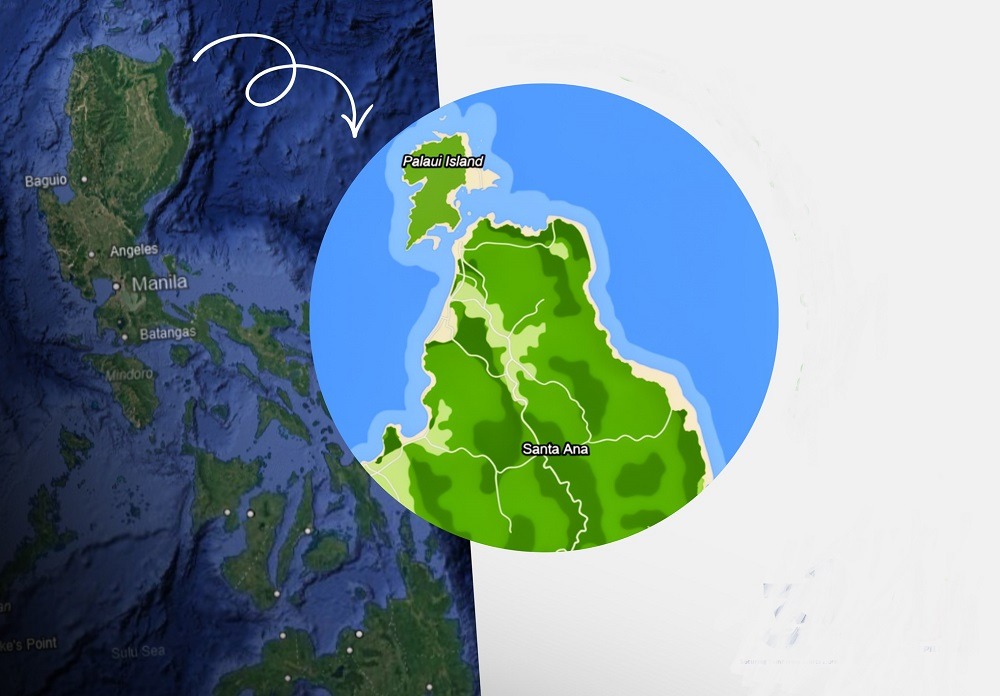
Northern Luzon, particularly the province of Cagayan, is being explored as a potential rocket launch site as the Philippines moves to develop capabilities in the space sector through partnerships with international aerospace firms.
The initiative is part of a cooperation program involving the Philippine Space Agency (PhilSA), the Department of Information and Communications Technology (DICT), the Cagayan Economic Zone Authority (CEZA), and private sector partner Ascend International Gateway, working with South Korea’s Perigee Aerospace.
The collaboration covers education and training programs as well as cooperation in the assembly, testing, and experimental launch of a sounding rocket — an early step toward building local expertise in launch vehicle technology and potentially establishing a space launch facility in the country.
The involvement of CEZA points to Cagayan in northern Luzon as a possible site for future rocket testing and launch operations.
Industry planners have long identified the region as a viable location because of its geographic advantages. Rockets launched eastward from northern Luzon would travel over the Pacific Ocean, minimizing risks to populated areas and meeting safety requirements commonly associated with rocket launches.
Cagayan’s coastal areas within the CEZA jurisdiction have also been positioned as potential aerospace investment zones, making them suitable for infrastructure such as launch pads, testing facilities, and related support services.
If developed, the site could support launches of small rockets carrying microsatellites into low-Earth orbit, a fast-growing segment of the global space industry.
The effort builds on earlier cooperation between PhilSA and Perigee Aerospace, a South Korean space mobility company developing small launch vehicles designed for the rapidly expanding small-satellite market.
In 2022, the two sides signed a memorandum of understanding to explore rocket launches and possible spaceport development in the Philippines.
Perigee Aerospace is developing small orbital launch vehicles capable of delivering payloads such as microsatellites into space.
Part of the cooperation focuses on training Filipino engineers in rocket technology.
In late 2025, selected engineers from PhilSA participated in a technology transfer program on small launch vehicles conducted with Perigee Aerospace. The program included technical workshops in the Philippines followed by several weeks of hands-on sounding rocket training in South Korea.
The training involved the use of Perigee’s experimental Blue Whale 0.1 sounding rocket platform, providing Filipino engineers exposure to rocket subsystem assembly, testing, and launch vehicle design.
Sounding rockets — which conduct suborbital flights used for atmospheric research and technology testing — are often used by emerging space nations as an initial step toward developing full launch capabilities.
No timeline has been announced for a rocket launch in the Philippines, but the cooperation is viewed as a foundational step toward developing the country’s space launch ecosystem.
The Philippines established PhilSA in 2019 under the Philippine Space Act to lead national space development and strengthen the country’s capabilities in satellite technology, space science, and related industries.
If the project progresses, Cagayan could eventually host the country’s first experimental rocket launches and potentially evolve into a regional hub for small-satellite launch services.