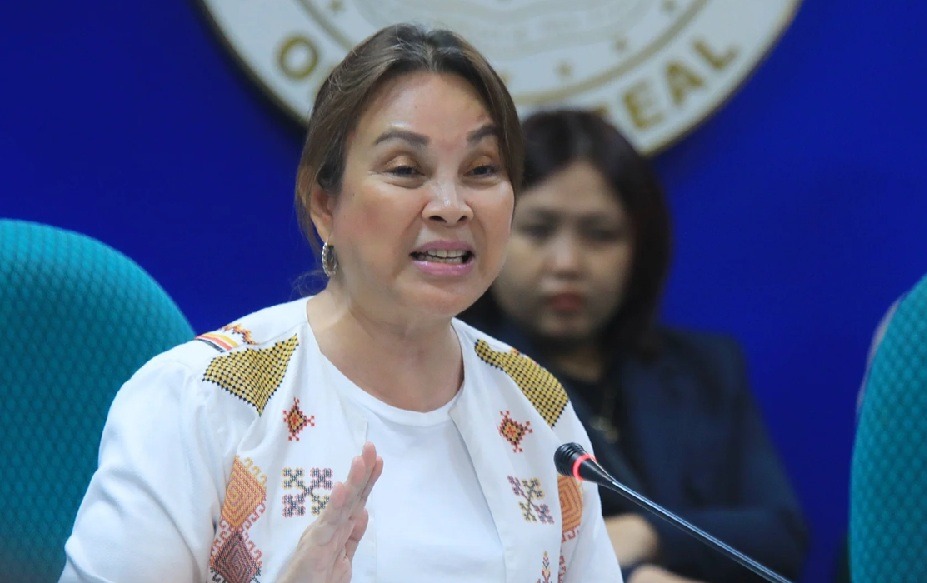
Sen. Loren Legarda has filed a measure seeking to impose a minimum age requirement of 16 for users of certain social media platforms, citing growing concerns over children’s exposure to cyberbullying, misinformation, harmful content, and compulsive online behavior.
Under Senate Bill No. 1955, or the proposed “Children’s Safety in Social Media Act,” operators of age-restricted social media platforms would be required to prevent underage users from creating and maintaining accounts.
The proposal mirrors moves in other countries such as Australia, which passed legislation in 2024 banning children under 16 from accessing major social media platforms as governments worldwide grapple with the impact of online platforms on minors.
“Social media has transformed how Filipinos learn, communicate, and participate in public life. It can inform and inspire, but it can also mislead, overwhelm, and harm,” Legarda said.
The bill places the responsibility for enforcing age restrictions on platform providers, instead of parents, schools, or children themselves. It requires companies to adopt “reasonable, proportionate, and privacy-preserving” measures to block users below the minimum age threshold.
“Our children deserve that same protection now, in spaces where algorithms shape what they see, what they believe, and how they behave,” the senator said.
The measure also includes provisions aimed at safeguarding freedom of expression, stressing that any regulation should remain “lawful, necessary, and proportionate.”
“While freedom of expression remains a cornerstone of our democratic life, it must be exercised within the bounds of law and with due regard for the rights of others,” Legarda said.
To address privacy concerns, the proposal requires compliance with the Data Privacy Act of 2012 and bars platforms from requiring government-issued identification as the sole method for age verification. The bill also mandates data minimization in age assurance processes.
“Protecting children online requires enforceable duties for platforms and a framework that remains consistent with constitutional freedoms,” Legarda said.
The proposed legislation also calls for digital citizenship and media literacy programs in schools, parental guidance tools on platforms, and the creation of an inter-agency council led by the Department of Information and Communications Technology.
The council would include the National Privacy Commission, National Telecommunications Commission, Department of Education, Department of Social Welfare and Development, and Department of Justice.
“It takes a village to raise a child, and it likewise takes a whole-of-society framework to protect children in digital spaces shaped by rapidly evolving technologies,” Legarda said.
The bill is currently pending before the Senate Committee on Public Information and Mass Media, with secondary referrals to the Committees on Science and Technology and Finance.