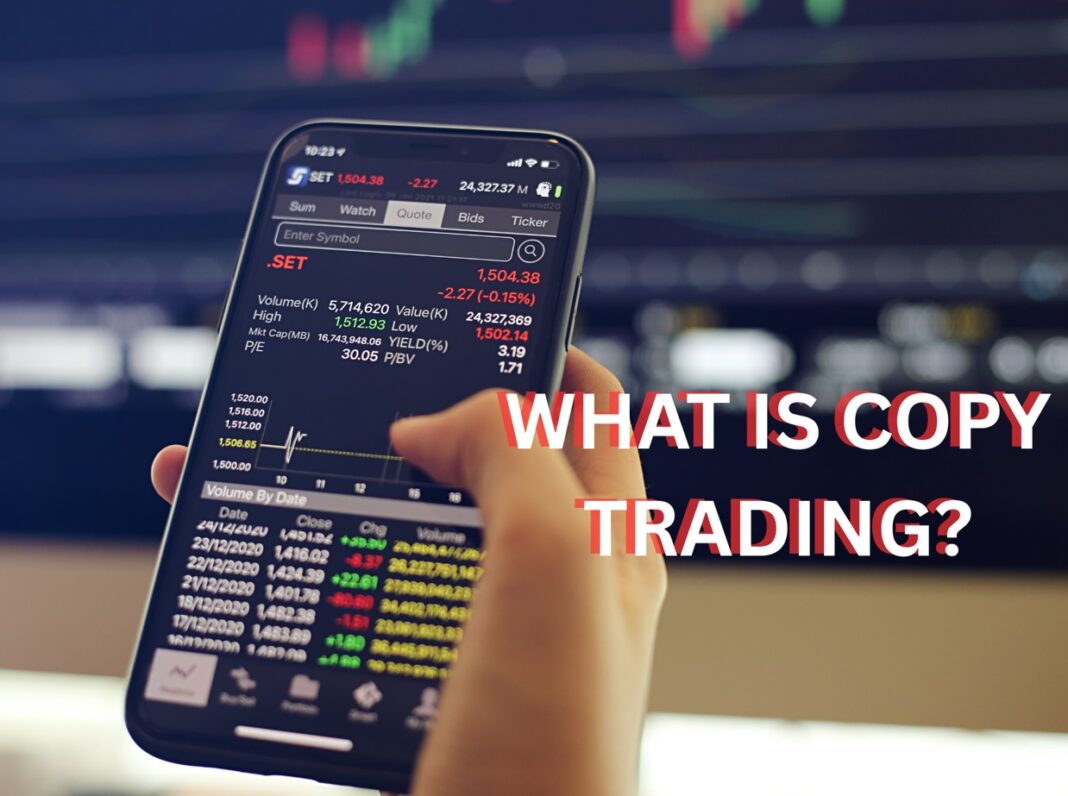
Copy trading is a simple way to follow other traders and mirror their moves automatically. Instead of learning every chart or indicator, you can pick a trader you trust and let the platform copy their buys and sells into your account. It feels a bit like having a trading mentor who acts for you. It’s fast and social.
How Copy Trading Works
First, a platform connects people who trade well with people who want to copy them. You open an account, browse trader profiles, and pick someone whose style fits your goals. You choose how much money to allocate and activate the “copy” button.
From that moment, the platform matches the leader’s trades to your account in real time, often scaled by the amount you invested. Some platforms let you copy open trades, set risk limits, or choose which markets to follow.
Pick the Right Trader
Look for clear, long-term records, not just a few big wins. Good profiles show a trader’s history, their typical risk level, how often they trade, and worst drawdowns. Use filters and leaderboards to compare performance and behaviour.
Many platforms also let you test-copy with small amounts or demo accounts so you can watch how a trader performs without big risk.
Which Platforms Offer Copy Trading
Brokerages with copy trading capabilities, signal selling services, and social trading marketplaces are the different categories of platforms that enable copy trading. Some may be simplistic, while others may be more complex and sophisticated.
Platforms range from user-friendly interfaces with social trading and copy trading features to more sophisticated trading platforms like MetaTrader. Some of the more preferred social trading platforms are those that offer trader rankings and analytics, and customizable copy trading settings.
Risks and Rules to Know
Even though copy trading may be effortless, that does not mean it comes without risks. There are a plethora of risks involved, such as technical failures, and the reliance on a sole trader to make market moves and/or execute trades.
Social copy trading has operational and conduct risk implications that may result in increased regulatory scrutiny. Confirm the platform’s regulations in your country and its regulations as it pertains to social copy trading.
How to Protect Your Money
Like true risk management, a copy trader’s best practice would be to diversify their allocated funds among various trades, set stop losses, and only invest what they can stand to fully lose. If you see copy trading promises that guarantee returns, those are almost guaranteed to be scams.
Regularly review your copy portfolio and be ready to stop copying someone if their style or results change. Good risk practices include diversification, strict loss limits, and ongoing reviews.
Quick Tips to Get Started
Start small. Test with a demo or a tiny live amount. Read trader bios and filters carefully. Use platforms that show full performance history and let you set custom risk controls.
Check fees, minimums and how fast trades are copied. Think long term, and treat copy trading as one tool in your investing toolbox, no magic.
Conclusion
Copy trading makes markets accessible and can speed up learning. When used carefully, with checks, diversification and good risk rules, it can be a smart way to join the market.
But remember: simple doesn’t mean safe. Stay curious, keep learning, and protect your money.