
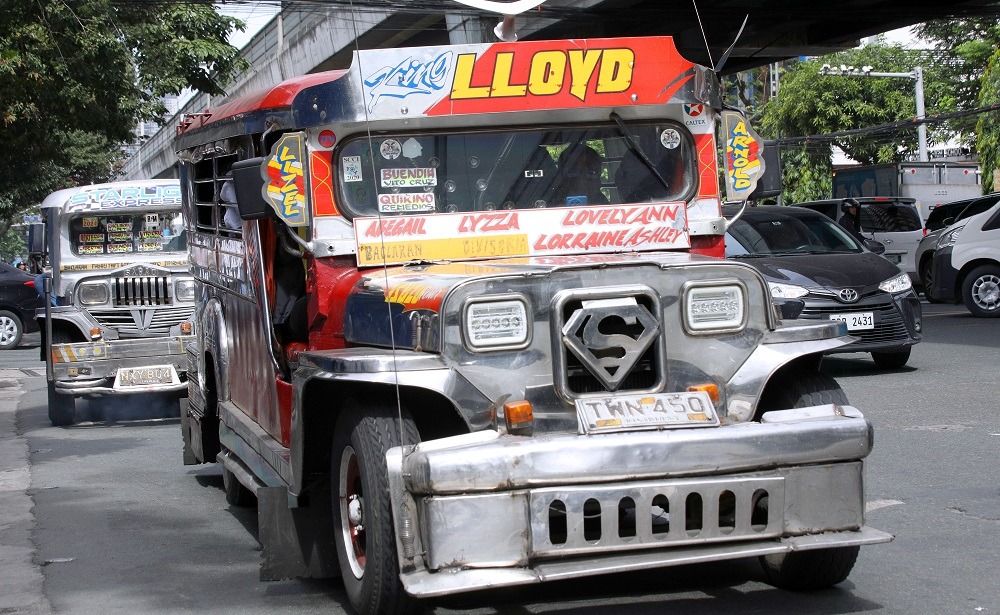
Sen. Joel Villanueva on Tuesday, April 14, called on the Department of Transportation (DOTr) to suspend its planned mandatory GPS requirement for public utility vehicle (PUV) drivers, describing the policy as “illogical” ahead of its rollout on April 15.
Speaking during a Senate hearing on the government’s response to rising oil prices, Villanueva questioned why drivers would need to rent separate GPS devices when similar tracking functions are already available on mobile phones.
“I can’t see the logic of renting GPS. Ano bang magagawa ng GPS na hindi magagawa ng cellphone natin ngayon?” he said.
“They can just turn on the location services and we would know where they are. Why do we need a separate GPS gadget? Who’s the supplier of these?” he added.
The DOTr earlier proposed requiring GPS devices to monitor the real-time location of PUVs, which would be used as a basis for payouts under the government’s service contracting program.
Participating vehicles are set to receive between P30 and P100 per kilometer, with a cap of 100 kilometers per day. However, drivers would have to rent GPS units costing about P500 per month each.
Villanueva warned that the added expense could further strain drivers already grappling with high fuel and commodity prices. He estimated that with around 36,000 jeepney drivers and 1,000 bus drivers covered by the program, total rental costs could reach P18.5 million monthly.
“This is a significant amount that will come out of the pockets of our jeepney drivers, who barely earn for their family’s food,” he said.
While reiterating support for efforts to improve public transport, the senator urged the DOTr to reconsider making GPS installation mandatory.
“We have always supported our DOTr family and the goal of improving public transportation. However, in this particular case, we are not supportive of making GPS installation a strict requirement rather than an option,” he said.
“We hope the DOTr can revisit this requirement and explore more reasonable and logical alternatives before full implementation. The goal here is to ensure that government efforts ease the plight of both commuters and drivers without imposing unnecessary costs,” he added.


