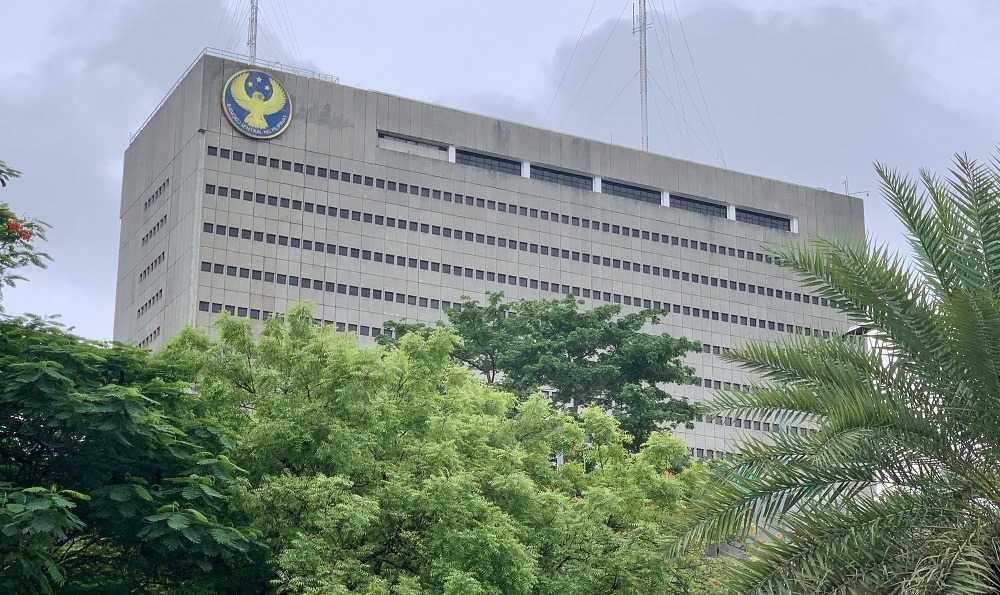
The Bangko Sentral ng Pilipinas (BSP) has defended its push for banks to reduce or eliminate electronic fund transfer fees, saying lower charges could encourage more Filipinos to use digital payments but would not, by themselves, ensure financial inclusion.
The BSP issued the statement on Thursday, Aug. 14, following criticism of its recent order urging banks to cut or remove transfer fees. Critics have raised concerns about the policy’s possible effects on banks and payment service providers.
“True digital financial inclusion means ensuring that financial services are accessible, affordable, understandable, and useful for all Filipinos,” the BSP said.
The central bank said surveys identified cost as one of the main barriers cited by Filipinos who do not use digital payments, while studies have found that lower transaction fees can encourage wider adoption.
Digital payments serve as an entry point into the formal financial system because they can introduce consumers to other services, including savings, credit, investments, and insurance, the BSP said.
However, the central bank acknowledged that transfer fees are only one factor affecting adoption. Other barriers include account-opening requirements, maintaining balances, poor connectivity, limited access points, low financial and digital literacy, consumer distrust, security concerns, and difficult-to-use services.
To address affordability and account-access barriers, the BSP said it has promoted Basic Deposit Accounts, which require an opening amount of no more than P100 and carry no maintaining balance or dormancy charges.
The central bank also cited the country’s interoperable digital payments system and Paleng-QR Ph Plus, which encourages market vendors, tricycle drivers, and other community-based merchants to accept QR payments.
Through the BSP E-Learning Academy and other financial education programs, the central bank seeks to help consumers understand financial products, manage risks, and safely use digital services.
The BSP said stronger consumer protection, competition among financial service providers, and responsible innovation by banks, e-wallet operators, and fintech firms are also needed to improve trust, expand consumer choice, and make services more affordable.
But the central bank cautioned that increasing account ownership and digital transactions should not be treated as the final measure of financial inclusion.
“Access and usage are not ends in themselves. The broader goal is financial health,” the BSP said.
Financial services, it added, should help Filipinos manage daily expenses, save for future needs, obtain appropriate credit and insurance, withstand financial shocks, and build long-term financial security.
The BSP is the lead implementer of the National Strategy for Financial Inclusion, which coordinates government agencies and private-sector organizations in addressing barriers to formal financial services.