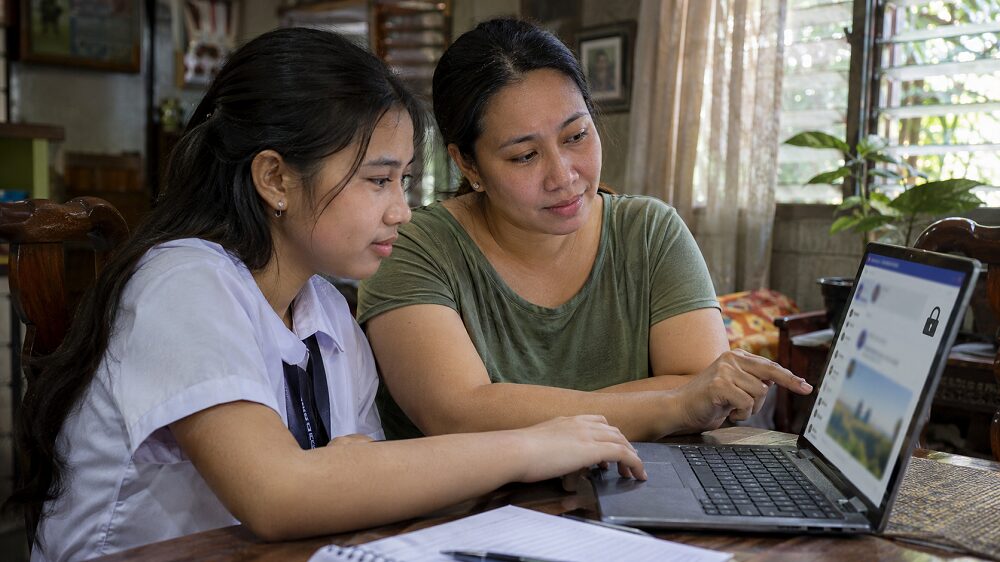
For a teenager who uses social media to coordinate schoolwork, follow the news, or share artwork, the proposed laws on children’s online safety currently pending in Congress could change more than the time spent scrolling.
Depending on the final version, the rules could require parental permission to use certain services or prevent access altogether until the user turns 18.
These differences are among the issues lawmakers must resolve as they reconcile two measures intended to protect children from online harm, according to Atty. Mark Gorriceta, managing partner of Gorriceta Africa Cauton & Saavedra law firm.
In a recent dialogue on children’s online safety and digital rights, Gorriceta outlined how the proposals could affect families, digital platforms, and young people’s access to the Internet.
The Senate passed the SMART Kids Act, or Senate Bill No. 2424, on third reading on Oct. 8, 2026. The House passed the SAFE Kids Act, or House Bill No. 11566, on third reading on Oct. 12.
A bicameral conference committee will reconcile the differences. The resulting measure must be ratified by both chambers before it is sent to the President for approval.
The Senate proposal would bar users below 18 from social media and other high-risk digital services. The House version would prohibit access for children below 13, while allowing those aged 13 to 17 to use covered services with parental consent and restrictions on certain features.
For Gorriceta, the discussion goes beyond deciding on a minimum age. It also involves determining which services should be covered, how platforms should protect children, and how age checks can work without collecting unnecessary personal information.
Under the proposals, platforms would have to implement effective age checks and suspend, restrict, disable, or remove accounts reasonably determined to be owned, operated, or used by children covered by the restrictions.
They would also have to remove harmful content and introduce safeguards addressing targeted advertising, behavioral profiling, contact with unknown adults, and features that encourage excessive use.
The Senate version would cover online games in relation to their social networking features. The House version would also assign responsibilities to app stores and operating system providers.
Foreign platforms would be required to appoint a local representative and comply with directives from Philippine regulators, according to Gorriceta.
For families, one concern is whether restrictions could also interrupt useful activities and relationships.
Certified educational platforms and digital news services are expected to be exempted, although Gorriceta said the final coverage would depend on the reconciled measure.
Those exemptions would not necessarily resolve questions about school groups, news reports, or creative activities hosted on general-purpose social media platforms.
A student may access a lesson through an educational website but rely on a social media group to discuss an assignment. A news organization may publish the same report on its website and its social media page.
Gorriceta recommended clear definitions so that families and providers can understand which services and activities fall within the restrictions. He also emphasized the need to preserve children’s support systems as lawmakers determine the scope of coverage.
Age verification presents another challenge.
Checking whether someone meets an age requirement can involve collecting personal information from children and adults alike. Gorriceta said these systems must comply with the Data Privacy Act and National Privacy Commission rules, including requirements to collect only data necessary for a legitimate purpose.
Questions include how much information is collected, who handles it, and how it is protected.
Enforcement would also have to account for children bypassing age checks, family members sharing devices, and regulators’ ability to monitor compliance.
The Senate proposal includes penalties for willful violations and gross negligence by parents that leads to a violation, according to the briefing.
This raises questions about how parental responsibility would be assessed in everyday household settings, particularly when several family members use the same device.
Gorriceta said the State’s duty to protect young people must be balanced with freedom of expression, access to information, and parents’ right to raise their children. Restrictions should go no further than necessary to achieve their purpose.
The briefing also pointed to the Philippines’ commitments under the United Nations Convention on the Rights of the Child. Children’s rights extend to digital spaces, covering protection from harm alongside information, expression, privacy, education, and play.
As lawmakers reconcile the bills, Gorriceta identified six priorities.
Safeguards should reflect the risks children face and their changing abilities as they grow older. Age checks should protect privacy, and the law should clearly define its coverage.
The measure should also safeguard fundamental rights, impose proportionate and workable duties on digital businesses, and give families, providers, and regulators enough time to adjust.
These recommendations place attention on both access restrictions and the way digital services operate.
For a child using the Internet, protection could mean fewer unwanted messages from adults, less exposure to harmful content, stronger privacy settings, and an accessible way to report abuse.
The task for lawmakers is to make those protections effective while preserving the opportunities children use to learn, communicate, and participate online.