An international research team led by Ateneo de Manila University has developed an artificial intelligence (AI) model that uses data from non-invasive skin sensors to assess how effectively the heart pumps blood.
The model predicts a patient’s cardiac index, a measure used by clinicians to evaluate heart function and guide treatment. It analyzes physiological indicators such as heart rate, stroke volume index, and cardiac output.
The researchers reported a classification accuracy of 97.78%, suggesting that the system could provide a less resource-intensive option for cardiovascular monitoring.
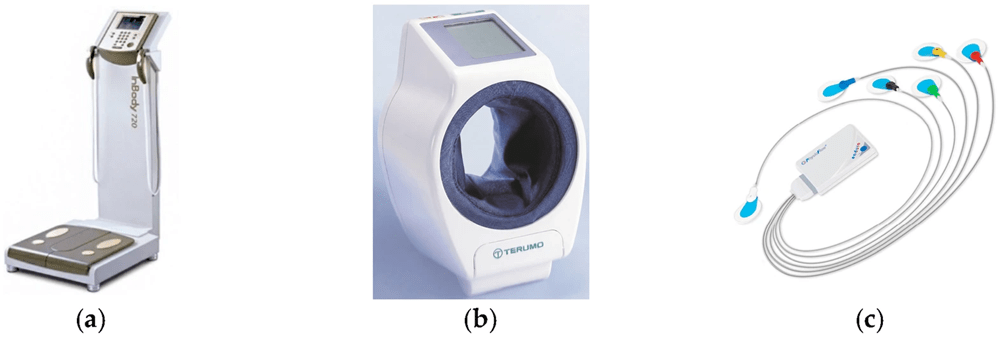
Conventional cardiac assessments may require specialized hemodynamic analyzers, trained healthcare professionals, and controlled clinical environments. Such resources are often concentrated in major hospitals, limiting access in areas with fewer medical facilities.
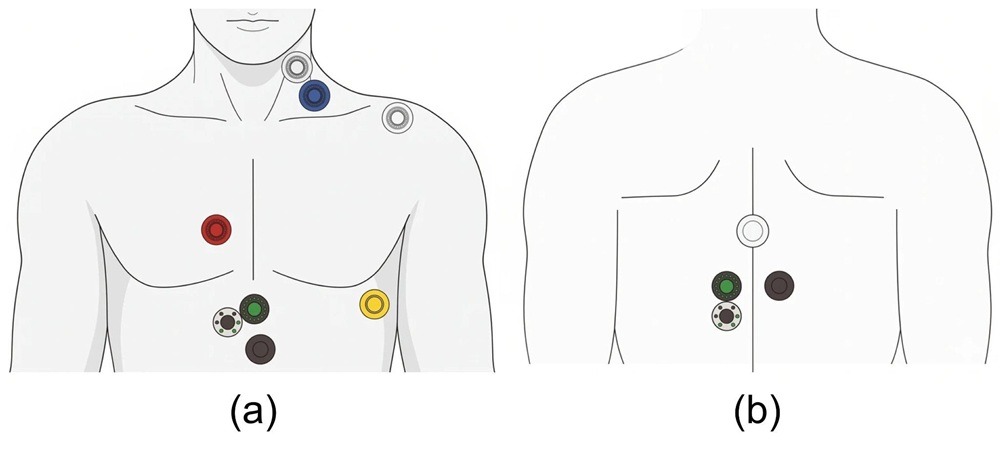
The AI model instead processes basic physiological data collected through sensor patches placed on a patient’s skin. Its developers said the approach could eventually make detailed heart monitoring more practical in healthcare facilities without advanced diagnostic equipment or specialized expertise.
The team was led by Patricia Angela R. Abu of the Ateneo Department of Information Systems and Computer Science.
The research comes amid concern over the growing prevalence of cardiovascular risk factors — including obesity, hypertension, high cholesterol, and diabetes — among younger populations.
The researchers plan to test the model on more diverse populations and determine whether it can retain its performance while using fewer physiological measurements.