The Philippine gambling industry is facing weaker revenues, technological disruption, and tighter regulatory scrutiny after years of rapid expansion, industry officials said at the Inside Asian Gaming Academy Summit.
Figures presented during the summit showed that Philippine gross gambling revenue fell 20% in the second quarter to P88 billion, or about $1.4 billion. The decline was attributed largely to weaker electronic gambling revenues, inflationary pressures, and geopolitical tensions.
Despite the slowdown, speakers said the country retains several advantages, including an established gambling ecosystem, integrated resorts, a skilled workforce, a relatively young population, and a strategic location within Asia.
Land-based casinos also remain a major part of the market even as electronic and online gambling platforms continue to expand.
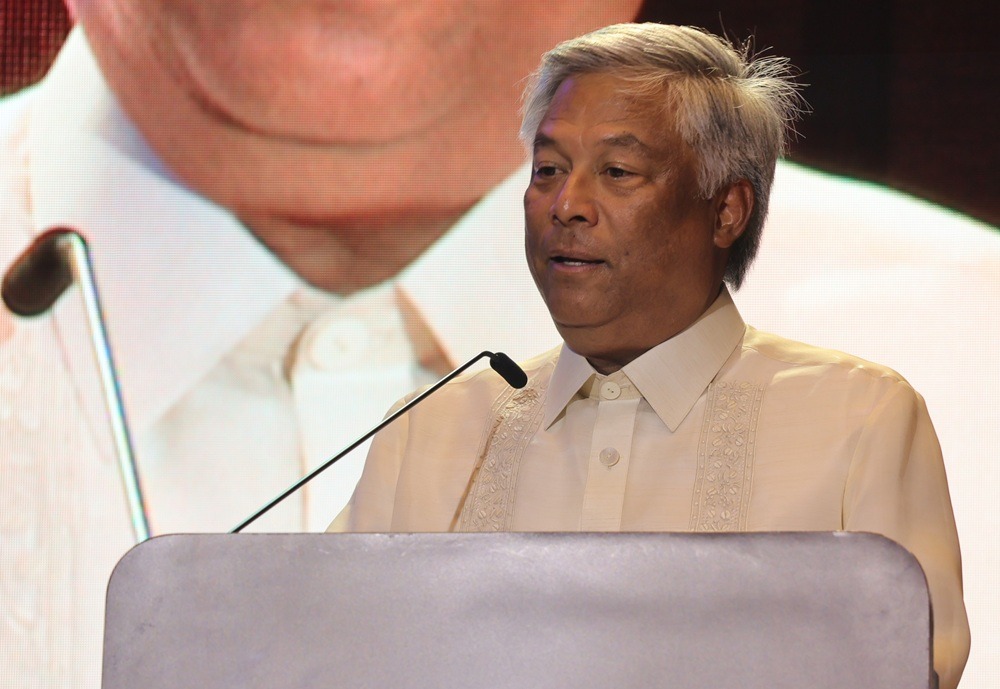
Philippine Amusement and Gaming Corp. chairman Alejandro Tengco said advances in technology and digital connectivity have created new opportunities for the industry but have also brought regulatory and operational challenges.
He said PAGCOR must continue adapting its regulatory environment to provide stability for operators and investors as the market evolves.
Among the reforms under consideration is the separation of PAGCOR’s regulatory and commercial functions. The proposal is intended to address concerns arising from the agency’s dual role as a casino operator and industry regulator.
PAGCOR has also introduced measures governing electronic gambling, including a minimum guaranteed fee and a Unified Gaming License.
The regulator recently launched the PAGCOR Guarantee website, which allows the public to verify whether an online gambling platform is licensed. A mobile application offering a similar verification service is also being developed.
The measures are intended to counter illegal online gambling platforms, which compete with licensed operators and expose players to increased risks because they operate outside regulatory safeguards.
PAGCOR also cited its National Problem Gambling Helpline and expanded self-exclusion program. Information presented at the summit showed that the program now covers more than 26,000 verified former players.
Tengco said responsible gambling and player protection would require cooperation between regulators and industry stakeholders as new gambling platforms and technologies gain wider adoption.
He called for continued collaboration among regulators, operators, technology providers, and other stakeholders to build what he described as a “more innovative, competitive, responsible, and sustainable gambling industry” in the Philippines.
PAGCOR said its rules would need to keep pace with these changes while balancing industry growth with player protection and responsible gambling.