A planned undersea power cable between Sabah and Mindanao could give the Philippines another source of electricity as data centers, cloud services, and artificial intelligence (AI) workloads increase demand for reliable power.
Pres. Ferdinand Marcos Jr. announced the proposed link at a Nov. 17 press briefing after the 49th Asean Summit and Related Summits, describing it as the bloc’s first undersea cable for electricity sharing.
“I am happy to report that the first undersea cable for sharing of energy is going to be laid between Malaysia, Sabah in particular, and Philippines, in Mindanao,” Marcos said.
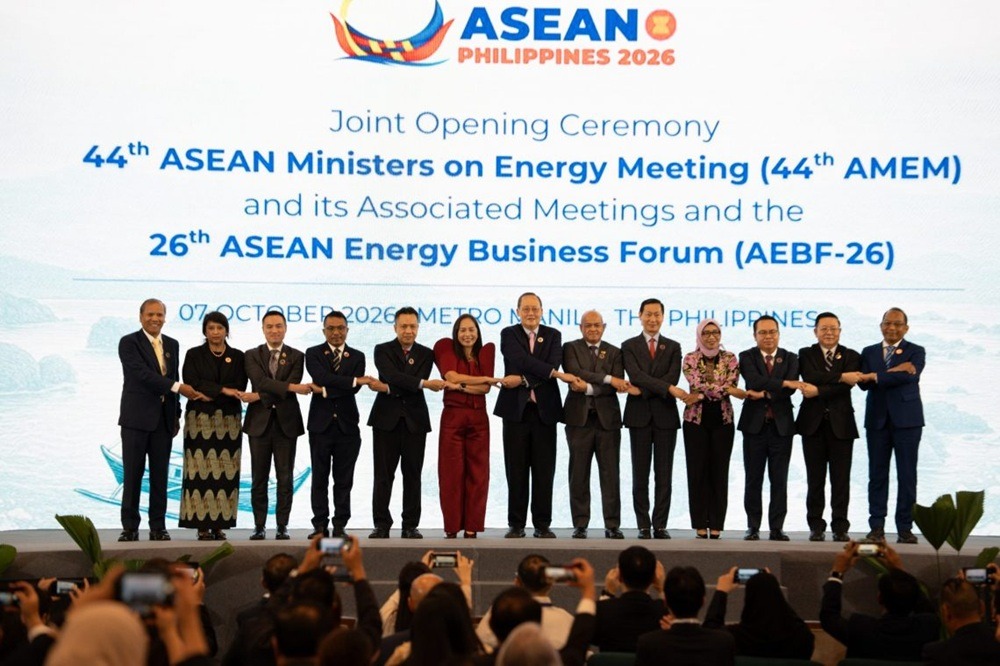
All 11 Asean member states completed the signing of an enhanced memorandum of understanding on the Asean Power Grid on Nov. 15.
The agreement sets out how countries can plan and finance cross-border transmission projects and coordinate rules for electricity trading. Such arrangements could allow countries with surplus power to supply neighbors facing shortages.
For the Philippines, the proposed connection comes as electricity demand has outpaced expansion of the domestic transmission network.
A January 2026 paper by the Philippine Institute for Development Studies found that electricity consumption rose about 140% between 2003 and 2024, while slower transmission expansion contributed to congestion and reliability problems.
Data centers need a continuous supply of electricity to run servers and cooling systems. A connection to Sabah could broaden the Philippines’ supply options, while domestic transmission upgrades would help deliver that power to facilities that need it.
Marcos also called for Asean to take a role in shaping AI development.
“We do not accept that Asean should just be customers to the AI revolution, but that we should be part of guiding the directions in which that development will take place,” he said.
At the same briefing, Marcos cited the conclusion of negotiations on the Asean Digital Economy Framework Agreement, which aims to make cross-border digital trade and payments easier and improve regional cooperation on data flows.