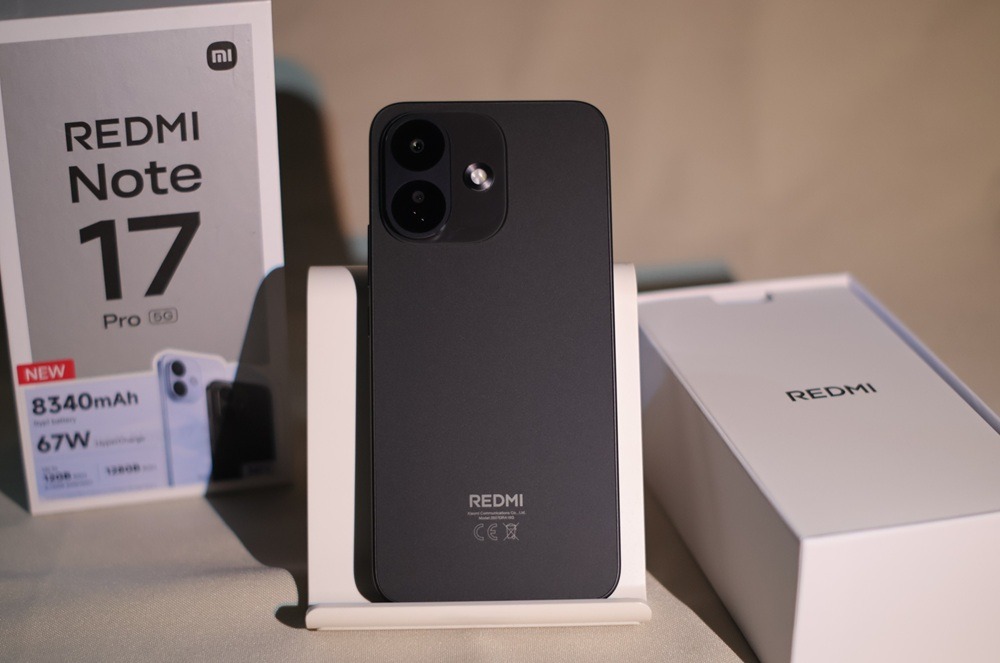
Redmi continues to strengthen its mid-range smartphone lineup with the Redmi Note 17 Pro 5G, a device that puts durability and battery life at the forefront.
Carrying the “Titan Power, Go Max” tagline, the smartphone combines a large 8,340 mAh battery, a 6.83-inch AMOLED display, and multiple dust and water resistance ratings in a solidly built package.
Newsbytes.PH put the Redmi Note 17 Pro 5G through its series of tests to see how well it performs as a daily driver.
Design and Build Quality
The Redmi Note 17 Pro 5G features a large 6.83-inch AMOLED flat display with a resolution of 2772 × 1280 pixels (1.5K). The panel supports a refresh rate of up to 120 Hz and a peak brightness of 3,200 nits, making the display bright and smooth for everyday use. For added durability, the screen is protected by Corning Gorilla Glass Victus 2.
Measuring 163.45×78.27×8.6 mm and weighing 223 grams, the phone feels hefty yet comfortable. The solid construction also complements one of the device’s standout features — its durability.
The Redmi Note 17 Pro 5G carries IP66, IP68, IP69, and IP69K ratings for dust and water resistance. According to Redmi, the smartphone can withstand immersion at depths of up to two meters for as long as 72 hours. It also comes with SGS certification for resistance to drops from up to three meters.

Despite its extensive waterproofing, however, the phone has an overly sensitive wet-touch function, causing unintended touches when using the phone with wet hands or in the rain.
Performance
Under the hood, the Redmi Note 17 Pro 5G is powered by the Snapdragon 6s Gen 4 octa-core processor paired with an Adreno GPU. The 6 GB RAM configuration can be expanded virtually to 12GB.
While this provides additional memory when needed, the base model remains somewhat limited, particularly for users who regularly run demanding applications.
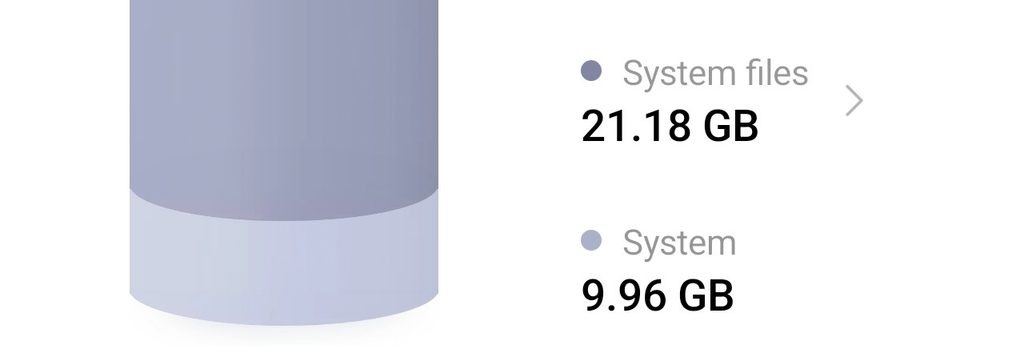
Storage may also be a concern. With approximately 30 GB occupied by system files and no microSD card slot for expansion, the 128 GB base version could quickly become limiting for users who keep a large number of apps, photos, videos, or games on their devices.
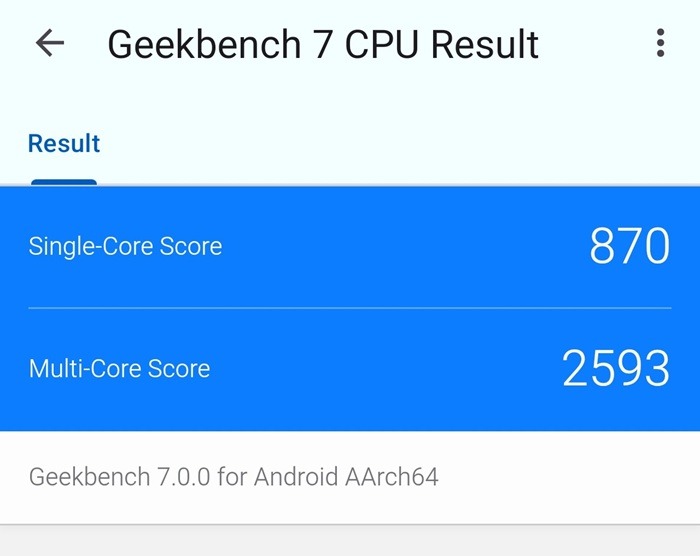
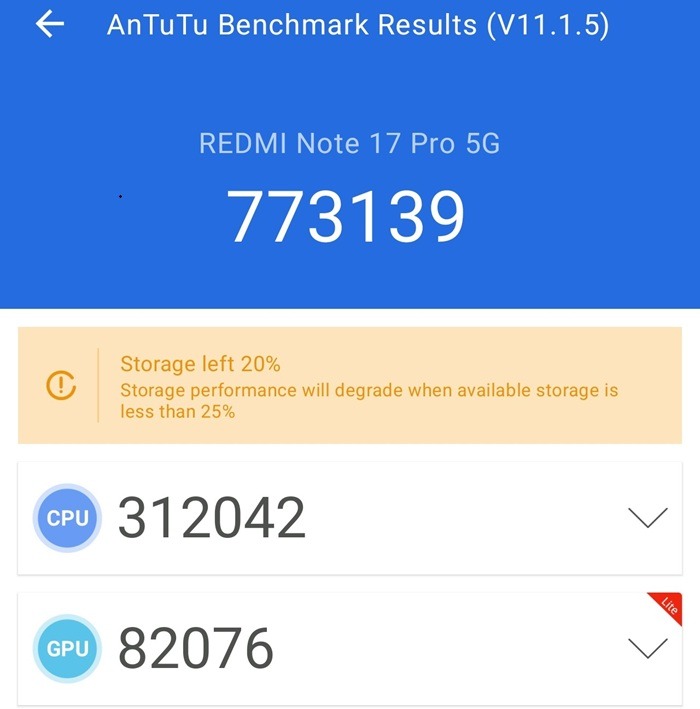
On Geekbench 7, the Redmi Note 17 Pro 5G posted a single-core score of 870 and a multi-core score of 2,593. It also recorded an AnTuTu CPU score of 312,042. These results translate to competent performance for everyday tasks such as browsing, social media, messaging, video streaming, and general productivity.
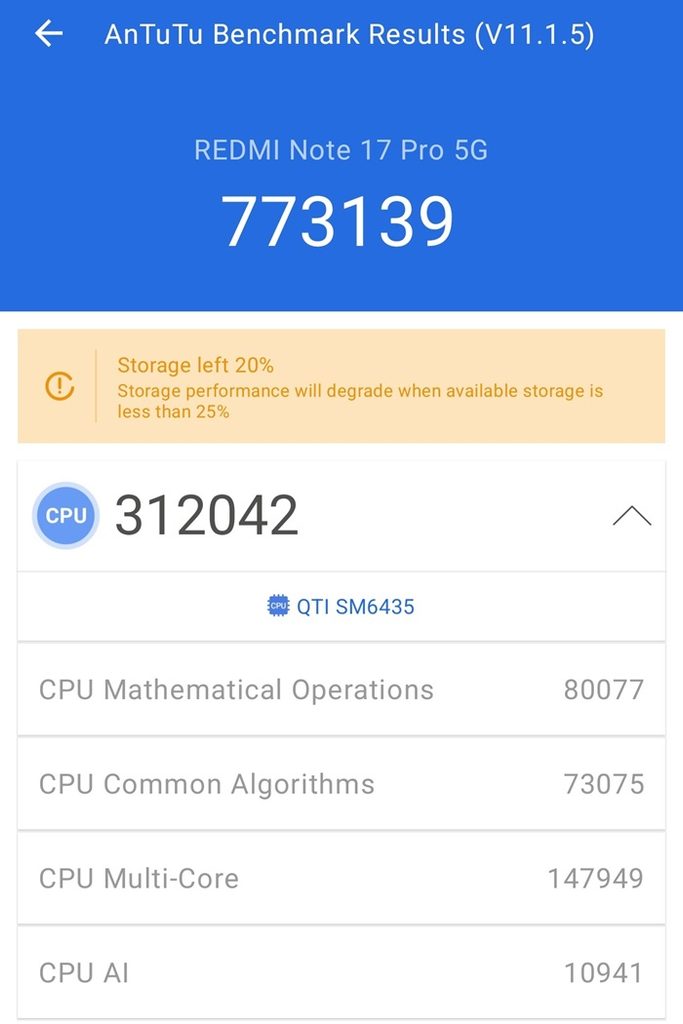
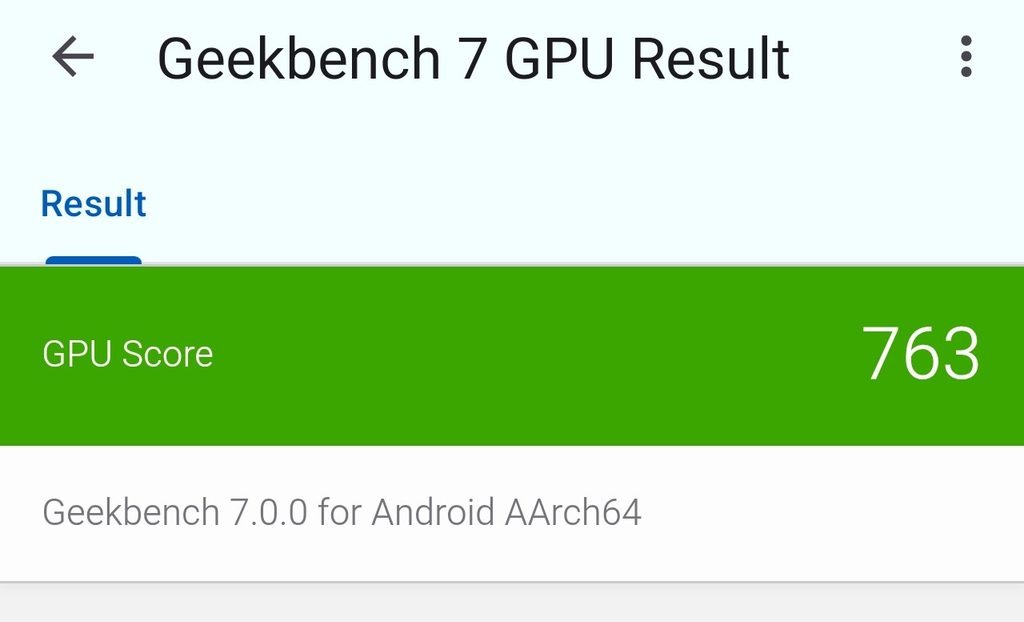
Graphics performance is more modest. The integrated Adreno GPU scored 763 on Geekbench 7 and 82,076 on AnTuTu, indicating that the phone is better suited to less demanding games.
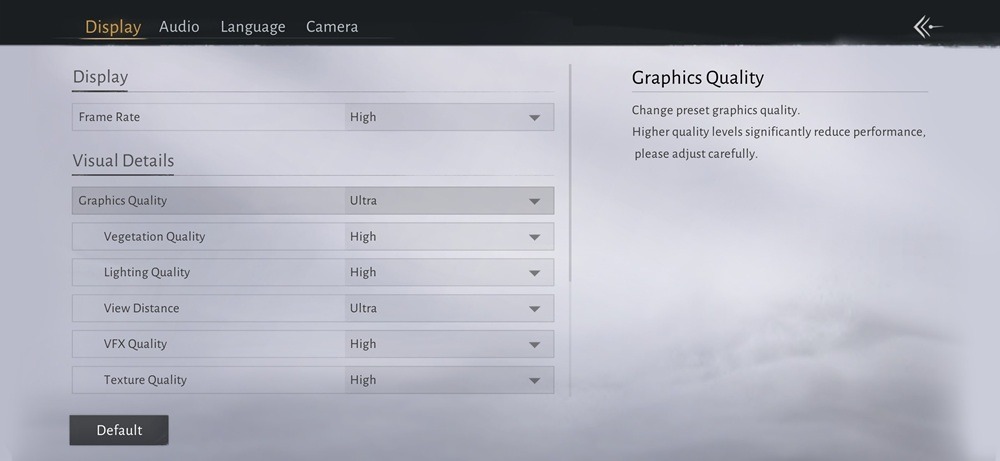
The graphics-heavy game “Where Winds Meet” was able to run at Ultra settings, although noticeable stuttering affected the experience. Lowering the graphics settings resulted in smoother gameplay, although image quality became noticeably grainier.

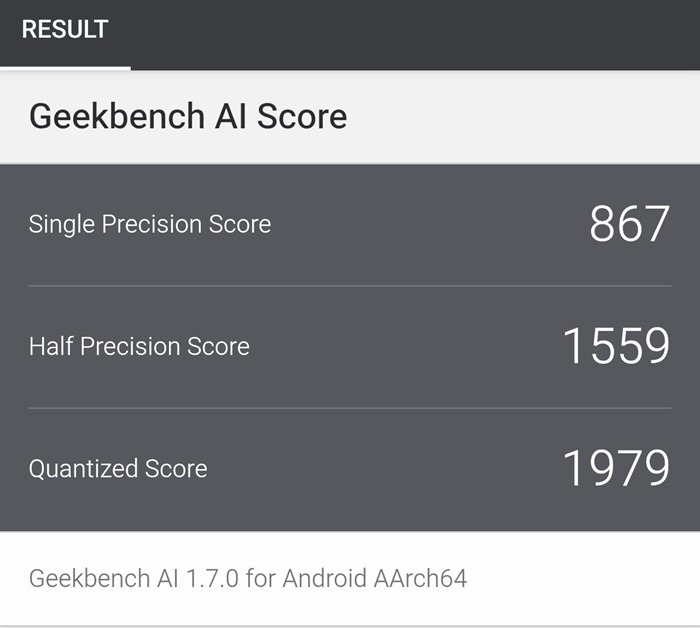
Running on Xiaomi HyperOS 3 based on Android 16, the Redmi Note 17 Pro 5G also comes with several AI-powered image tools, Circle to Search with Google, and Google Gemini. Its Geekbench AI quantized score of 1,979 suggests that the chipset can comfortably handle basic AI functions, although more demanding AI workloads may be a challenge.
Battery Life
Battery life is one of the Redmi Note 17 Pro 5G’s strongest features. The smartphone packs a large 8,340 mAh battery with support for 67 W HyperCharge and 22.5 W wired reverse charging.
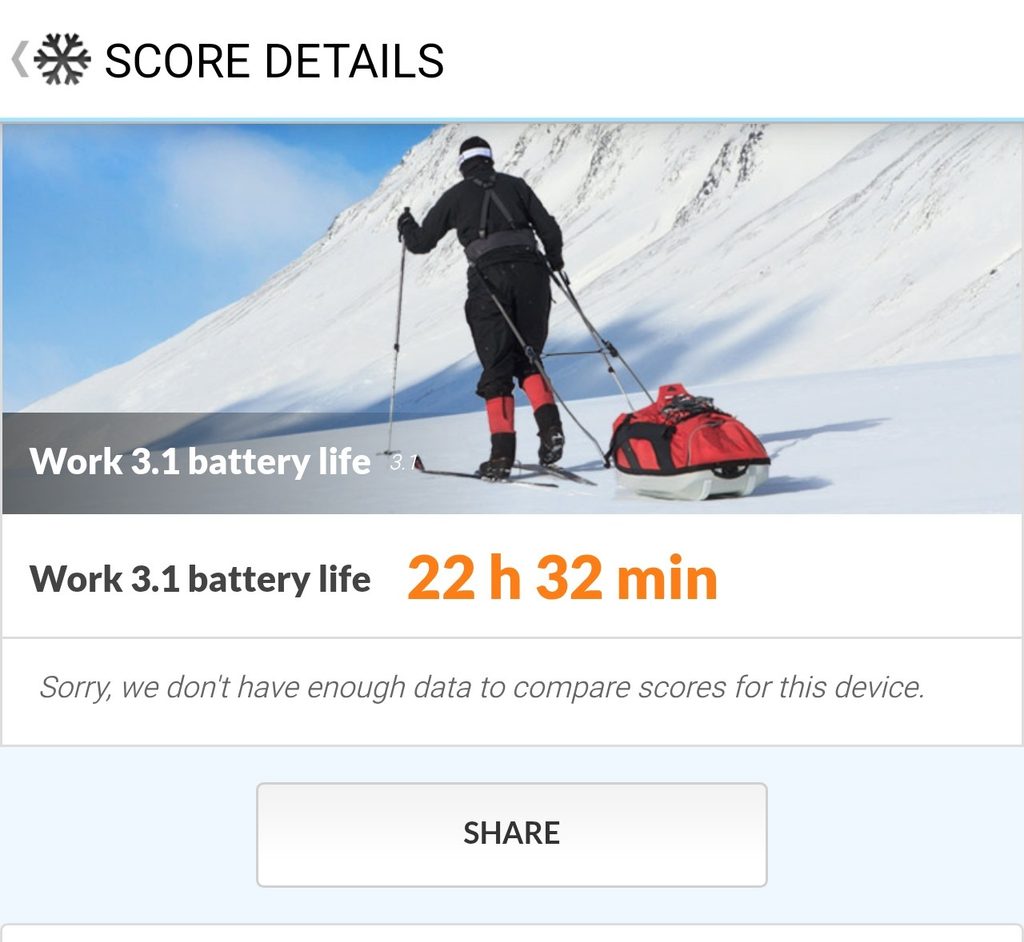
In the PCMark Work 3.1 battery test, the device lasted an impressive 22 hours and 32 minutes. This should be more than enough for a full day of normal use, with sufficient battery life left for users who spend long hours away from a charger. The wired reverse charging feature also allows the large battery to serve as a power source for other compatible devices when needed.
Camera Performance
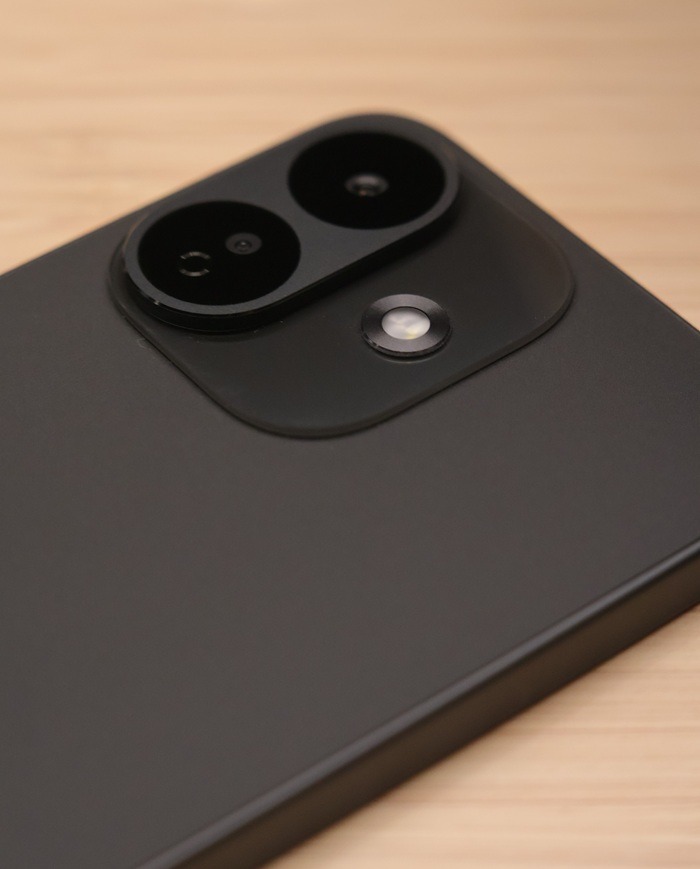
For photography, the Redmi Note 17 Pro 5G is equipped with a 50 MP main camera paired with an 8 MP ultrawide camera. A 16 MP camera handles selfies and video calls at the front.
Images from the main camera are decent, aided by the phone’s AI image processing. The camera should be capable enough for casual photography and social-media use, although photography is not necessarily the smartphone’s standout feature.

Video recording is limited to 30 frames per second at both 720p and 1080p. Although the main camera comes with optical image stabilization, handheld recordings can still result in shaky footage. Users who place a premium on video recording may find the 30 fps limitation and basic stabilization performance restrictive.
Key Specifications
• Processor: Snapdragon 6s Gen 4, Octa-Core
• GPU: Adreno
• Dimensions: 163.45 x 78.27 x 8.6mm
• Weight: 223g
• Display: 6.83-inch 1.5K AMOLED, 120 Hz
• Resolution: 2772 × 1280
• Camera: 50 MP main camera, 8 MP ultrawide camera
• Selfie camera: 16MP selfie camera
• Battery: 8,340mAh with 67W HyperCharge and 22.5 W wired reverse charging
• Operating system: Xiaomi HyperOS 3, Android 16
• IP ratings: IP66, IP68, IP69, IP69K dust and water resistance
• Colors: Black, Purple, and Sky Blue
• Price: P20,999 (6GB+128GB); P22,999 (6GB+256GB); and P23,999 (8GB+256GB)
Verdict
Though a bit basic in terms of performance, the Redmi Note 17 Pro 5G provides a durable and reliable daily workhorse, highlighted by its solid build quality and excellent battery life.
Its Snapdragon 6s Gen 4 processor handles everyday tasks competently and can accommodate some gaming, although users looking for stronger graphics performance may find its capabilities limiting.
The biggest concern is the base 6 GB+128 GB configuration. With more than 30 GB already occupied by system files and no option for microSD expansion, available storage could quickly become restrictive.
At P20,999 for the base version, the Redmi Note 17 Pro 5G also faces strong competition from smartphones offering better performance at similar or even lower price points.
For buyers interested in the device, the 8 GB+256 GB configuration provides more practical headroom for storage and memory. The Redmi Note 17 Pro 5G nevertheless makes a strong case for users who prioritize durability and long-lasting battery life over outright performance.
Pros
• Durable and solid build quality
• Excellent battery life
• Decent performance for everyday tasks
Cons
• Relatively high price for its level of performance
• Video recording is capped at 30 fps, while optical image stabilization is basic
• Limited RAM in the base configuration, even with memory expansion
• Limited usable storage on the 128 GB version