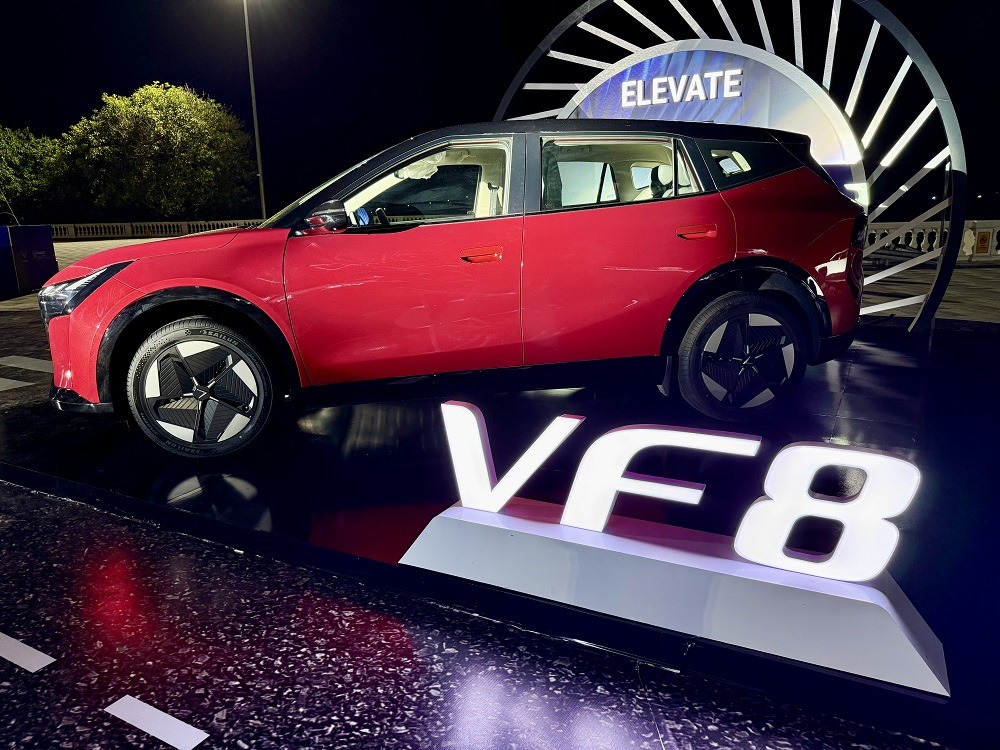
The Board of Investments (BOI) said the Philippines can use electric vehicle imports to build consumer demand while offering incentives for companies to assemble vehicles and make parts locally.
“Importation and local assembly policy should be complementary because I don’t think we can produce all types of vehicles and all models in the world,” Ma. Corazon Halili-Dichosa, executive director of the BOI’s Industry Development Services, said at the Asean EV Conference 2026, held Nov. 11–12 in Makati City.
Dichosa said the government is encouraging EV imports through 2028 “particularly to create the market and create confidence among consumers in the use of electric vehicles.”
To attract manufacturers, the government has allocated P60 billion in fiscal support over 10 years under the Electric Vehicle Incentive Strategy (EVIS), established by Executive Order No. 121 in August.
The program covers hybrid and battery-electric passenger cars and commercial vehicles. Vehicle manufacturers, assemblers, and their accredited parts suppliers can qualify.
“In terms of what we want to happen, it’s really to encourage more domestic manufacturing of EVs and the parts and components,” Dichosa said.
She said smaller producers that fall short of EVIS thresholds, which include P5 billion in capital investment and planned production of 10,000 units, can seek incentives under the Create More Act.
These include a four- to seven-year income tax holiday followed by 10 years of enhanced deductions, duty-free imports of capital equipment, and an additional deduction for power expenses.
Dichosa said investors also need to see enough demand to justify building a plant.
“Aside from incentives, the more important consideration for them would be the market, particularly the scale that would allow them to earn back,” she said.
She cited the Philippines’ existing auto electronics exports to Europe and Japan and its nickel resources, which could be processed into battery materials.
Expanding local vehicle production, she said, could bring more business to parts makers, small and medium enterprises, and service providers.
Ellaine Jane Macalino of Clean Air Asia, who moderated the panel, said a surge in demand amid concerns over fuel supply earlier in the year had left some EV buyers waiting for vehicles.
“It’s not a question of do we make it here in the Philippines or do we buy, but how do we strike that balance?” she asked.
Mohammad Zaki, Southeast Asia program manager at the ClimateWorks Foundation, said the size of the Asean market was an advantage and that governments could give investors more confidence by setting a clear policy direction.
Oliver Lah of the UN-Habitat Collaborating Centre at the Wuppertal Institute called for closer government coordination between vehicle supply and demand.
He also urged the industry to develop businesses that can sustain EV use over the long term and expand technical training to bring more women into the sector.