
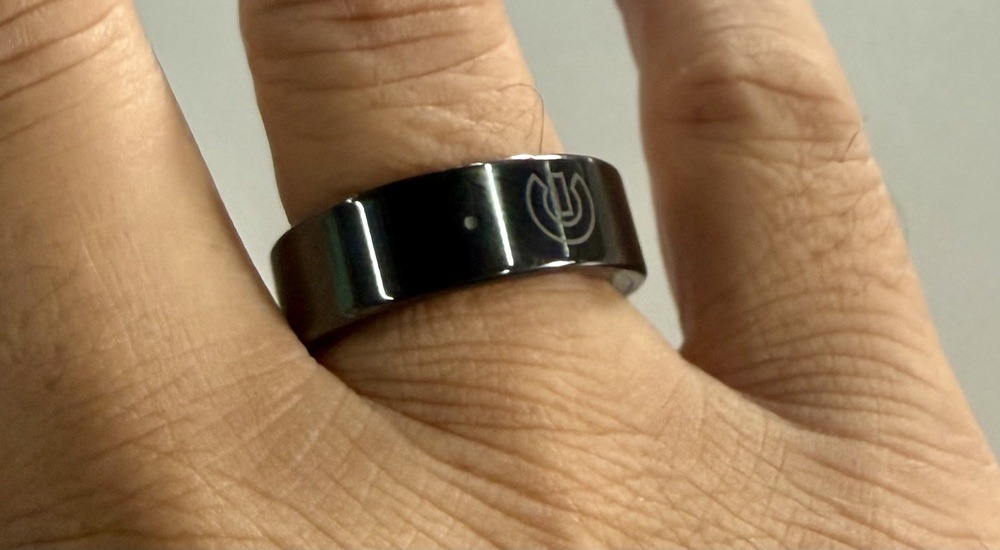
I had been thinking about buying a smart ring ever since a good friend started using one to monitor her health. The device looked useful, but its price — more than P20,000 — made me hesitate.
I was therefore delighted when I was asked if I was interested in testing the new Rophie Salim Tact AI Smart Ring. Of course, I said yes.
Having turned 50 this year, I have become more conscious of the health problems commonly associated with aging. I was particularly interested in the ring’s ability to monitor indicators such as sleep, steps, stress levels, and heart rate. My aging Apple Watch was no longer as reliable as it used to be in tracking some of these metrics.
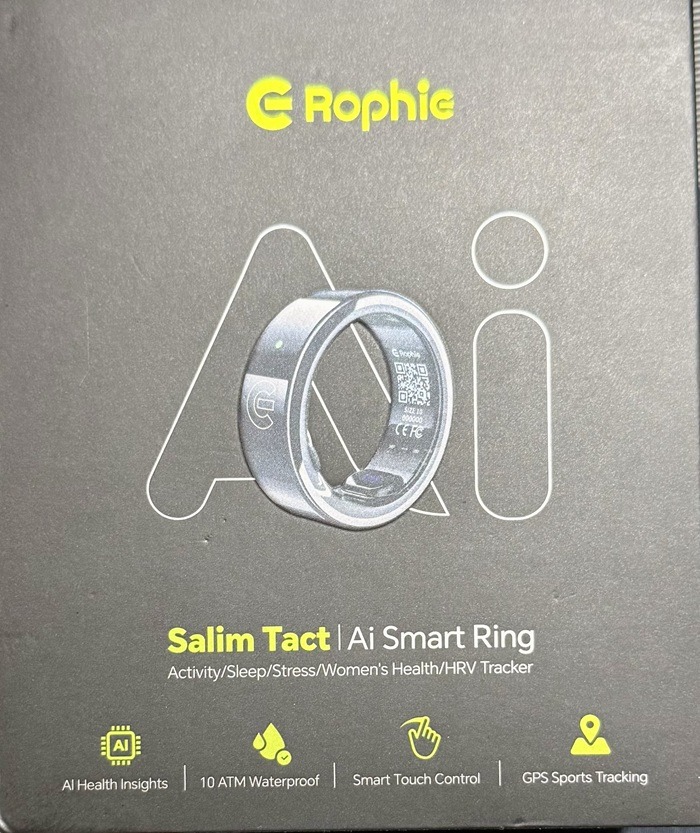
Battery life that lasts a week
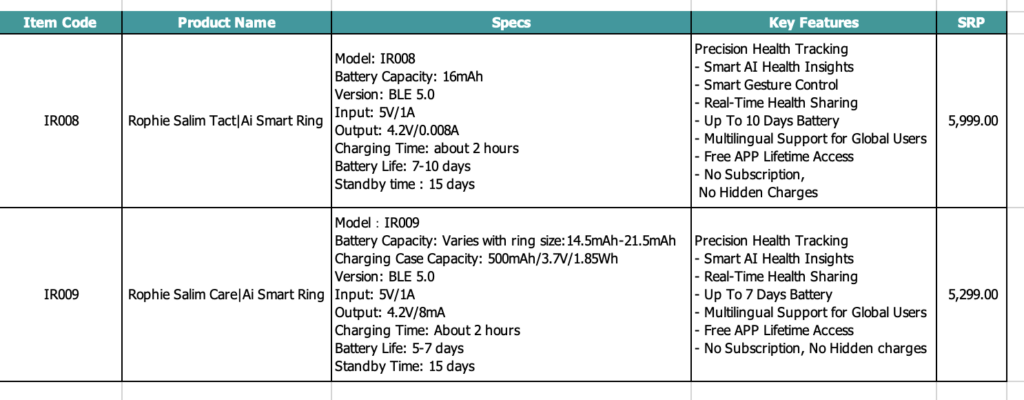
One of the first things I appreciated about the Rophie smart ring was its battery life. It can run for about seven days before needing a recharge.
While an even longer battery life would have been welcome, seven days is already a considerable improvement over my previous fitness trackers, which typically lasted only two to four days.
This matters because a health tracker is most useful when it can be worn continuously. Having to remove and charge a device every few days creates gaps in the data and makes long-term monitoring less convenient.
The ring is also waterproof, although I still remove it when taking a bath or washing my hands. That is more out of habit and caution than necessity.
Useful sleep and stress monitoring
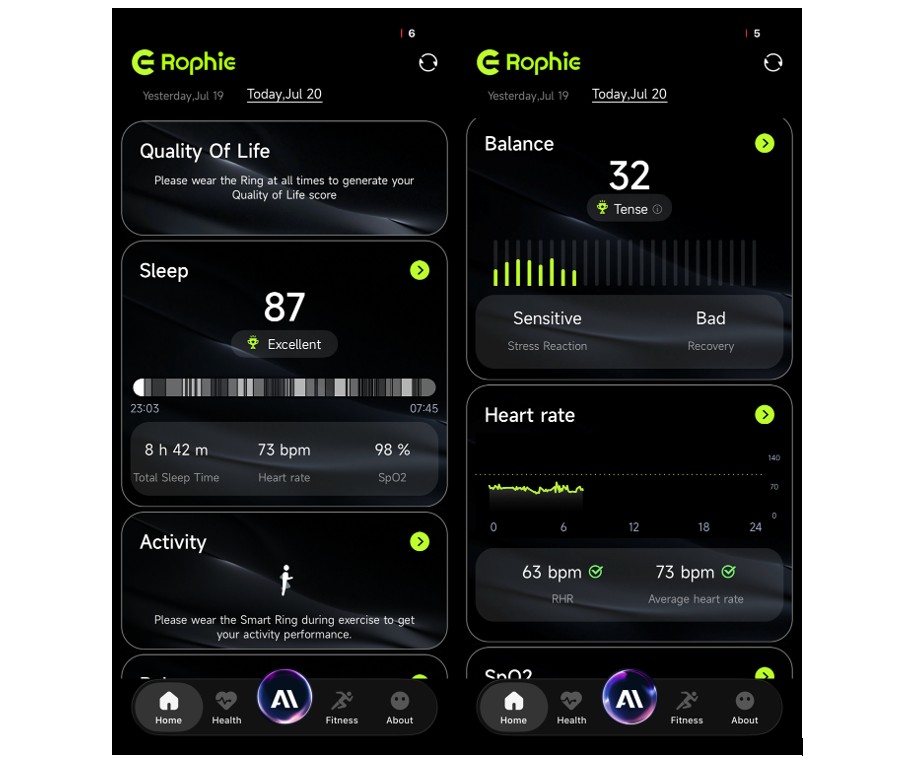
Sleep tracking has been particularly valuable because I sometimes have difficulty falling asleep. According to the accompanying app, however, I have been getting relatively good sleep lately.
The ring provides an easy way to review sleep patterns without having to wear a watch to bed. Since it is smaller and lighter than a smartwatch, I found it comfortable enough to wear while sleeping.
I was also intrigued by its stress-monitoring feature. Working as both a journalist and a lawyer can be particularly stressful. It may even explain why I am bald while my older brothers still have hair.
Jokes aside, seeing stress readings in the app can help users become more conscious of how work, sleep, and daily routines may affect their overall condition. The readings should not be treated as a medical diagnosis, but they can serve as useful indicators of when it may be time to slow down or rest.
More accurate step counting
The Rophie ring was surprisingly more accurate than my Apple Watch when counting steps. This was one of the areas where I expected the smartwatch to perform better, but the ring appeared to produce readings that were more consistent with my actual activity.
It does have limitations. For some reason, I could not use it to track the distance I traveled while riding my bicycle. Cyclists will probably need another device or a GPS-enabled fitness app for detailed ride tracking.
Wearing a ring takes some adjustment
I also have a confession to make: this is the first time I have worn a ring regularly.
When I got married, I tried wearing my wedding ring, but it was slightly too large for my finger. I was worried that I might lose it, so I eventually kept it inside a cabinet.
Because I was not used to wearing rings, it took some time to adjust to the thickness of the Rophie smart ring. I occasionally noticed its bulk during the day, although it did not bother me while sleeping.
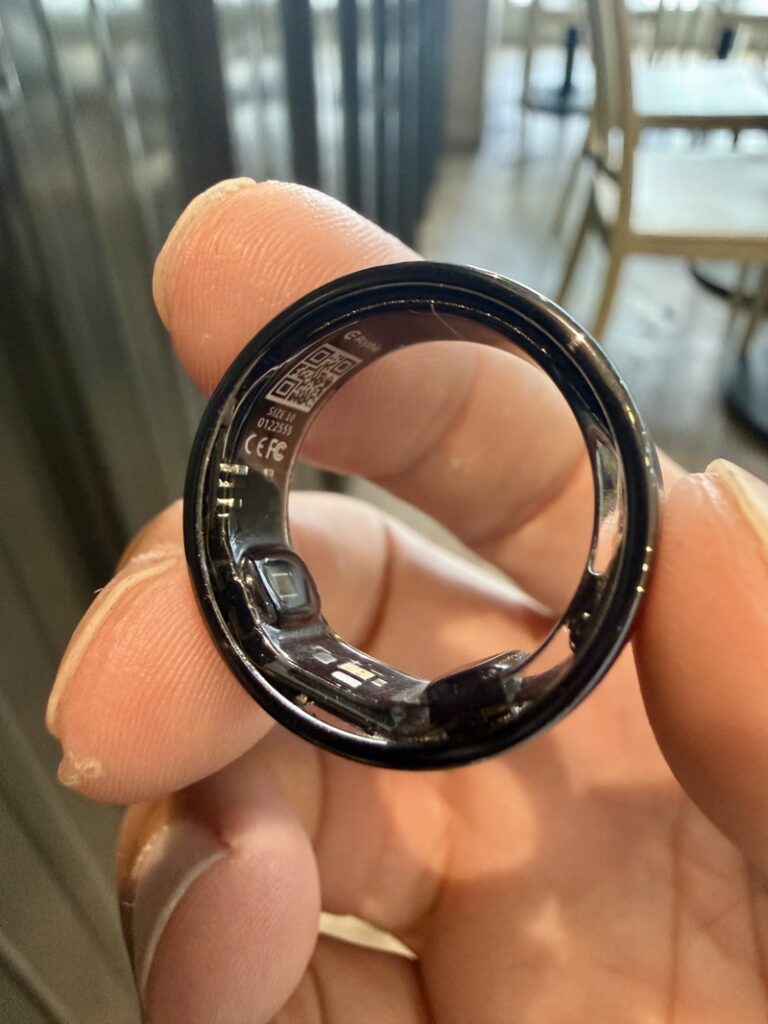
Those who regularly wear rings may not encounter the same adjustment period. Still, prospective buyers should make sure they choose the correct size, especially since a smart ring needs proper skin contact to collect consistent readings.
A much more accessible price
Perhaps the Rophie smart ring’s biggest competitive advantage is its price. At below P6,000, it costs only a fraction of premium smart rings that sell for P20,000 or more.
That lower price makes health monitoring through a smart ring more accessible to users who are curious about the technology but are unwilling to spend the equivalent of a midrange smartphone on one.
Its affordability would mean little if the device failed at its basic functions. Fortunately, the ring delivered useful readings for sleep, stress, heart rate, and daily steps during my time with it.
Verdict
The Rophie Salim Tact AI Smart Ring offers an affordable and convenient way to monitor basic health and activity indicators without wearing a smartwatch all day and night.
Its week-long battery life, sleep monitoring, stress readings, and generally reliable step counting make it useful for people who want greater awareness of their daily health patterns. Its inability to track my cycling distance and its relatively thick design are drawbacks, but neither was enough to outweigh its strengths.
Most importantly, the ring provides information that could encourage users to pay closer attention to their health before more serious problems arise. Its appearance is a welcome bonus, but its practical value lies in making continuous health tracking more discreet and accessible.
At below P6,000, the Rophie Salim Tact AI Smart Ring is a compelling entry point for anyone interested in smart-ring technology but unwilling to pay premium-brand prices.
Pros
- Around seven days of battery life
- Tracks sleep, stress, heart rate, and steps
- Step counting is accurate
- Comfortable enough to wear while sleeping
- Waterproof
- Considerably more affordable than premium smart rings
- Discreet alternative to a smartwatch
Cons
- Thick design may require an adjustment period
- Did not track cycling distance during testing
- Battery life, while good, could still be longer


