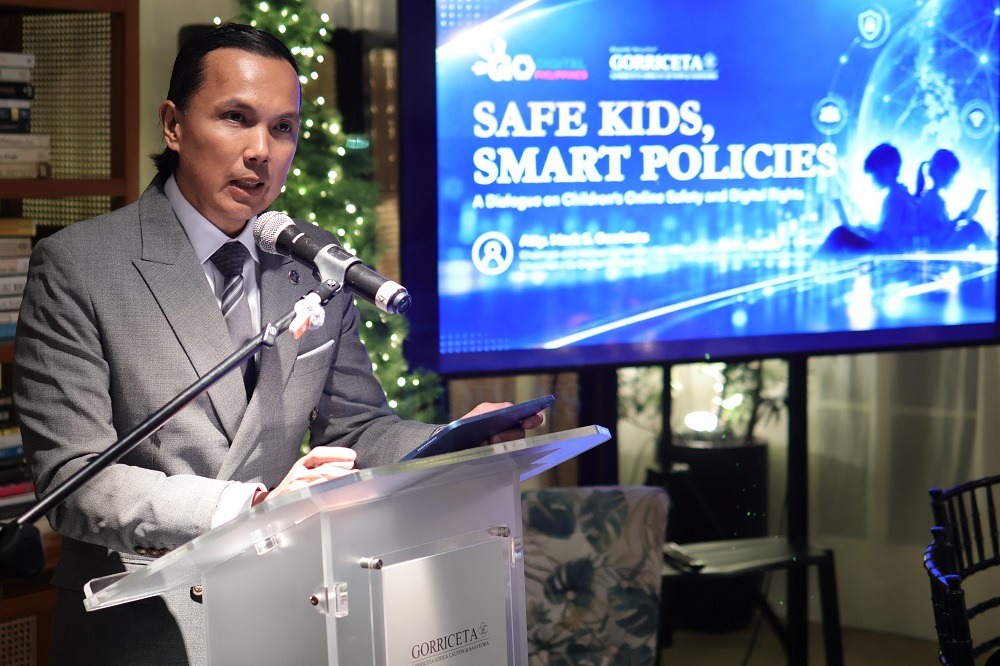
Two proposed measures to protect Filipino children online should adopt risk-based safeguards without unnecessarily restricting privacy, freedom of expression, and access to digital services, according to a law firm and a digital advocacy group.
Gorriceta Africa Cauton & Saavedra and GoDigital Philippines raised the concerns during a policy forum on Oct. 22 at Manila House in Taguig City, where government officials, technology industry representatives, and legal experts discussed two pending measures: House Bill No. 11566, or the Safe Kids Act, and Senate Bill No. 2424, or the Smart Kids Act.
The proposed bills seek to address risks faced by minors in digital environments, including questions about age restrictions, platform accountability, regulatory enforcement, and access to online services.
The groups said safeguards should reflect how children actually use digital platforms rather than impose broad restrictions that could limit legitimate online activities.
They also called for age-verification mechanisms that do not unnecessarily intrude on privacy, as well as proportionate restrictions that protect children without limiting access to information or creating unnecessary barriers to the Philippine digital market.
The responsibilities of technology companies, their compliance obligations, and the enforcement of new requirements should also be clearly defined, they said. Stakeholders should be given sufficient time to adjust to new regulations.
Mark S. Gorriceta, managing partner of Gorriceta Africa Cauton & Saavedra and chairman of GoDigital Philippines, said legislation should consider how safeguards would work in practice and their potential effects on users’ rights.
“Protecting children online is a responsibility we all share. But effective legislation requires careful consideration of how safeguards will work in practice, who will be responsible for implementing them, and how we can protect children without unnecessarily restricting freedom of expression, privacy, and access to information. The goal should be policies that are clear, proportionate, and workable,” Gorriceta said.
In a separate presentation examining the proposed measures, Gorriceta also stressed that legislation alone would not guarantee effective implementation.
“A simple law is not the same as effective enforcement, and age limits raise freedom-of-speech and information issues. Process matters as much as policy,” he said.
The presentation identified risk-based age restrictions, privacy safeguards, proportionate regulation, and sufficient implementation time as key considerations in developing child online safety rules.
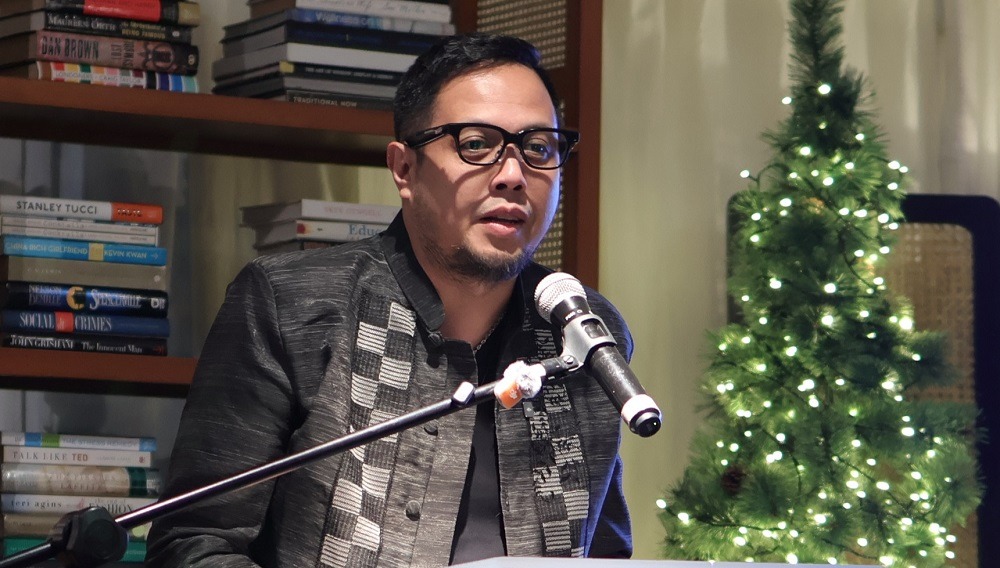
The forum also featured Cybercrime Investigation and Coordinating Center (CICC) executive director and undersecretary Renato “Aboy” Paraiso, who delivered the government’s perspective on cybersecurity, cybercrime prevention, and the protection of Internet users.
Meanwhile, Kankan Ramos, chief operating officer of InvictusPH, presented an industry perspective on the proposed legislation and its potential implications for digital services.
The event concluded with an open forum involving Gorriceta lawyers Micaela Kristina V. Galvez and Luis Teodoro B. Pascua where participants discussed legal, regulatory, and operational concerns surrounding the bills.