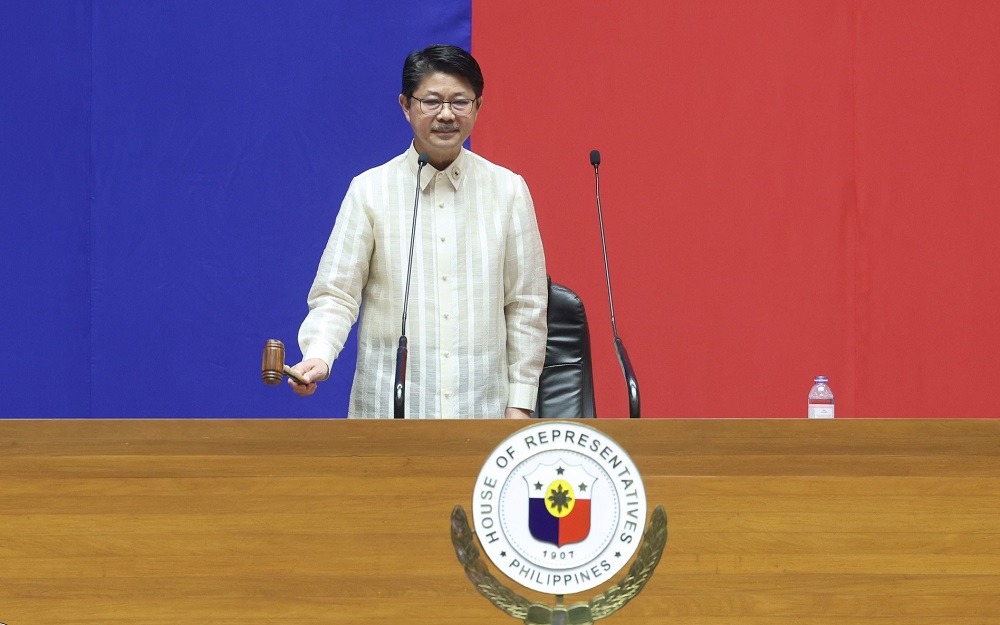
The House of Representatives will transition to a paperless system and adopt blockchain technology by 2026, speaker Faustino “Bojie” G. Dy III announced Tuesday, Dec. 30.
Dy revealed the plan in a video message posted on the official social media accounts of the House a day after lawmakers ratified the proposed ₱6.793-trillion 2026 national budget.
Under the initiative, the House will digitize internal processes and use blockchain to secure and verify legislative records, including documents related to national budgeting.
The chamber will undertake the shift with the support of the Department of Information and Communications Technology (DICT). Once implemented, the House would be the first legislative body in Asia to adopt blockchain for its core processes, Dy said.
“As your Speaker, I have always said that trust in government is built not by words alone, but by actions,” he added, stressing the move reflects long-held commitments to reform and modernization.
The announcement comes amid broader interest within government to use blockchain as a tool for transparency and anti-corruption.
Earlier this year, the DICT signaled plans to put the 2026 national budget on blockchain and utilize artificial intelligence to help curb corruption, promoting both technologies as mechanisms to secure public data and make budget execution more transparent to citizens.
Separately, Sen. Paolo Benigno “Bam” Aquino IV has filed the Community Access to Digital and Electronic National Accounts (CADENA) Act, a measure that proposes using blockchain technology to let citizens track public funds and government spending in real time.
Pres. Ferdinand Marcos Jr. has certified the CADENA Act as a priority bill, signaling strong executive backing for the measure.
Proponents say blockchain’s decentralized and immutable nature could help deter tampering and empower the public to monitor how taxpayer money is allocated and spent.
Dy said the adoption of digital tools such as blockchain is intended to institutionalize transparency and accountability in the legislative process, not just as a slogan but as tangible practice.