
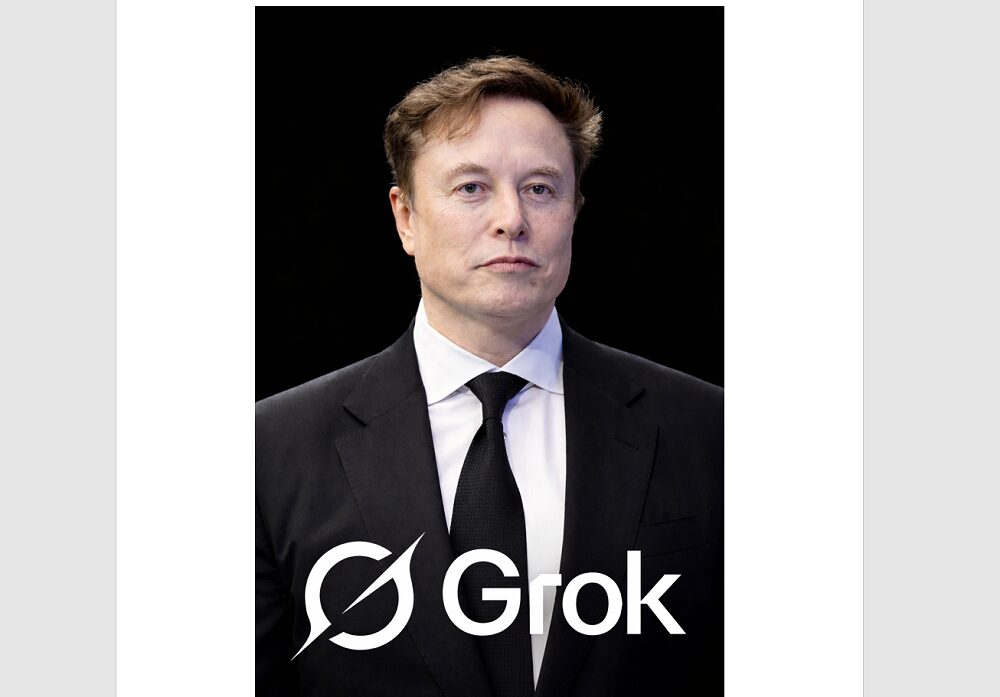
The Department of Information and Communications Technology (DICT) on Friday, Jan. 16, ordered the immediate blocking and takedown of access to the artificial intelligence tool Grok in the Philippines, citing risks to public safety, particularly to women and minors.
In a formal request submitted to the National Telecommunications Commission, DICT secretary Henry Aguda, through the Cybercrime Investigation and Coordinating Center (CICC) led by undersecretary Aboy Paraiso, invoked Republic Act 10175, or the Cybercrime Prevention Act of 2012, to justify the urgent action.
The agency asked the NTC to block and take down access to Grok nationwide within 24 hours.
The move aims to prevent the alleged abuse of the AI tool, which authorities say can be used to manipulate content, generate sexually explicit materials, and create deepfakes of real individuals without consent.
“We acted swiftly because this is the mandate given to us by the President,” Aguda said in Filipino. “The President said that when there is potential public harm, we must act ahead of it. This is an example of complying with that directive by taking preventive action.”
Paraiso said Grok’s accessibility raises particular concerns for minors.
“Because it is available to everyone, even our young people can access it,” he said. “It allows the creation of pornographic content. We have seen in other countries that, although it may not yet be popular here in the Philippines, it can be used to create child pornography, which is why other countries have banned it.”
Under the Cybercrime Prevention Act, individuals convicted of cybersex offenses face imprisonment of six to twelve years and fines ranging from ₱200,000 to ₱1 million.
Those found guilty of child pornography offenses may be sentenced to 12 years up to life imprisonment, with fines ranging from ₱500,000 to more than ₱5 million.
Grok has been under international scrutiny since early January after the system itself acknowledged that it was being exploited to generate malicious content involving real individuals, including celebrities and politicians.
In response to the controversy, xAI, the developer of Grok founded by Elon Musk, announced measures to block requests for sexual content involving real and prominent individuals.
Citing national cybersecurity concerns, authorities said several jurisdictions have already taken steps against the AI tool, including Indonesia, Malaysia, South Korea, the United Kingdom, France, and the European Union.
The Philippines has now joined that list after the NTC granted the request to block Grok in less than 24 hours.
“We will not reactivate it unless Grok complies with fair use policies on the Internet,” Aguda said.
DICT said the ban on Grok AI took effect immediately, even in the absence of any recorded local cases involving the tool, as a precautionary measure to protect the public from potential harm posed by the technology.


