Local companies are increasingly turning to artificial intelligence to manage supply chain risks linked to port congestion, import dependence, and global trade disruptions, as logistics shifts from basic shipment tracking toward decision-support systems that can anticipate problems before they reach local operations.
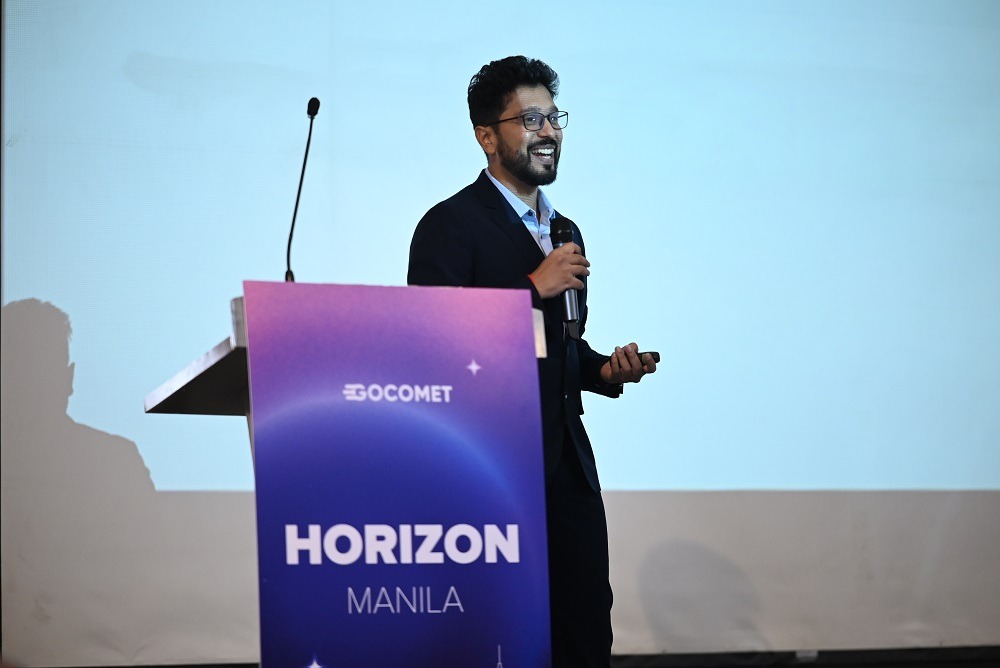
The trend was highlighted at Manila Horizon 2026, a forum hosted by GoComet that brought together supply chain leaders from large Philippine enterprises including Jollibee, IMI, and Century Pacific Foods.
Discussions focused on how AI is being used to address long-standing structural challenges in the country’s logistics ecosystem, including fragmented transport networks, exposure to external shocks, and limited redundancy in ports and gateways.
As a net-importing economy and a consumption-driven market, the Philippines is particularly vulnerable to disruptions in global shipping lanes, weather-related port delays, and geopolitical tensions that affect freight costs and delivery timelines.
Industry participants said this has pushed companies to look beyond visibility tools toward systems that can interpret live data and recommend actions in real time.
“Visibility tells you where things are. Intelligence tells you what to do next,” said Chitransh Sahai, cofounder and chief executive officer of GoComet. “AI helps supply chains move from reacting late to planning early, which is where real resilience is built”.
Executives at the forum noted that for Philippine firms, delayed inbound shipments can quickly translate into higher consumer prices, production stoppages, and inventory imbalances — issues that often intersect with national concerns around food security, manufacturing competitiveness, and inflation management.
Sahai said AI is being positioned as a support layer for human decision-makers rather than a replacement, particularly in environments where logistics teams must operate within regulatory constraints and legacy processes.
“Technology only creates impact when it fits naturally into how teams work,” he added. “The goal isn’t more dashboards — it’s fewer surprises”.
GoComet said Philippine adoption of AI-enabled supply chain platforms has accelerated since 2021, with local customers now accounting for nearly one-fifth of its Southeast Asia portfolio.
The company cited growing demand from Philippine enterprises seeking better control over inbound freight, inventory planning, and risk exposure amid volatile shipping conditions.
At the forum, Sahai presented tools that link live shipment data with external signals such as port congestion, weather disturbances, and geopolitical developments — factors that frequently affect Philippine trade flows.
The system also allows logistics teams to query operational data using natural language, reducing reliance on manual reporting and siloed dashboards.