The Intellectual Property Office of the Philippines (IPOPHL) said its five-year-old E-Commerce Memorandum of Understanding (MOU) against online counterfeiting has led to faster takedowns of fake goods listings and stronger coordination among online marketplaces, rights holders, and industry groups.
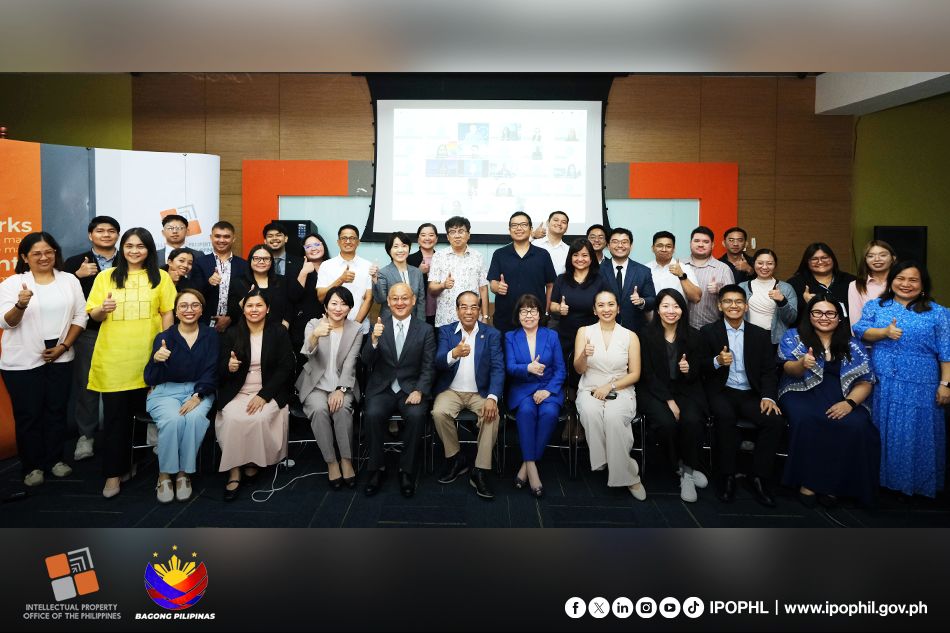
During the sixth review and assessment meeting of the MOU held last week, stakeholders reported improved enforcement outcomes, including quicker complaint resolution and more efficient communication channels among signatories.
One signatory that joined the initiative in mid-2024 reported that the number of deleted counterfeit listings in 2025 more than tripled compared to the previous year, which it said contributed to revenue recovery.
Other participants said counterfeit listings were removed within 24 hours to three days under the arrangement.
The initiative, facilitated by Intellectual Property Office of the Philippines, has also drawn interest from other Southeast Asian countries as a possible regional model for addressing online counterfeiting.
Representatives from Indonesia, Laos, Myanmar, Singapore, and Timor Leste attended the meeting as member states of the Association of Southeast Asian Nations (Asean) study possible approaches to strengthen regional cooperation against counterfeit trade online.
“Our initiative has been continuously cited as a best practice that Asean members could replicate to fight counterfeit goods online,” said IPOPHL deputy director general Nathaniel S. Arevalo.
A representative of one signatory said challenges encountered in the Philippines are similar to those faced in other Asean markets, adding that the MOU “could serve as a practical reference point and a learning model for the region.”
The Philippines currently chairs the Asean Network of IP Rights Enforcement Experts (ANIEE), a regional body focused on intellectual property enforcement cooperation.
The review meeting also discussed expanding the MOU beyond listing removals toward more proactive and intelligence-driven enforcement measures.
Stakeholders proposed closer coordination between e-commerce platforms and law enforcement agencies to help identify supply networks behind counterfeit traders.
Participants also emphasized the need for consumer education campaigns to reduce demand for counterfeit products.
Rights holders likewise raised concerns over repeat offenders, weak seller verification systems, trademark infringement, and the difficulties of cross-border enforcement.
Launched in 2021 with 12 signatories, the E-Commerce MOU now has 119 signatories composed of rights holders, online marketplaces, and industry groups.
The MOU has been cited by IPOPHL as a private sector-led model aimed at curbing the online sale of counterfeit and pirated goods.