The Supreme Court (SC) has ruled that similarities in trademark or logo designs that may confuse purchasers prevent the registration of later marks, even if new words are added.
In a decision written by SC associate justice Ramon Paul L. Hernando, the SC’s First Division granted Starwood Hotels & Resorts Worldwide consolidated petitions and reversed the Court of Appeals (CA)’s rulings allowing the registration of Oceanic Empire Limited marks.
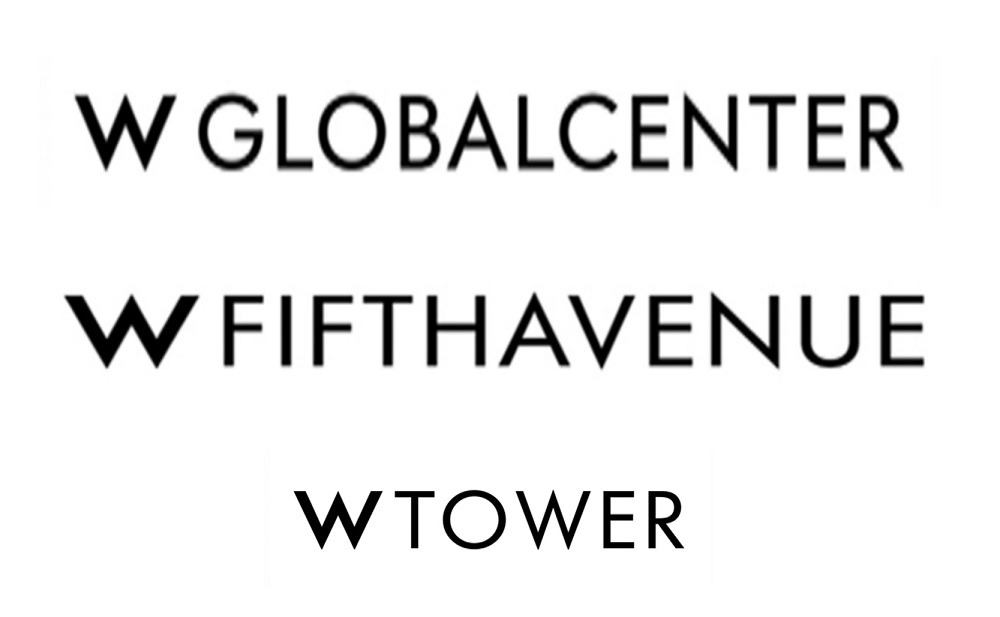
Oceanic filed to register the trademarks “W GLOBALCENTER” and “W FIFTH AVENUE” and had earlier secured registration for “W TOWER”:
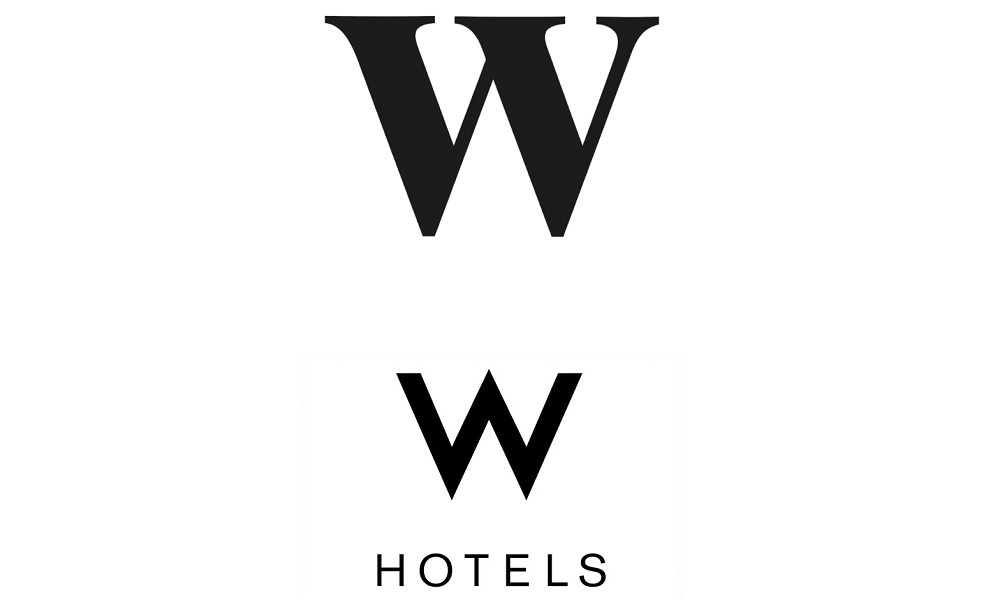
Starwood, owner of several registered “W” trademarks for hotels and entertainment services, opposed the applications and sought the cancellation of the “W TOWER,” arguing that Oceanic’s marks were confusingly similar to its trademarks:
It argued that Oceanic would benefit from the popularity and reputation of its brand and that this would mislead the public into believing that Oceanic’s business was connected with Starwood.
The Intellectual Property Office (IPO) ultimately dismissed Starwood’s claims, ruling that no one can claim exclusive rights to a letter of the alphabet and that differences in the marks’ designs and the parties’ businesses are sufficient to avoid confusion.
The CA affirmed the IPO, finding that the marks were not confusingly similar and that Oceanic’s real estate business differs from Starwood’s hotel operations.
The SC disagreed.
A trademark is used to distinguish one’s goods or services from those of others. Under Section 123.1 of the Intellectual Property Code, a mark cannot be registered if it is identical to an existing mark for the same or closely related goods or services, or if it nearly resembles such a mark as to likely cause confusion.
The SC explained that trademark protection prevents confusion of goods and businesses, and that only the likelihood — not actual proof — of confusion is required. Each case must be assessed based on the resemblance of the marks and the relatedness of the services.
Under the Dominancy Test, emphasis is placed on the dominant or most striking features of the marks rather than on minor differences.
In this case, the SC ruled that “W” is the dominant feature of both Starwood’s and Oceanic’s marks. While Starwood’s “W” is registered as a word mark, the SC clarified that Starwood cannot claim the letter “W,” but only its distinct stylized version.
The SC stressed that purchasers would immediately notice the similarity between the parties’ “W” marks. It held that minor textual differences do not change the fact that both use the same style, which looks visually similar.
The SC further ruled that the added terms “GLOBALCENTER,” “FIFTH AVENUE,” and “TOWER” do not lessen dominance of the “W” in Oceanic’s marks. These words are generic or descriptive of their location only, and are less noticeable than the “W.”
The SC also considered how the marks are actually used in the market, noting that both parties prominently display their “W” on their buildings and in online promotions. This similarity in real-world use increases the likelihood that purchasers would confuse Oceanic’s business with Starwood’s.
It also found that the parties’ businesses are related, as both involve high‑end property development and rely heavily on brand image and building design