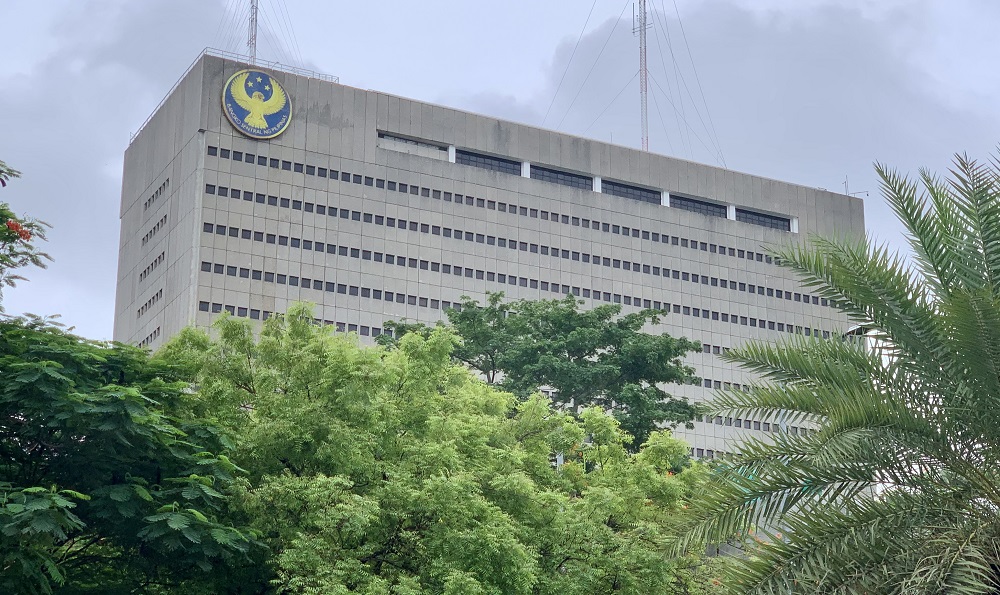
The Bangko Sentral ng Pilipinas (BSP) has amended its e-payments framework to encourage lower and more transparent digital transaction fees, while making it easier for micro businesses to adopt digital payments.
Under BSP Circular No. 1238, issued on June 17, banks, e-wallet operators, and other payment service providers (PSPs) must ensure that fees for person-to-person electronic fund transfers between institutions are not materially higher than transfers made within the same institution.
The BSP said transfers within a bank or e-wallet are often free, and any difference in pricing for interbank transactions should primarily reflect charges imposed by network switch operators such as BancNet for InstaPay and the Philippine Clearing House Corporation (PCHC) for PesoNet.
The circular also requires BSP-supervised financial institutions to maintain cost analyses for their electronic payment products and services, which the central bank may review as part of its supervisory and oversight activities.
“Lower fees will encourage more Filipinos and businesses to use and benefit from digital transactions. The BSP sees this as a step toward making digital transactions even more mainstream. At the same time, greater adoption can help improve efficiency across the payments system, reducing costs for everyone,” BSP governor Eli M. Remolona Jr. said.
The BSP said the amendments were prompted in part by the results of its Consumer Expectations Survey for the fourth quarter of 2025, which found that one in three Filipino consumers cited high transaction fees as a major barrier to using digital payments more frequently.
The circular revises both the National Retail Payment System Framework and the Regulatory Framework for Merchant Payment Acceptance Activities (RFMPAA).
In a separate amendment to the RFMPAA, the BSP also expanded the range of documents that micro businesses can use to open accounts and accept digital payments.
Under the new rules, micro enterprises, including sari-sari stores with monthly gross receipts of up to P250,000, may open an account using the National ID or other official documents considered sufficient to establish their identity. These may include barangay permits, self-attestations, digital storefronts, social commerce profiles, or evidence of sustained wallet activity.
According to the BSP, the change is intended to help more small businesses participate in the digital payments ecosystem and gain access to other financial services.