The House of Representatives has approved on third and final reading a bill requiring public and private higher education institutions to provide students and faculty with free access to digital academic materials and campus-wide high-speed Wi-Fi.
House Bill No. 9532, or the proposed “Universal Access to Digital Academic Learning Resources Act,” was approved Wednesday, Aug. 12, with 202 affirmative votes, no negative votes and no abstentions.
The measure would establish a National Academic Content Repository under the Commission on Higher Education (CHED), in partnership with the Department of Information and Communications Technology (DICT) and higher education institutions.
The online repository would contain digital textbooks, lecture videos, syllabi, research papers and open educational resources across different disciplines. Access would be free to students and faculty nationwide.
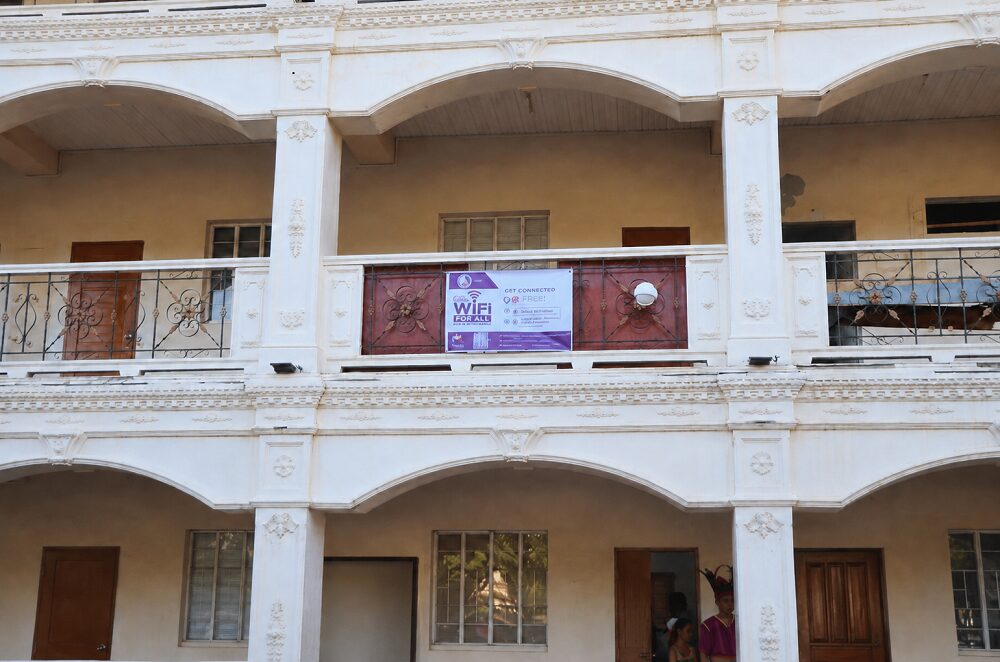
The bill would also require the DICT and higher education institutions to provide secure, campus-wide high-speed Wi-Fi at no cost to enrolled students and faculty. Rural and under-resourced campuses would be prioritized during the initial implementation.
House Speaker Faustino “Bojie” Dy III said the measure is intended to reduce disparities caused by the cost of textbooks and internet access.
“Today, a student who cannot afford textbooks or reliable Internet access is already starting at a disadvantage. Isipin natin ang isang estudyante na kailangang mamili kung bibili ng libro at magpapaload para makapag-research, o gagamitin ang pera para sa pamasahe at pagkain. Through this bill, our youth do not need to make this painful choice,” Dy said.
The bill directs CHED to acquire licenses for digital textbooks, negotiate affordable or open-access arrangements with local and international publishers, and create review panels to check the quality and accuracy of materials.
It would also provide grants for localized and open educational resources. Faculty members would be encouraged to develop and share content, with recognition and incentives for materials adopted nationally.
Higher education institutions would be required to designate an open learning resources unit or officer, integrate repository content into library services and course delivery, and help students develop digital literacy and use online academic resources responsibly.
Dy said improved access to digital materials could help narrow the resource gap between schools.
“When a student in a rural campus can access the same quality academic materials available to a student in a major university, we begin to close the gap. When our teachers can create and share Filipino learning materials nationwide, we strengthen the entire higher education system,” he said.
If enacted, CHED and the DICT would have 90 days to issue the implementing rules and regulations in coordination with higher education institutions and other stakeholders.