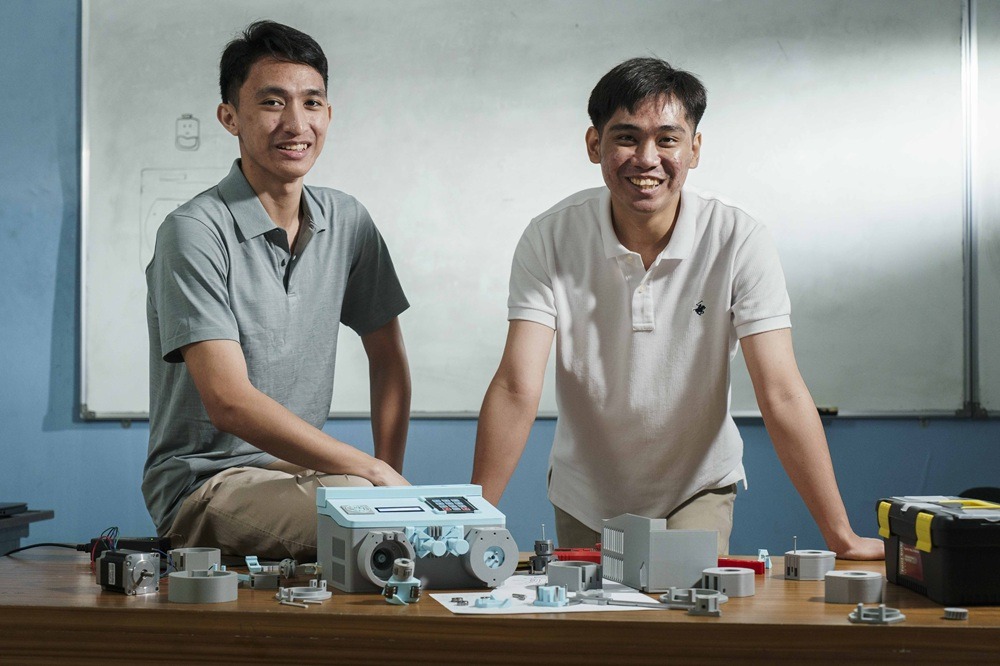
Two University of the Philippines Diliman graduates have won the Philippine leg of the James Dyson Award 2026 for developing a low-cost, semi-automated machine intended to make peritoneal dialysis easier and safer to perform at home.
Andrew Jacob Buensalido and Allyson Cabrestante developed BiDaKidney for patients with chronic kidney disease who can undergo peritoneal dialysis at home but must manage a largely manual and repetitive treatment process.
Unlike hemodialysis, which typically requires patients to visit a dialysis center, peritoneal dialysis uses the lining of the abdomen to filter the blood. Although the procedure can be performed outside a hospital, patients or caregivers must manage fluid exchanges, monitor treatment and record fluid volumes.
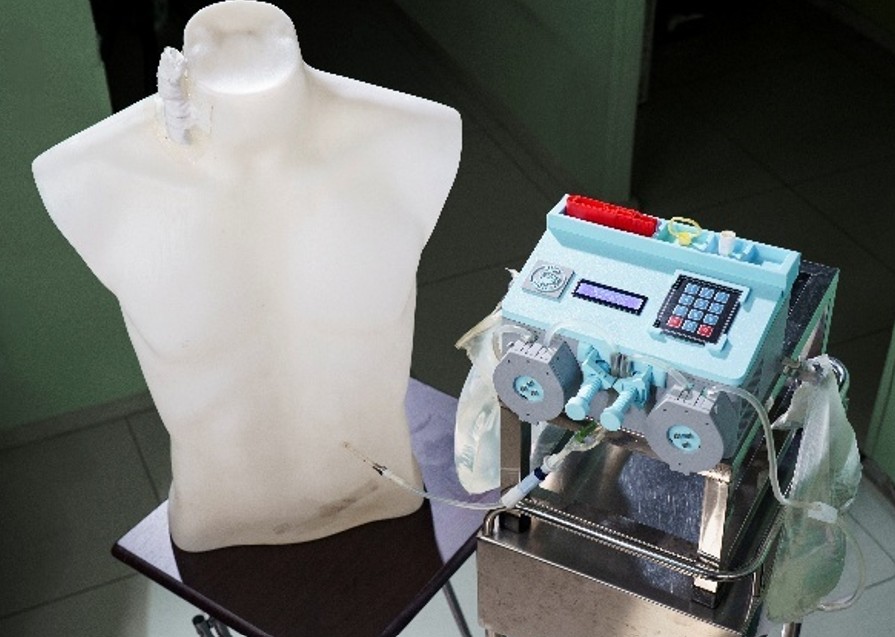
BiDaKidney automates several of those steps through a controlled pump and built-in weight sensors. The machine works with standard peritoneal dialysis supplies and can move dialysis fluid while tracking its volume during treatment.
Its developers said the system could reduce manual handling of tubing, lessen record-keeping work and help lower the risk of contamination.
“When we started BiDaKidney, we were thinking about how we could help patients spend less of their lives managing dialysis and more of their time living it,” Buensalido said.
“If treatment at home can become simpler, safer, and cheaper, patients may be able to continue their care with greater confidence and independence, while easing some of the responsibility carried by their families. Winning the James Dyson Award national prize gives us the opportunity to keep working toward that goal.”
The project received the national prize of P398,280.00 which its developers plan to use to improve the machine’s usability and safety features.
Buensalido and Cabrestante also plan to explore battery-powered operation to address power interruptions and prepare the device for formal clinical testing and a broader patient evaluation.
The team said it had received feedback from peritoneal dialysis nurses and nephrologists at a tertiary government hospital. The device has yet to undergo formal clinical testing.
“The award means a lot because it helps us continue building BiDaKidney with the people who may need it one day in mind. There are still many things we want to improve, and the prize gives us room to do that work properly. Our hope is that BiDaKidney can eventually give families another way to manage dialysis care with more confidence at home,” Cabrestante said.
Figures cited by the award organizers showed that the number of people undergoing dialysis in the Philippines rose by 22% to 64,845 in 2024 from 53,296 in 2023. Kidney disease also remains among the country’s 10 leading causes of death.
Dr. Joel Joseph Marciano, UP vice president for research and innovation and one of the national judges, said the invention addressed practical problems faced by patients and caregivers.
“BiDaKidney demonstrates how innovative engineering can help address practical challenges in healthcare. By rethinking how peritoneal dialysis can be managed at home, Andrew and Allyson are developing an approach that responds to a real challenge faced by patients and their families while supporting the wider healthcare system. It is an example of innovation grounded in real-world needs and focused on improving healthcare outcomes for Filipinos,” Marciano said.
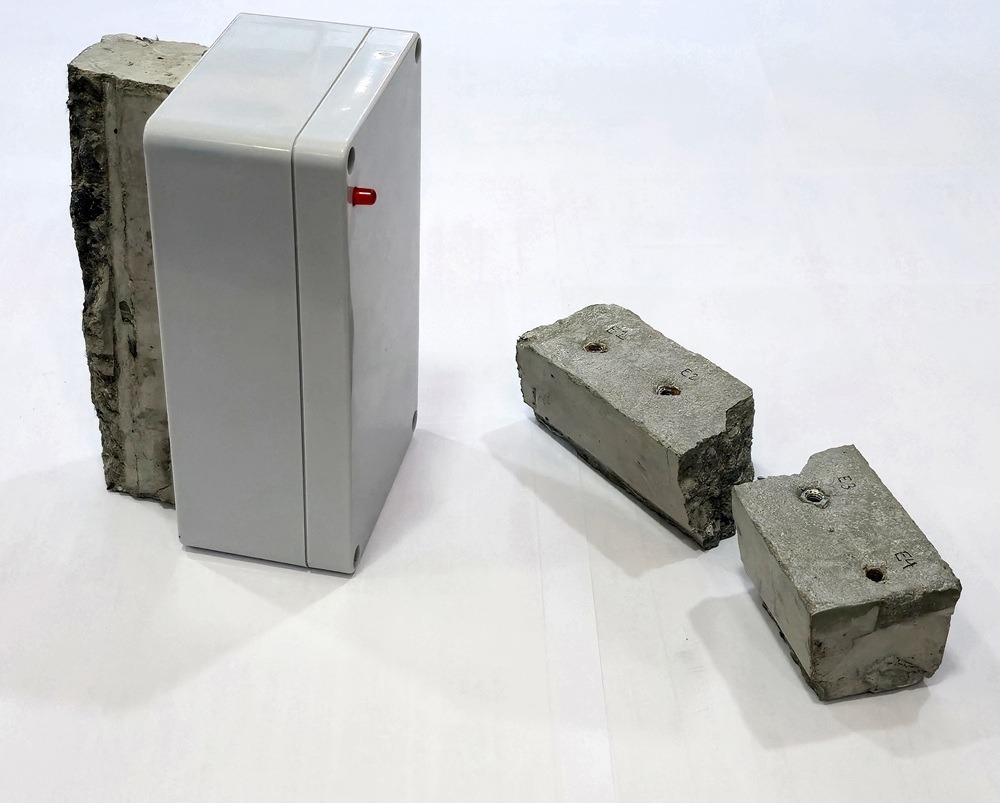
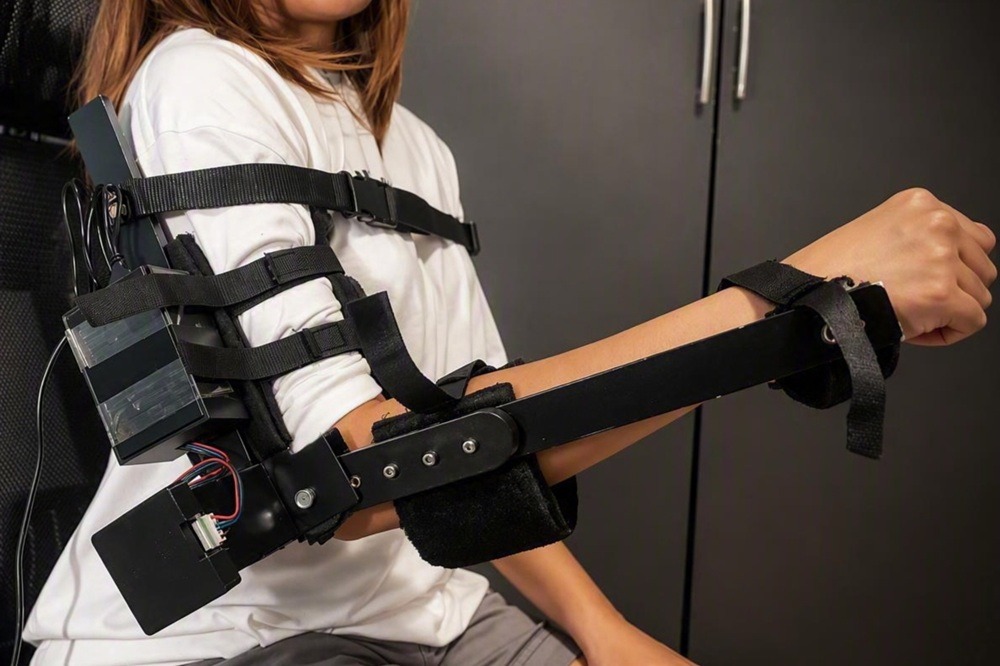
The two national runners-up were Sentinel, a sensor designed to remotely detect damage and cracks in concrete structures, and OrthoFlex, a portable robot-assisted device for the rehabilitation of stroke patients’ elbows.
All three Philippine entries will advance to the international stage. Dyson engineers will select the competition’s top 20 projects, which are scheduled to be announced on Oct. 14.
The global winners, who will each receive P2.39 million, will be announced on Nov. 4.