Six months back I thought online slots were basically garbage. The flashy nonsense, the repetitive clicking, all of it seemed completely pointless.
Then my cousin Mark changed everything.
Mark does game development for a living, and he wouldn’t shut up about how these games had evolved technically. Not the gambling angle (which still makes me uncomfortable sometimes). The actual construction of them. How studios approach design now, treat them like legitimate gaming experiences instead of just digital slot machines.
Mark made me look closer than i wanted to
He bombarded me with links to these demo slots and basically challenged me to analyze them purely as designed experiences. Forget the money aspect entirely, just examine what’s there. I was shocked by what I found when I actually paid attention.
One Tuesday, I spent 47 minutes going through different titles. Some had legitimate storylines woven through them, like actual narrative structure. One had this whole post-apocalyptic thing that gave me Mad Max vibes. Another dropped you into some fantasy universe with zombies and supernatural stuff that felt way more cinematic than I expected.
The sheer variety got to me first. You’ve got basic 3×3 setups for people wanting quick hits. Then massive 7×7 cluster formats where you’re watching chain reactions cascade across the screen. Payline counts vary wildly too, some use 20 traditional lines while others operate on completely different symbol-matching logic.
Technical details I never thought I’d care about
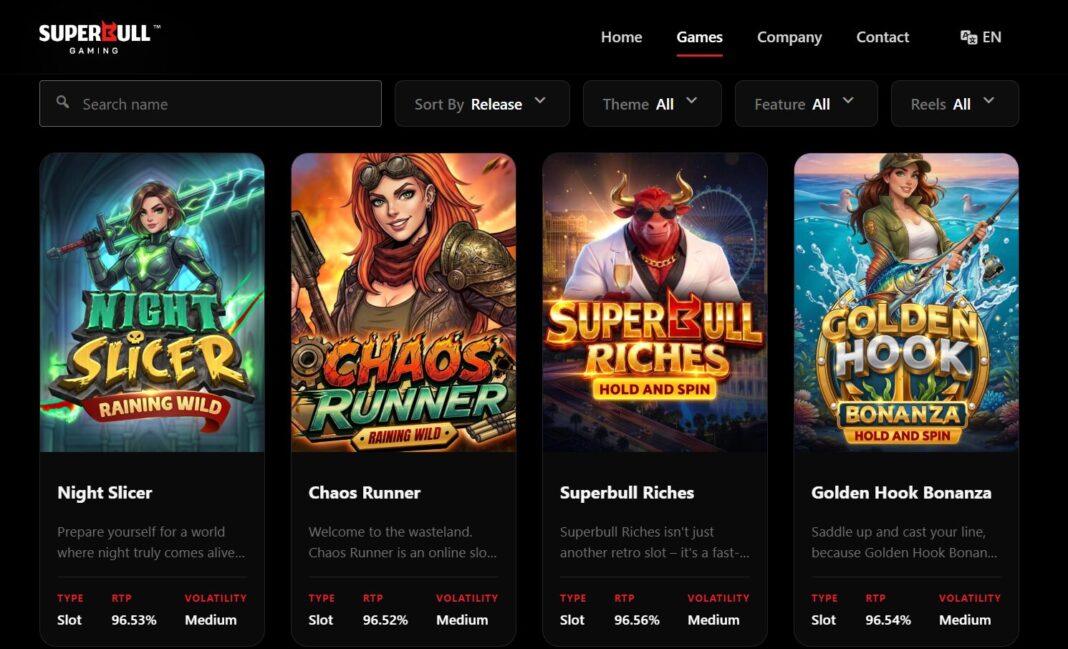
I’m not a math person. But I started recognizing how they present statistical information. RTP percentages show up consistently, usually hovering between 96.5% and 96.7%. Volatility ratings appear prominently. Feature descriptions actually explain what you’re getting into.
And here’s what clicked: RTP represents theoretical return across literally millions of spins, not your personal session. Volatility directly impacts win frequency and potential size, creating completely different play experiences. Feature mechanics like expanding wilds or respin triggers fundamentally alter how the game flows moment to moment.
Never imagined I’d spend time comparing volatility ratings. But when you’re looking at a medium volatility Western-themed fishing concept next to a high volatility fruit machine throwback, you realize how deliberately developers target specific audience preferences.
Studios are building real products now
Companies like SuperBull Gaming aren’t just mass-producing identical content anymore. Each release seems designed around particular thematic and mechanical choices. One title might lean into compact retro aesthetics with straightforward gameplay. Another commits fully to elaborate fantasy worldbuilding with layered bonus structures.
The diversity reminds me of mobile gaming’s evolution. Remember when everything tried to replicate Angry Birds? Now there’s thousands of genuinely distinct experiences available. Same transformation happening here.
Last weekend I spent two hours browsing theme variations alone. Ancient Egypt content appears constantly. Asian-influenced visual design. Aztec temple exploration. Even steampunk concepts and superhero interpretations. Quality varies significantly, but you can tell effort gets invested.
Demos completely shifted my perspective
When real money isn’t involved the entire experience changes. You’re purely engaging with mechanical systems, observing feature activation patterns, experiencing how bonus sequences actually function.
I’m not claiming I transformed into some slots superfan. But I definitely developed genuine respect for the craftsmanship involved. Creating something that needs to stay engaging whether someone plays for 30 seconds or 30 minutes demands really different design thinking compared to traditional game development.
And honestly? Some are just legitimately fun to mess with when you’re killing time. Zero commitment required, no financial risk whatsoever, purely mechanical exploration for its own sake.