The proposed Asean Digital Economy Framework Agreement (DEFA) could help micro, small and medium enterprises (MSMEs) expand into regional markets, increase their income and participate more actively in Southeast Asia’s growing digital economy.
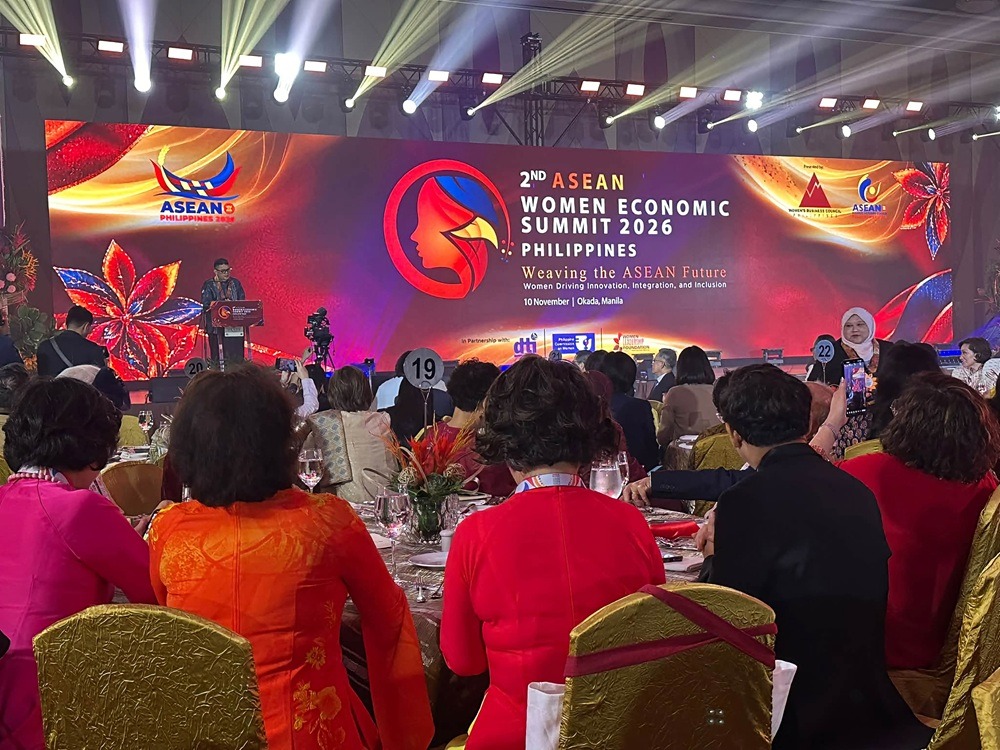
The need to translate regional commitments into greater digital access and tangible business opportunities was highlighted during the first plenary session of the 2nd Asean Women’s Economic Summit (AWES) 2026, held on Nov. 10 at Okada Manila in Parañaque City.
Moderated by broadcast journalist Cathy Yang, the panel discussion, titled “Implementing the Digital Economy Framework Agreement: Trust, Interoperability and Opportunity,” brought together Datuk Dr. Hafsah Hashim, founder and chairperson of Malaysia’s Women Leadership Foundation; Bouphamany Chounramany; and Shamina Singh, founder and president of the Mastercard Center for Inclusive Growth.
The discussion focused on how DEFA could create meaningful opportunities for businesses across Southeast Asia, particularly women-led enterprises and smaller businesses that face barriers to accessing wider markets.
Hashim emphasized the importance of moving from regional agreements to actual accessibility and income generation, with digitalization providing businesses opportunities to expand operations, reach more customers and develop new sources of revenue.
The panelists also underscored that security and trust are fundamental to digitalization. Secure online transactions, data protection and reliable digital systems are essential to building confidence among businesses and consumers and encouraging wider participation in the digital economy.
For women entrepreneurs and MSMEs, greater access to digital platforms and cross-border payment systems could make it easier to sell products and services beyond their domestic markets, connect with regional customers and participate in international supply chains.
Yang highlighted DEFA’s potential to empower some 60 million women micro-entrepreneurs across Southeast Asia, stressing the importance of ensuring that the benefits of digital integration reach smaller businesses.
DEFA is the region’s first comprehensive, region-wide digital economy agreement. Asean concluded negotiations in Manila on May 29, 2026, during the Philippines’ Asean chairship, with signing scheduled for November 14.
The agreement covers key areas including digital trade, cross-border e-commerce, electronic payments, digital identity, data protection, online consumer protection and cybersecurity. It seeks to harmonize regional rules and improve interoperability to facilitate digital transactions and business activities across Asean member states.
A study cited by Asean estimates that the region’s digital economy could reach $2 trillion by 2030 with the successful implementation of DEFA.
The agreement’s actual impact, however, will depend on how effectively member states implement its provisions and ensure that businesses have access to the necessary digital infrastructure, skills and security protections.
For MSMEs, the ultimate measure of success will be whether regional digital cooperation translates into wider market access, increased sales, higher incomes and sustainable business growth.