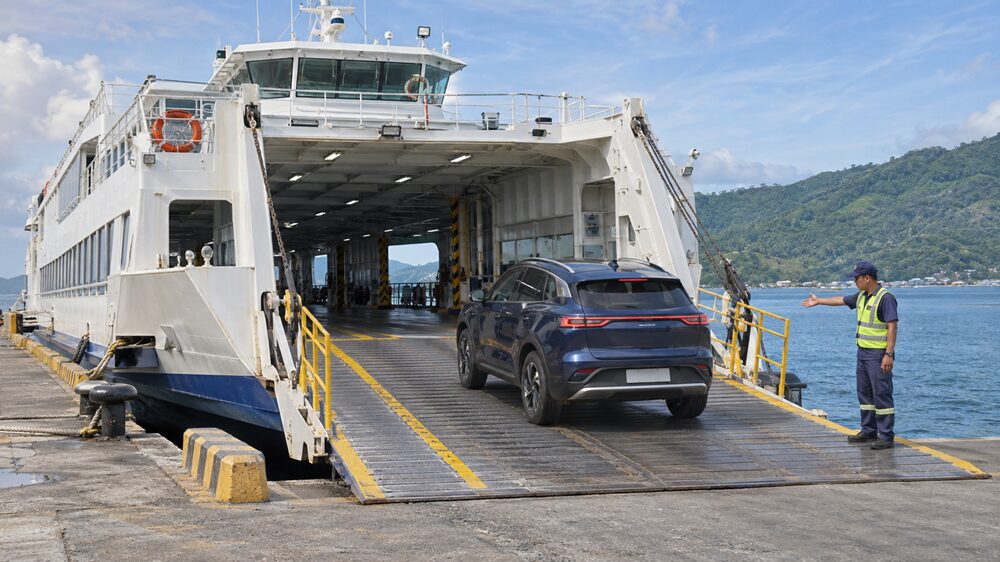
Ferry operator FastCat is urging regulators and shipping operators to agree on common safety rules for carrying electric vehicles (EVs) on ferries after several shipping lines stopped accepting EVs and hybrids following the deadly MV June Aster fire off Coron, Palawan.
Fire investigators have since found that a reaction involving hazardous cargo and intense engine heat fueled the blaze, which killed 77 people.
Mary Ann Pastrana, chairperson of FastCat operator Archipelago Philippine Ferries Corporation, said ferries could carry EVs safely if operators were prepared to handle them. She spoke during a breakout session on supply chains, logistics, and sustainability at the Asean EV Conference 2026 in Makati City.
“We are guided by evidence, not by fear,” Pastrana told delegates.
Newsbytes.PH reported in September that Montenegro Shipping Lines, Starhorse Shipping Lines, and Island Water restricted the carriage of EVs and hybrids after the Sept. 9 fire. An EV was among the vehicles aboard the June Aster.
Montenegro cited initial information suggesting the fire may have originated from an EV, while the Department of Energy urged against drawing that conclusion while the investigation was underway.
The Bureau of Fire Protection (BFP) found that calcium hypochlorite had been stored next to flammable asphalt blocks near the vessel’s hot-air exhaust outlet. A Philippine Daily Inquirer report said investigators found that the interaction between hazardous cargo and intense heat from a malfunctioning engine accelerated the spread of the fire.
The BFP filed a criminal complaint for reckless imprudence resulting in multiple homicide, multiple physical injuries, and damage to property against 16 people before the Manila City Prosecutor’s Office.
They include six crew members, three officials and employees of ferry operator Atienza Interisland Ferries, three officials and employees of cargo handler Mega Lifters Cargo Handling, and four Philippine Coast Guard personnel.
Starhorse said in September that it would review its restrictions once the Maritime Industry Authority and the Department of Energy issued clearer guidance and its vessels could meet the resulting safety requirements.