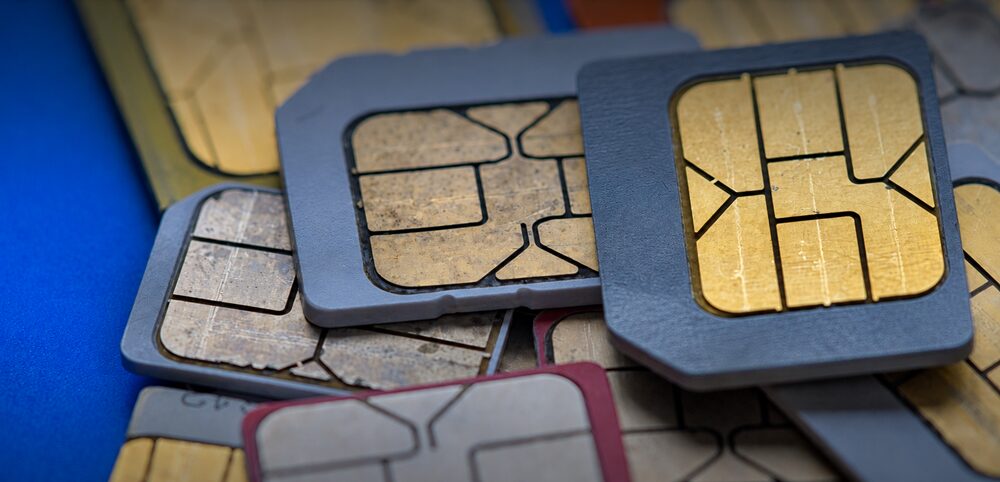
Low-cost prepaid lines and short-term data packs help explain why Philippine mobile users often add a second SIM while keeping their existing number, according to a Nov. 24 report by mobile analytics firm Opensignal.
For every smartphone in the Philippines that switched to a different telco group, 3.8 added a second SIM and kept the original line. That was the highest ratio among the seven markets Opensignal studied, ahead of Indonesia at 3.1.
A second prepaid line gives users the option to buy data from whichever network has a better offer or stronger signal where they need it. As of October 2026, Globe offered 5 GB valid for three days for P59, while Smart offered 1 GB a day for three days for P50, the report said.
The uptake of mobile number portability, which lets subscribers keep their number when they change providers, has been limited. Opensignal cited a Philippine Competition Commission study that found fewer than 0.1% of registered numbers were ported in the first three years after the service became available in September 2021. About 80% of respondents in the commission’s survey were unaware of the law.
Budget prepaid brands accounted for much of the activity. Smart’s TNT and Globe’s TM took 46.8% of second SIM additions, compared with 38.7% of outright switches. About two-thirds of second SIMs came from a different telco group than the original line.
“Subscriber counts and switching figures miss part of what a second SIM changes: who carries the data,” report authors Riko Ringgoanto and Robert Wyrzykowski wrote.
Nearly one in four second SIMs became the phone’s default for mobile data in the month it was added. About 83% of those changes shifted the default data connection to a rival telco group, giving the new provider a chance to pick up prepaid data purchases while the original line stayed on the phone.
The analysis tracked Android phones that reported both SIM slots from October 2025 through September 2026.