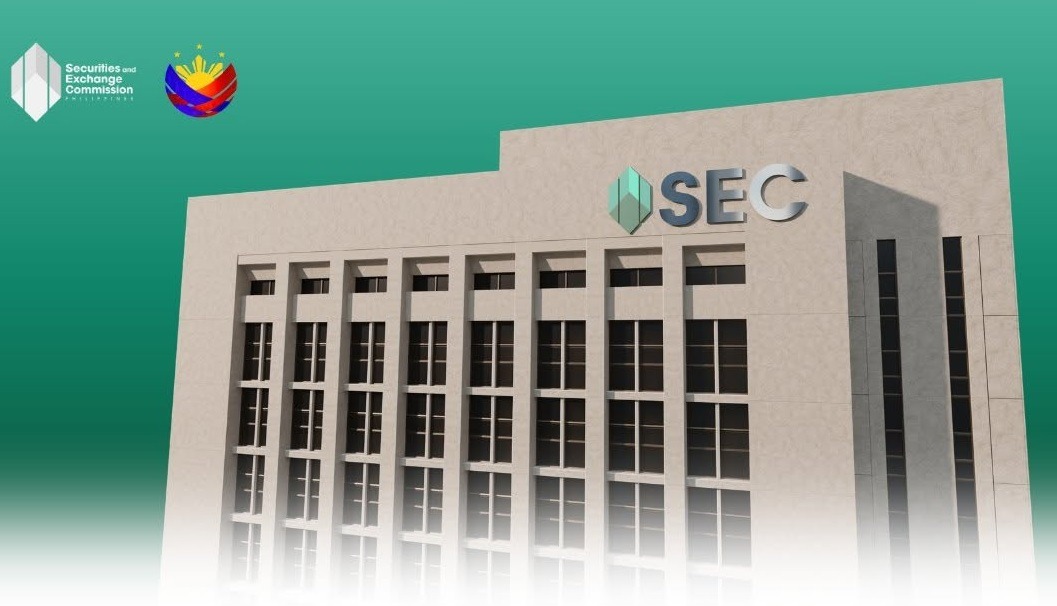
The Securities and Exchange Commission (SEC) is reopening the online lending app market nearly five years after freezing new entrants, but is doing so under a stricter regulatory regime meant to curb the abusive and predatory practices that have long dogged the sector.
In Memorandum Circular No. 20, Series of 2026, issued on July 7, the SEC lifted the moratorium on new online lending platforms (OLPs) effective Aug. 1 and imposed a new set of disclosure, capital, and compliance rules on financing and lending companies that use digital channels to offer credit.
The circular applies to newly registered, existing, and prospective financing and lending companies using mobile apps, websites, and other digital platforms to reach borrowers.
The SEC said the new framework is intended to strengthen consumer protection through enhanced disclosure requirements, responsible lending practices, fair collection standards, and tighter oversight of digital lending activities.
“As we open the doors to new OLPs, we are making it clear that the SEC welcomes and promotes financial innovation but will not tolerate the proliferation of predatory and unfair lending practices,” SEC chairperson Francis Lim said.
“Our goal is to foster a safe, transparent, and competitive online lending environment where both legitimate businesses and Filipino consumers can thrive through necessary consumer safeguards and reporting mechanisms outlined in this new memorandum circular,” he added.
The move effectively marks the SEC’s attempt to restart growth in the online lending industry without repeating the regulatory failures that prompted the moratorium in the first place.
But while the market is reopening, the commission is making clear that approval will no longer be automatic. Only licensed financing companies (FCs) and lending companies (LCs) that comply with the new rules will be allowed to operate borrower-facing online lending platforms.
Among the biggest changes are new paid-up capital requirements that rise depending on how many online lending platforms a company operates.
Financing companies without OLPs must maintain at least P15 million in paid-up capital, while lending companies must have at least P5 million.
For companies operating online platforms, the capital requirement increases as more apps are added, reaching up to P100 million for financing companies with five OLPs and P50 million for lending companies with the same number.
The SEC also capped the number of OLPs each financing or lending company can operate at five, saying the move is intended to limit systemic risks and reduce the risk of excessive consumer debt exposure.
Existing firms will not be required to immediately adjust their capital unless they expand operations, but those that do will have one year from the effectivity of the circular to comply.
The regulator is also tightening operational oversight. Companies must disclose and keep updated information on each online lending platform they use, including the app or website name, borrower-facing identity, domain names, and platform links.
The SEC may refuse, suspend, delist, reclassify, or modify an OLP’s recording if it finds violations of the new guidelines or other laws and regulations.
The circular also introduces a single certificate of authority policy, meaning financing and lending companies will now hold just one SEC certificate covering all of their lending activities, including those conducted through online lending platforms.
OLPs themselves will no longer be treated as separately authorized units, but merely as borrower-facing channels of a licensed lender.
In another compliance requirement, all financing and lending companies operating OLPs must register with the Credit Information Corporation and regularly submit complete and accurate credit data, in line with the Credit Information System Act.