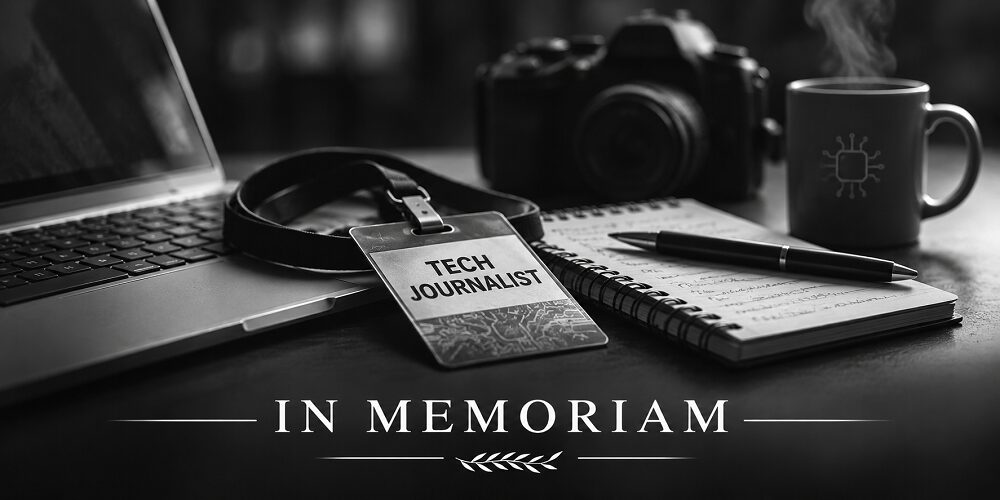
As Filipinos observe All Souls’ Day, the Philippine technology journalism community remembers colleagues who devoted their careers to covering an industry that would eventually reshape how people communicate, work, do business, and access information.
Long before smartphones, social media, artificial intelligence, and digital payments became regular subjects of news coverage, a generation of journalists was already reporting on computers, software, telecommunications, and the people building the country’s information technology industry.
They worked in specialist publications, newspaper technology sections, and trade magazines at a time when technology reporting was still finding its place in Philippine newsrooms.
Some later moved to digital publishing, corporate communications, television, and technology entrepreneurship, while others continued writing for newspapers and specialist publications.
Their careers took different paths, but their work became part of the record of an industry that grew from a specialized beat into a major force in business, government, and society.
Joey Alarilla
Jose Maria “Joey” Alarilla, who died in July 2024 at 52, belonged to the generation that helped establish technology journalism in the Philippines during the 1990s.

He began his career at Metropolitan Computer Times before joining the Philippine Daily Inquirer, where he wrote for its Infotech section and covered other beats, including science and health.
Alarilla became active in Cyberpress or the IT Journalists Association of the Philippines and eventually served as its president. This pioneering organization brought together nearly all technology journalists at the time, providing a common platform that united them under one professional umbrella.
He also joined INQ7.net, the online venture formed by the Inquirer and GMA-7, as the Philippine news industry began establishing a presence on the Internet.
His career later extended into online gaming, Yahoo Philippines, social media, and technology advocacy. In 2020, he founded Digital Life Asia, a publication covering technology, gaming, science, and other subjects.
He was also an award-winning literary writer after winning a Palanca award for his tech-theme essay, “Surviving the Zeroes”, which he dedicated to his millennial daughter. In his final years, he documented his experience as a cancer patient through his website, “A Life More Ordinary”.
Alarilla’s career reflected the expanding possibilities for journalists who could move between traditional newsrooms, digital publishing, and the technology industry itself.
Relly Carpio
Relly de Guzman Carpio, who died in August 2014 at 39, covered technology and gaming, eventually serving as managing editor of gaming website Playground.PH.

Carpio was known for his unconventional approach to journalism. His willingness to challenge established practices was evident during his years as a campus journalist at Miriam College, where his writing became the subject of a dispute with school officials that reached the Supreme Court.
A massive stroke in 2011 left him bedridden and forced him away from the newsroom.
His death in 2014 ended a career that had taken him from campus journalism to technology and gaming coverage. His story also underscored the personal struggles that can remain largely unseen behind a journalist’s public work.
Ike Suarez
Ma. Enrique “Ike” Suarez, who died in April 2019 at 67, was among the journalists who covered the emergence of the Philippine IT industry in the early 1990s. He died from complications of diabetes.
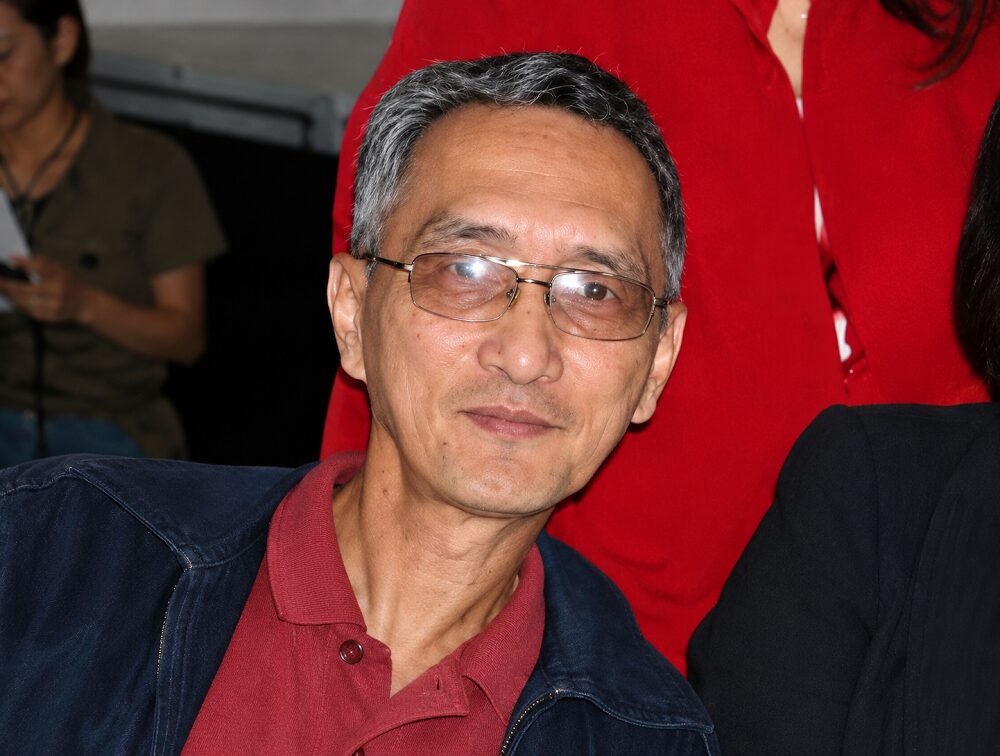
He began his technology journalism career at Metropolitan Computer Times before moving to IT Update, where he served as associate editor. He also wrote for the IT section of The Manila Times and other print and online publications.
Suarez was known in technology circles for his tenacity and willingness to ask difficult questions during press events. He continued reporting into his later years, with Newsbytes.PH among his final engagements as a technology reporter.
Before entering the technology beat, Suarez had been part of the “mosquito press” that opposed the Marcos dictatorship in the 1980s.
His career thus spanned two important periods in Philippine journalism: the struggle for press freedom and the emergence of technology as a major force in national development.
Melba Valdez-Bernad
Melba Valdez-Bernad died in February 2021 at 49 after a long battle with breast cancer. Her career in technology journalism spanned almost three decades.

She joined Computerworld Philippines in December 1993 and eventually became its editor, leaving the publication in 2013. She subsequently edited regional technology and business publications, including Networks Asia, SMBWorld Asia, and CFO Innovation Asia.
Valdez-Bernad received Catholic Mass Media Awards for news coverage in 2003 and 2004 and was among the recipients of the first Philippine Cyberpress Journalism Award.
At the time of her death, she was co-publisher and editor-in-chief of Upgrade Magazine, an online publication covering enterprise and consumer IT. She also co-published and edited its lifestyle counterpart, Zest Magazine.
Her career demonstrated the breadth of technology journalism, from enterprise computing and business technology to consumer IT and online publishing.
Jim Ayson
James “Jim” Ayson, who died in November 2015 at 53, documented the Philippines’ transition from the personal computer era to the Internet and the rise of social media.

One of the country’s early technology writers, Ayson began at Metropolitan Computer Times, where he wrote a column titled “Over A Stack of Diskettes.”
He later contributed to publications including PC Digest, Computerworld Philippines, Business Day Magazine, Enterprise, Entrepreneur Magazine, Mobile Philippines, and The Reviewer.
His interests extended beyond computer hardware and software. He followed the development of online communities, mobile Internet, applications, digital music distribution, and social media.
Ayson also created PhilMusic.com in 1997, combining his interest in music with his work in digital publishing. He later worked at Smart Communications, where he headed a team responsible for Internet and media partnerships.
His efforts to document the country’s Internet history, including his push to commemorate the 20th anniversary of the Philippine Internet in 2014, reflected his recognition that the technology was changing not only communications but also the economy and everyday life.
Ayson’s career bridged technology journalism and the digital industry he covered.
Max Limpag
Max Limpag, a Cebu-based technology journalist, digital media entrepreneur, and startup founder, died in November 2025 at 49.

He spent 16 years at Sun.Star Cebu as business editor, online editor, and technology columnist, helping guide the regional newsroom through the transition to digital publishing.
Beyond journalism, Limpag co-founded InnoPub Media, the startup behind the Digital Tourism project with Smart Communications. The initiative used QR codes, mobile guides, and electronic publications to make tourism and heritage information accessible through smartphones.
He also co-founded MyCebu.ph, a hyperlocal digital platform, and created CebuRunning, a website for the running community. His personal blog received recognition at the Philippine Blog Awards, while CebuRunning was also recognized for its coverage of sports.
Limpag’s work extended into investigative journalism. As an Aries Rufo Journalism Fellow at Rappler in 2024, he pursued long-form reporting, including an investigation into a scam targeting self-published authors in the United States.
His career represented a generation of journalists who did more than report on digital transformation. They built platforms, applications, and services that helped make it possible.
Ronald James “RJ” Panis
RJ Panis, who wrote for ComputerWorld, was a brilliant writer from Naga City whose life ended prematurely.

An alumnus of Ateneo de Naga University and the University of the Philippines College of Mass Communication, Panis belonged to a generation of journalists who covered the country’s growing IT industry through specialist publications.
He died while still very young. His death has been described as resulting from acute hemorrhagic pancreatitis or severe sleep-related respiratory distress.
His passing deprived the journalism community of a talented writer whose career still had much room to grow.
Antonio “Tony” Paño
Antonio “Tony” Paño, the technology editor of The Philippine Star, was one of the pioneers of technology journalism in the country.
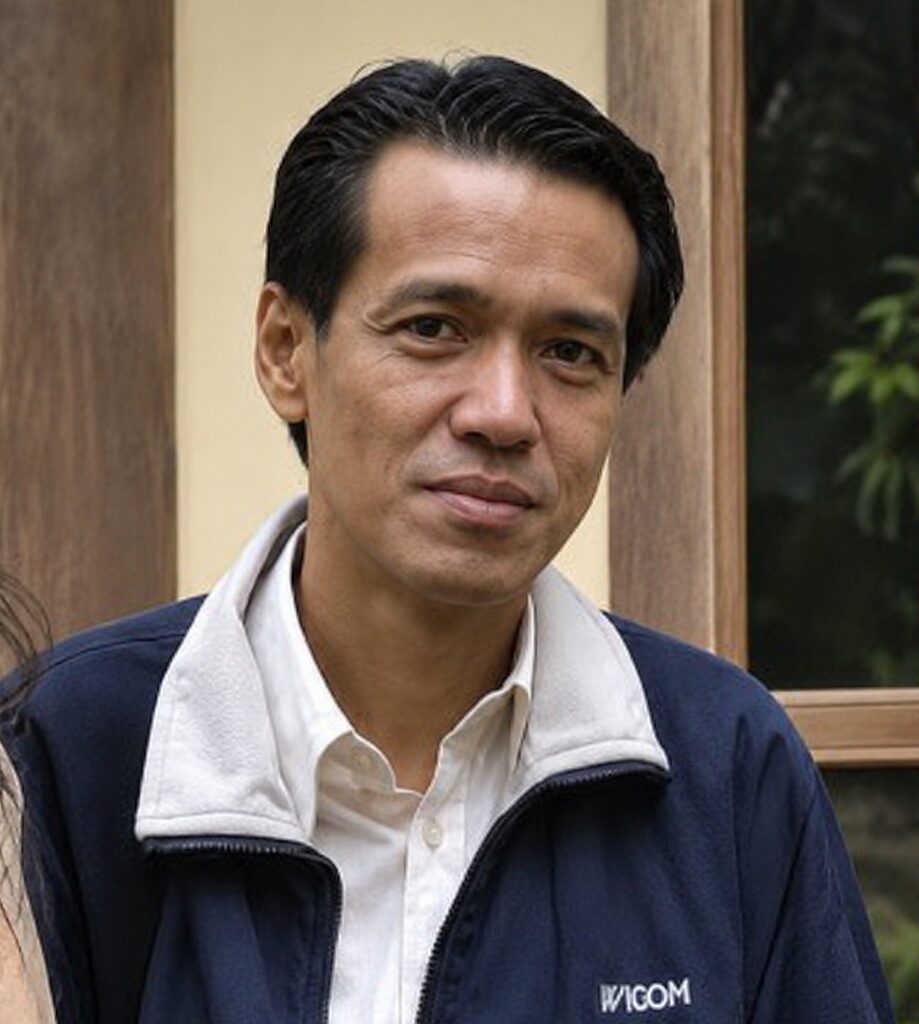
Aside from handling the newspaper’s IT section, he also edited its travel and nation pages. He was an accountant by training.
Paño was a frequent speaker at journalism seminars, particularly the Department of Education’s National Secondary Schools Press Conference, where he shared his newsroom experience with aspiring campus journalists.
His participation in these seminars extended his contribution beyond newspaper reporting. By sharing his experience with students, he helped introduce younger generations to the discipline and responsibilities of journalism.
Paño’s career reflected the importance of technology editors in bringing IT coverage to a broader newspaper audience while helping nurture the next generation of Filipino journalists.
Betty Daguio
Betty Daguio was among the journalists who covered the Philippine IT industry through specialist publications such as Metropolitan Computer Times and ComputerWorld.

Daguio eventually transitioned from journalism to the corporate world before migrating to the United States, where she later died.
Her career reflects one of the paths taken by technology journalists whose experience covering the industry opened opportunities beyond the newsroom.
Alfredo “Bronx” Hebrona
Alfredo “Bronx” Hebrona was among the pioneering technology journalists at BusinessWorld who covered the beat when technology reporting was still taking shape in the Philippines.

He was part of an early team of technology writers that included Onnie Silva, Helen Andrade-Jimenez, and Patty Nisperos. The group, led by the late Mike Marasigan, helped establish technology as a regular subject of business journalism at a time when the local industry was still in its formative years.
Hebrona also served as president of Cyberpress, the country’s organization of technology journalists, where he was part of efforts to bring together journalists covering the country’s technology and telecommunications industries
He later pursued work in entrepreneurship development, business mentoring, and the promotion of local industries, particularly in the Soccsksargen region.
A journalism graduate of the University of the Philippines Diliman, Hebrona also served as chairman of the board of the UP Alumni Association Socsargen.
His journey from the early days of technology journalism to entrepreneurship development reflected a career that extended beyond the newsroom, connecting journalism, business, and community development.
Tony Maghirang
Tony Maghirang, a longtime technology columnist for The Manila Times, died in September 2026 at the age of 71.
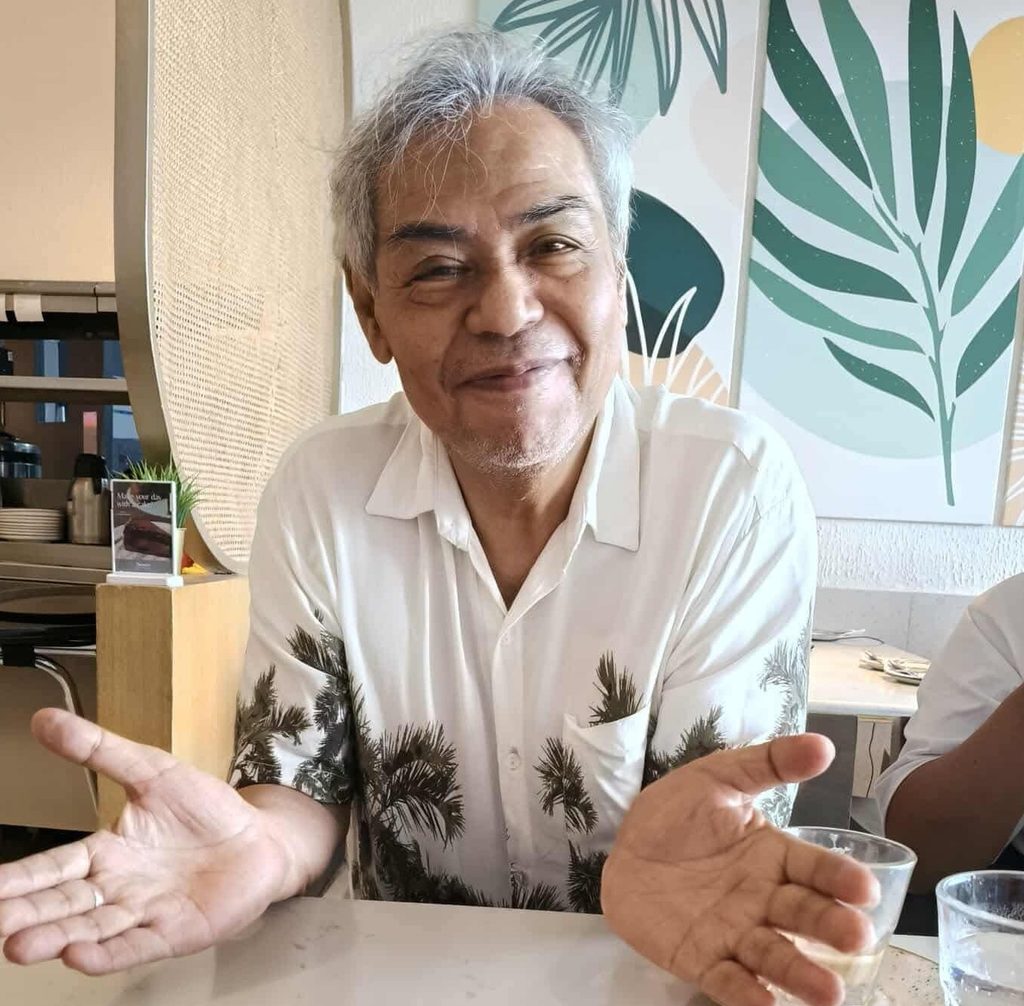
A hardcore music writer, Maghirang was also part of a generation of journalists who helped establish technology reporting as a regular fixture of Philippine business journalism.
He was also among the pioneering writers of Jingle, a seminal Philippine music magazine, before moving into technology journalism through IT Update and eventually joining The Manila Times.
His work chronicled developments in the information technology industry, helping readers understand the changes reshaping businesses and an increasingly digital economy.
Jose “Pipoi” Sumpay
Jose “Pipoy” Sumpay, technology editor of the defunct newspaper Today, was among the members of the Philippine media community who died during the Covid-19 pandemic.

Beyond technology journalism, Sumpay also worked at various television networks, including GMA-7 and TV5, giving him experience across different parts of the Philippine media industry.
Those who knew him remember a generous and kind soul, qualities that made his loss felt beyond the publications and newsrooms where he worked.
Gerry Plaza
Gerry Plaza was a prolific technology journalist who wrote for IT Update before transitioning to entertainment writing for ABS-CBN.

His career illustrates the range of opportunities available to journalists who developed their skills covering the technology industry and later applied their reporting and writing experience to another field.
Plaza eventually brought his writing experience into entertainment journalism, demonstrating how journalists could move between specialized reporting and mainstream media while continuing to work in the profession.
Faye Ilogon Valencia
Faye Ilogon Valencia, a writer and editor with more than two decades of experience in Philippine media, died in June 2025 after a prolonged health struggle that began when she suffered a stroke in 2023.

Following the stroke, Valencia was hospitalized and spent more than two months in the intensive care unit before her eventual passing.
A graduate of the University of the Philippines-Diliman, where she earned degrees in BA English Studies, major in Creative Writing, and Bachelor of Library Science, Valencia built a career spanning print and digital media.
Her professional experience included writing and editing for publications such as the Manila Bulletin and Metropolitan Computer Times, as well as online platforms including Newsbytes.PH, SPOT.ph, Yahoo! Philippines, ANC-Yahoo!, and Esquiremag.ph.
Beyond newsroom work, she also wrote sponsored content for various brands and took on commissioned projects, including biographies, research papers, and bid books for a diverse range of clients.
Riza Olchondra
Riza Olchondra was primarily a business reporter for the Philippine Daily Inquirer, where she spent more than a decade covering developments in the corporate and business sectors.
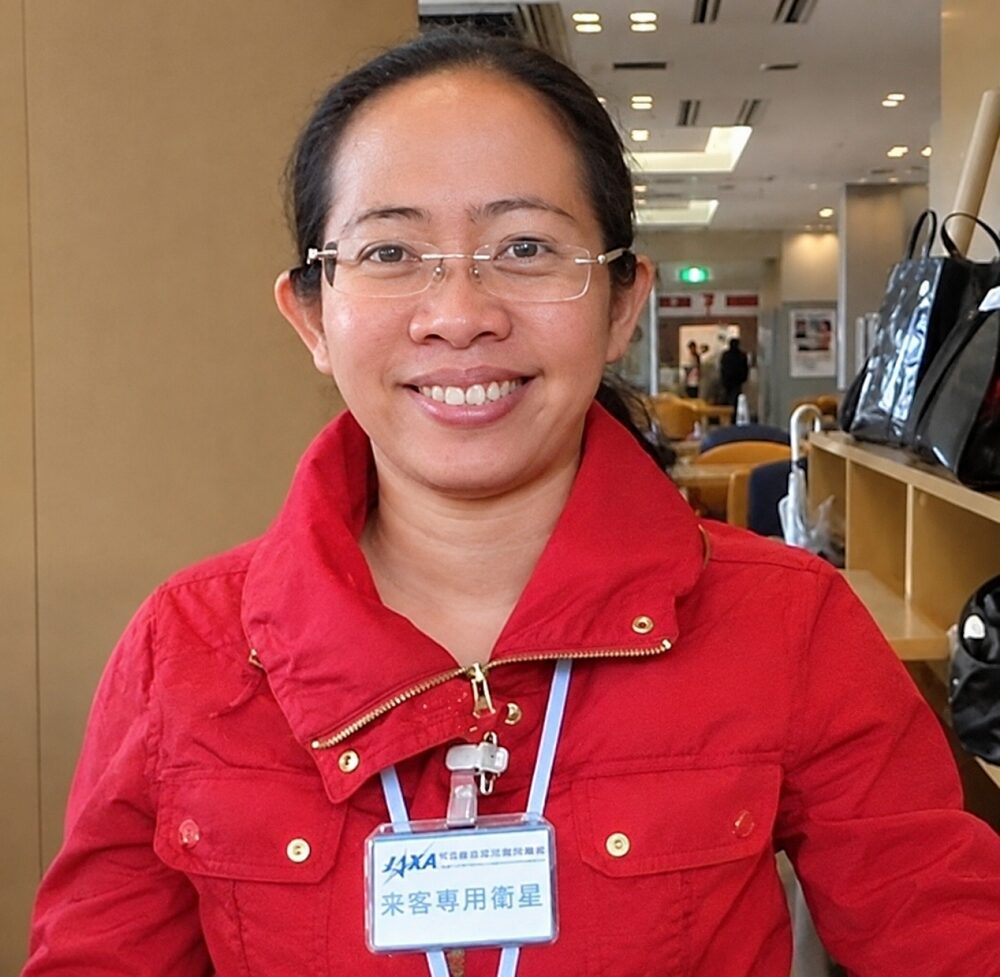
She, however, also covered technology, contributing to the newspaper’s reporting on an industry that was becoming increasingly important to the Philippine economy.
Beyond her newsroom work, Olchondra was active in the country’s technology journalism community. She served as a board director of the IT Journalists Association of the Philippines, also known as Cyberpress, from 2010 to 2011. She was also involved in the Economic Journalists Association of the Philippines and the Philippine Agricultural Journalists Inc.
An Ateneo de Manila University graduate, Olchondra earned a Bachelor of Arts degree in Communication Arts, with studies in Japanese. Her academic background and professional experience reflected a broad interest in journalism and the different sectors she covered.
She died on September 23, 2016, after bravely battling ovarian cancer.
Her passing was a loss to the Philippine journalism community, particularly to colleagues who worked alongside her in business and technology reporting.
Carmelo “Melo” Acuña
Veteran journalist Carmelo “Melo” Acuña was among the media professionals who died during the Covid-19 pandemic. He passed away in August 2021 at the age of 64.

Acuña covered the technology industry and was a member of the IT Journalists Association of the Philippines, also known as Cyberpress, joining fellow journalists who reported on developments in the country’s technology and telecommunications sectors.
At the time of his death, he was an accredited broadcast journalist with the Kapisanan ng mga Brodkaster ng Pilipinas (KBP). He was also an active member of the Foreign Correspondents Association of the Philippines (FOCAP), where he previously served as a board director.
Beyond his reporting work, Acuña hosted weekly media forums that brought together government officials, industry representatives, and analysts to discuss major national issues.
He was also associated with the Catholic Bishops’ Conference of the Philippines (CBCP), extending his work into coverage and discussions involving the Church.
Enzo Luna
Enzo Luna, known online as “The Metropoler” and “Juan Manila,” was a journalist, blogger, and digital commentator whose work reached audiences through blogs, social media, and mainstream media.

Luna died in February 2024 at a relatively young age of 51.
He contributed to the Manila Bulletin’s Tech News section while building an online presence through his two personas.
As The Metropoler, he became known for commentary on political and social issues, while Juan Manila offered readers a more personal perspective through anecdotes and reflections.
His work extended beyond technology reporting. He used his platforms to discuss social justice, raise awareness of issues affecting marginalized communities, and support community initiatives.
Remembering the people behind the bylines
The deaths of these journalists span different years and circumstances. Some died relatively young, while others had spent decades covering the industry. Their work appeared in different publications and reached different audiences.
What connects them is the period they helped document.
They covered technology when computers were still a specialized subject, when the Internet was only beginning to change communications, and when digital services had yet to become part of everyday life for millions of Filipinos.
The industry has since moved through successive waves of change, from personal computing and mobile phones to broadband, social media, cloud services, digital payments, and artificial intelligence. The vocabulary of the beat has changed, as have the platforms through which news reaches readers.
Some of these journalists also helped build the digital world they covered. They established websites, developed online communities, moved into digital publishing, and explored how technology could serve business, culture, and public information.
Their work reminds succeeding generations that technology journalism is not merely about reporting product launches or repeating corporate announcements. It requires journalists who can explain complex developments, question corporate and government claims, examine the effects of innovation on society, and document how technology changes people’s lives.
On All Souls’ Day, remembering these colleagues is also an opportunity to recognize the people who helped build the foundations of Philippine technology journalism. Their bylines belong to a period when the beat was still taking shape, and their work remains part of the record of how the country entered the digital age.
They may no longer be in the newsroom, but their contributions remain in the stories they wrote, the publications they helped build, the colleagues they mentored, and the history they left for succeeding generations of technology journalists to continue documenting.