
The idea of the “modern woman” has long moved past simple archetypes. Today, she is just as likely to be leading a meeting as she is managing a household, building a business, or carving out time for herself in between. The shift is not just cultural — it is increasingly technological.
Across homes, a new layer of invisible support is emerging: smart appliances and connected devices designed not to redefine roles, but to reduce friction in everyday life.
Electronics firm TCL is positioning itself within this shift, framing its products less as gadgets and more as infrastructure for modern living. The pitch is straightforward — technology that quietly absorbs routine burdens so users can focus elsewhere.
“Women today are shaping their own paths and redefining what it means to live with purpose and balance. At TCL, we design our innovations to seamlessly support their lifestyles, helping simplify everyday routines so they can focus more on the things that inspire, empower, and bring joy to their lives,” said Shae Yu Ling, deputy marketing director at TCL.
That framing reflects a broader trend in consumer tech: the move away from feature-heavy marketing toward lifestyle integration.
From screens to systems
Television, long positioned as a centerpiece of leisure, is now marketed as part of personal downtime — a controlled escape rather than passive entertainment. TCL’s high-end displays, for instance, are pitched as tools for “me time,” tapping into the growing emphasis on self-care routines at home.

Similarly, air conditioning units are no longer just about cooling. They are being reframed as wellness devices, tied to air quality and overall health — a subtle but telling shift as consumers become more conscious of indoor environments.
Laundry machines and refrigerators follow the same trajectory: less about raw capacity, more about time saved, mental load reduced, and space optimized.
The invisible workload
What these devices are really targeting is the “invisible workload” — the cognitive and logistical effort required to keep a household running.
For many women, especially those balancing careers and family responsibilities, this workload can be as demanding as any formal job. Technology that reduces decision-making, shortens task cycles, or automates routine processes becomes less about convenience and more about reclaiming time.
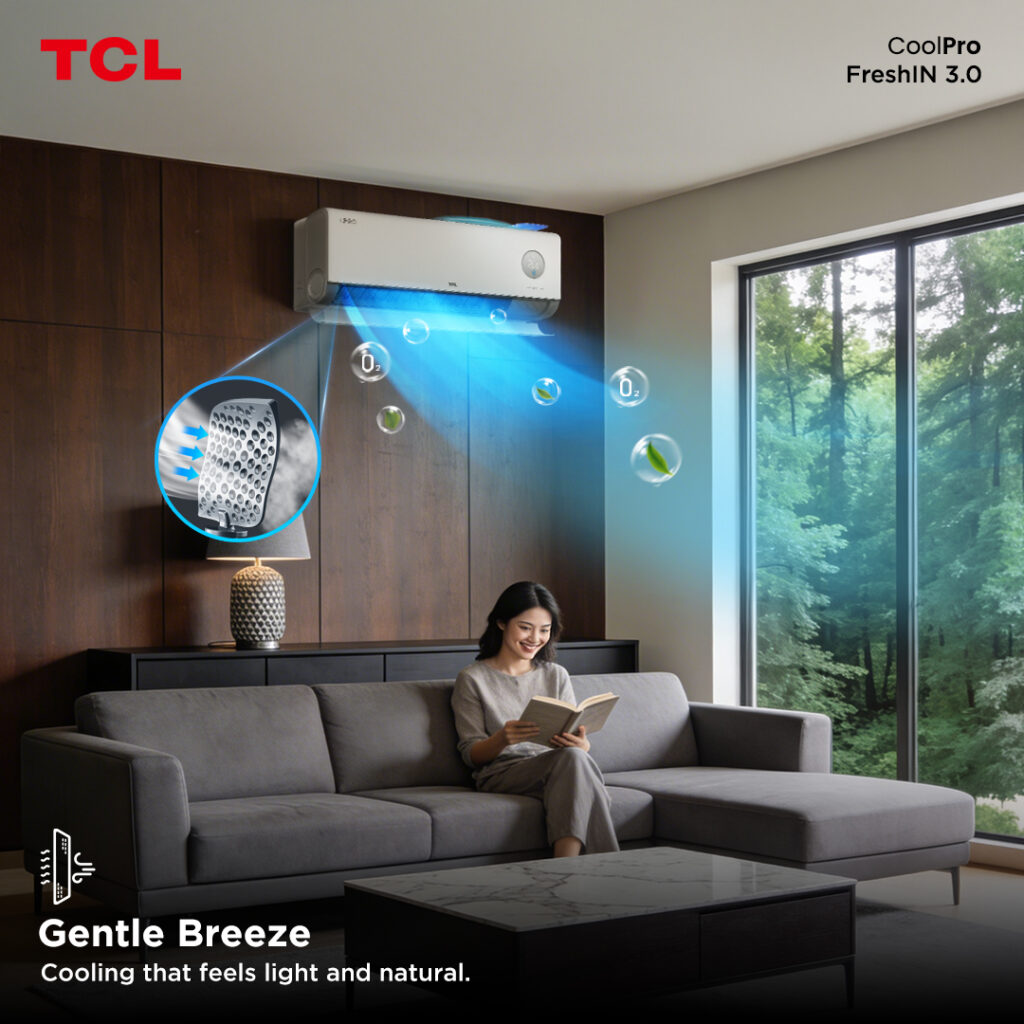
In that sense, appliances like large-capacity washing machines or space-efficient refrigerators are being marketed as tools for autonomy — enabling users to shift attention from chores to priorities that matter more to them.
A quiet recalibration
The messaging is notable for what it avoids. Instead of explicitly redefining gender roles, it acknowledges the reality that many women still carry multiple responsibilities — and positions technology as a practical response.
It is a quieter, more incremental recalibration of domestic life: not a revolution, but a gradual easing of its pressures.
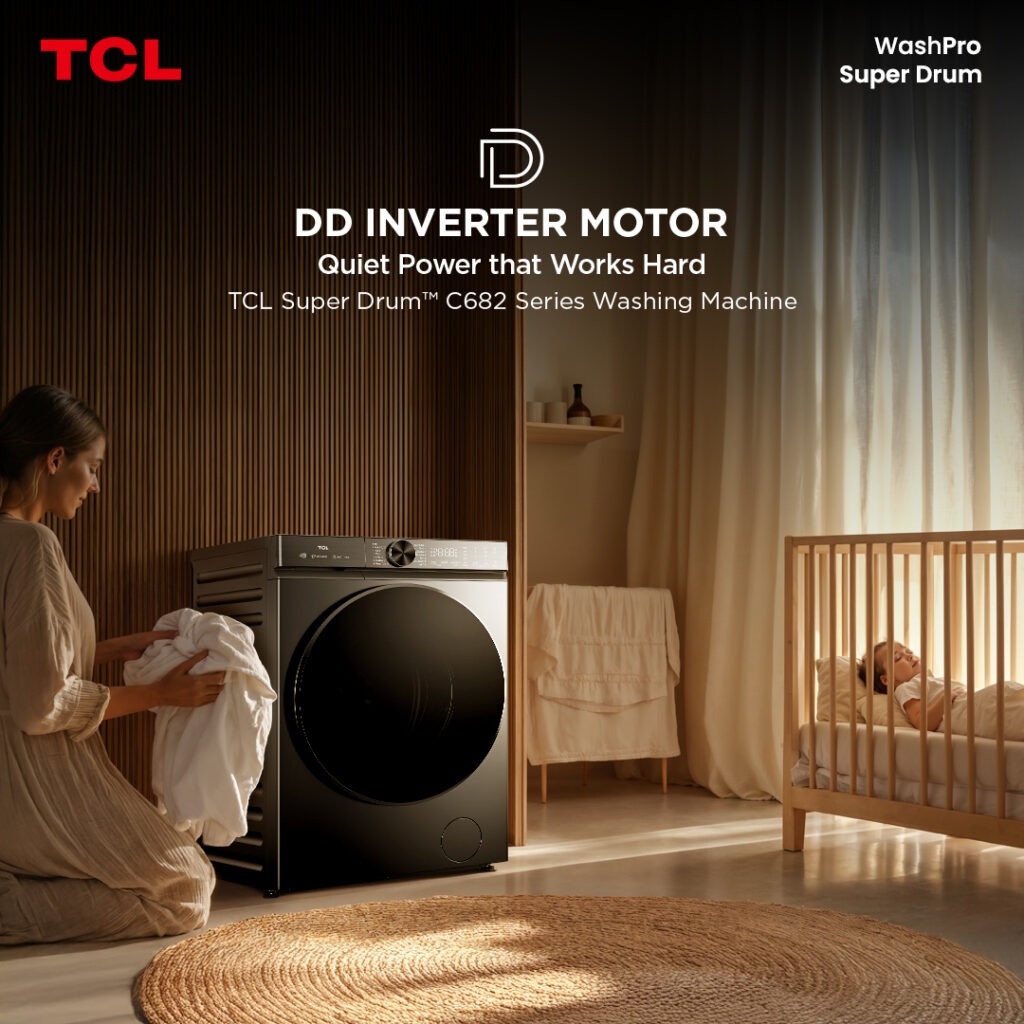
As smart home ecosystems continue to expand, the question is less about what devices can do, and more about what they free people to do instead.
For now, the answer seems simple — a little more time, a little less friction, and a growing sense that the home itself can work in the background.