
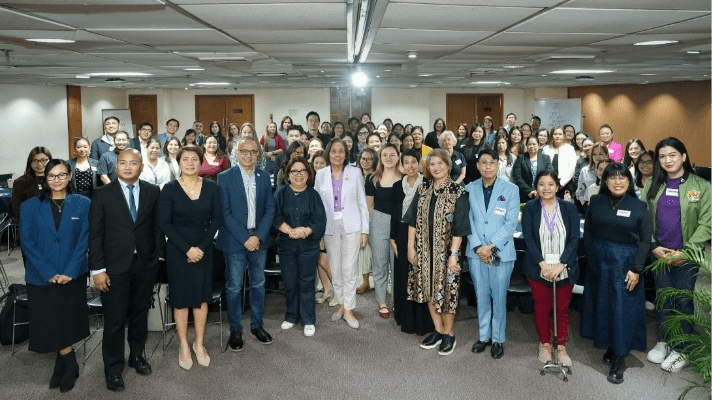
The Philippine Business Coalition for Women Empowerment (PBCWE) has called on companies to strengthen safeguards against digital risks facing women as artificial intelligence becomes more embedded in workplace systems.
During an International Women’s Day forum held at the AIM Conference Center Manila, business leaders and technology advocates highlighted how online harms — cranging from harassment and cyberstalking to image-based abuse and algorithmic bias — are increasingly affecting women in professional settings.
Organizers said these risks, collectively described as technology-facilitated gender-based violence (TFGBV), are intensifying as more workplace processes shift to digital platforms and AI-driven tools. Despite existing laws, many organizations remain unprepared to respond to such threats, they added.
In her keynote, Rhea Luz Valbuena of Asia Pacific College said companies must treat digital safety and AI governance as core leadership responsibilities, noting that AI systems now influence decisions on hiring, promotion, and access to opportunities.
She warned that without proper oversight, “technology can amplify inequality,” particularly as women remain underrepresented in AI development and decision-making roles.
Nadya Lazaro, PBCWE training manager, outlined the range of online harms affecting women employees, including doxxing, trolling, and gendered misinformation.
She urged employers to adopt preventive measures such as anonymous reporting systems, digital ethics training, and regular audits of workplace technologies.
A panel of corporate representatives also shared approaches to managing digital risks, including defining online misconduct, strengthening internal reporting systems, and adopting AI governance frameworks.
Speakers emphasized that AI should support, rather than replace, human judgment, especially in areas prone to bias and discrimination.
In closing, PBCWE executive director Julia Abad said companies must ensure that technology adoption does not undermine gender equality in the workplace.
“Technology must not automate inequality, it must help close gaps,” Abad said.


