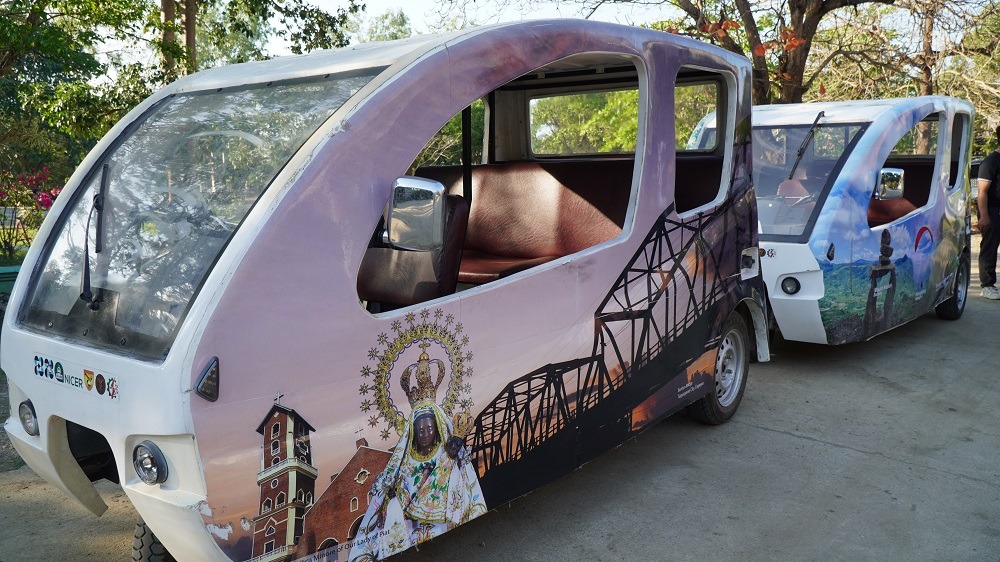
The Department of Science and Technology (DOST) is pushing for wider adoption of locally developed electric vehicle (EV) technologies as rising fuel prices continue to burden Filipino commuters and transport operators.
Through the Philippine Council for Industry, Energy, and Emerging Technology Research and Development (PCIEERD), the agency is promoting homegrown e-mobility solutions as a cost-saving and environmentally sustainable alternative to conventional transport.
DOST secretary Renato U. Solidum Jr. said government investments in local EV research are now becoming more relevant amid volatile global fuel prices.
“We made smart, long-term investments in Filipino e-mobility research. With the continuing rise of global fuel prices, these technologies offer a real, practical way for Filipinos to save on costs while contributing to cleaner communities,” he said.
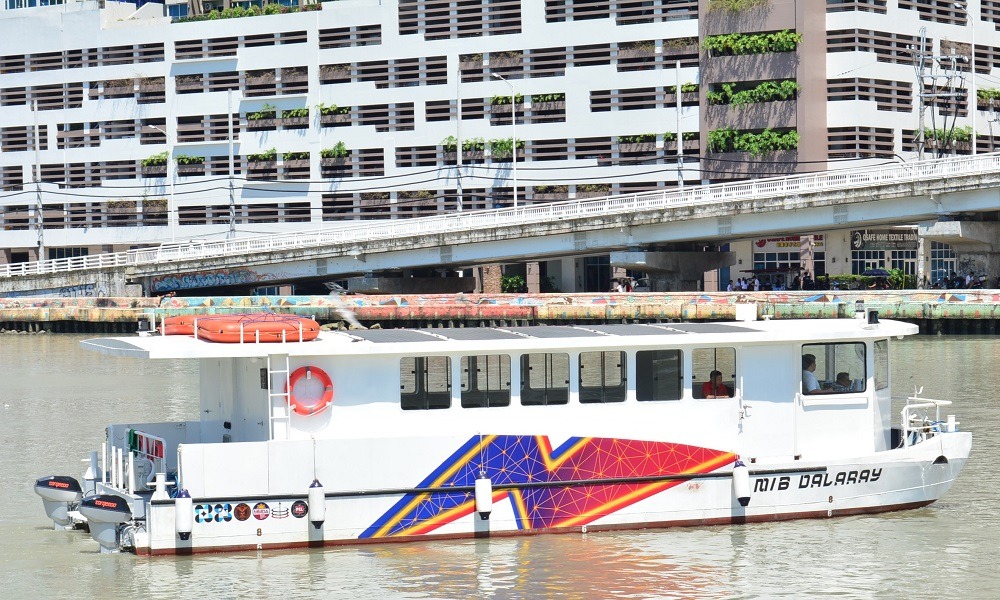
Among the projects being highlighted is the MB Dalaray electric ferry, designed for short-distance, community-based transport. The vessel, currently operating along the Pasig River, uses an electric propulsion system to reduce operating costs, noise, and emissions while providing regular service between Guadalupe and Escolta.
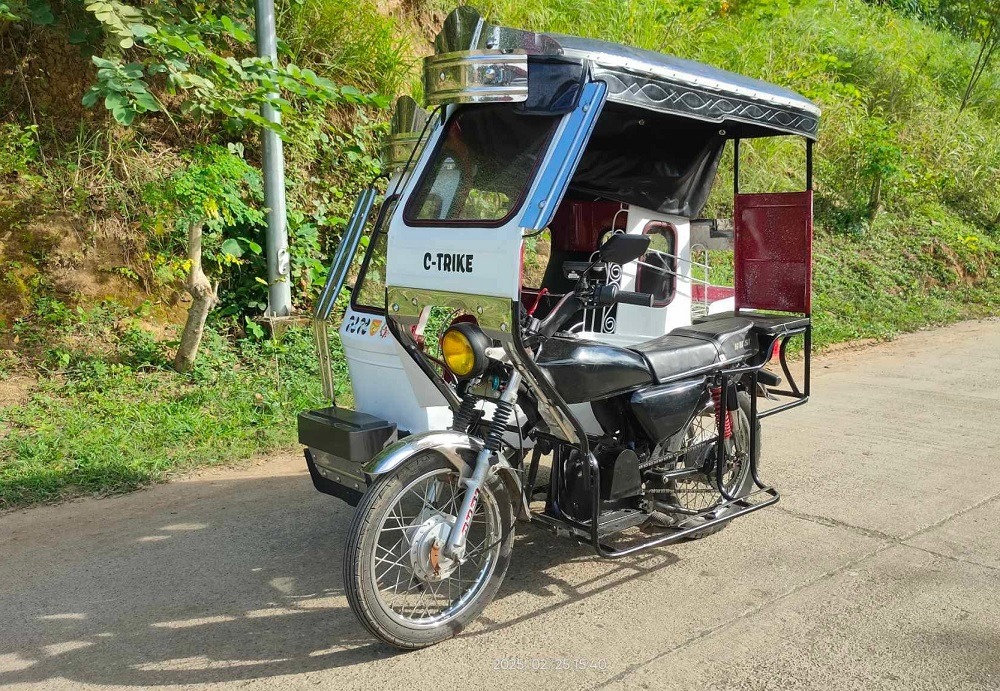
The DOST is also promoting other EV technologies, including the C-Trike, which consumes 4.5 kWh for a 56.4-kilometer range, and the E-Trike, which has already been deployed in several areas such as Cauayan, Tuguegarao, Batanes, Iloilo, and Metro Manila.
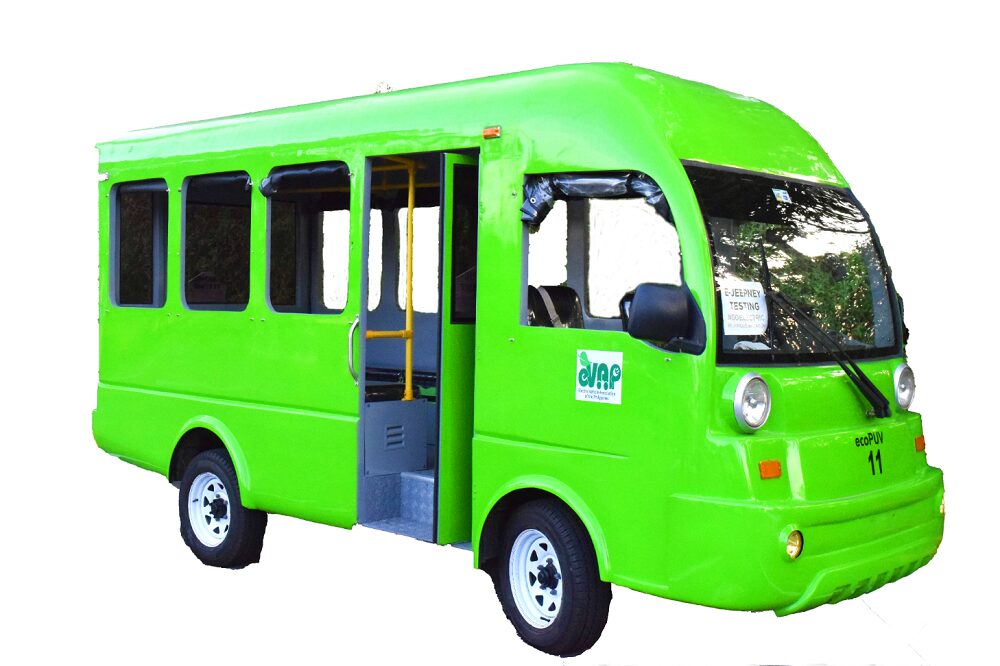
An electric jeepney developed by the Electric Vehicle Association of the Philippines (EVAP) is also being positioned as a replacement for aging jeepney fleets, while a hybrid electric train is being tested with the Philippine National Railways to reduce diesel dependence.
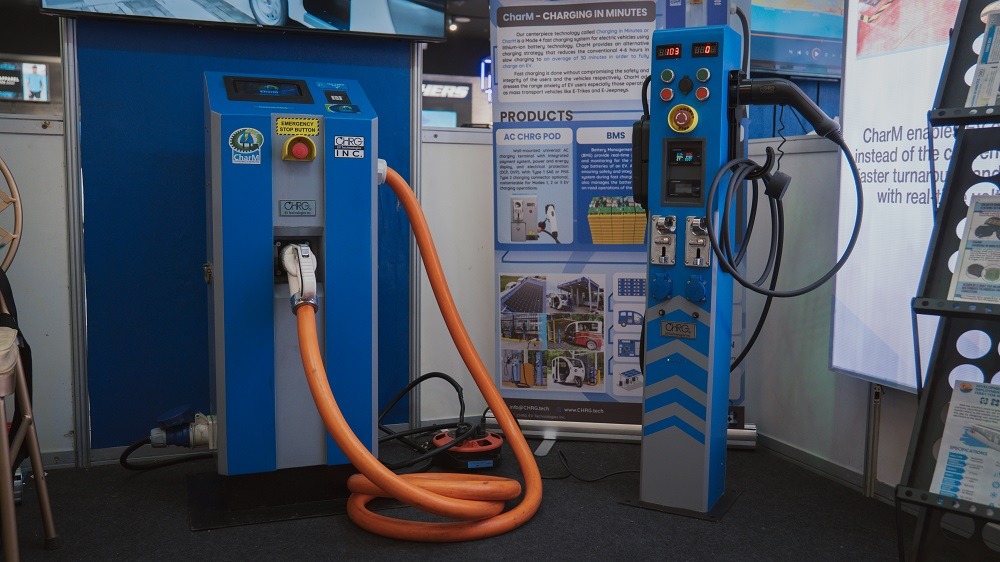
To address charging limitations, researchers from the University of the Philippines Diliman, with DOST-PCIEERD support, developed CharM (Charging in Minutes), a fast-charging system that can recharge EVs in about 30 minutes.
Charging stations have been installed across Metro Manila and in several provinces, including Quezon City, Pasig, Antipolo, Tuguegarao, and Cauayan.
DOST-PCIEERD deputy executive director Niñaliza H. Escorial said the technologies are already operational and ready for wider rollout.
“These are real, working technologies — tested on the ground and developed by Filipino engineers. As fuel prices continue to fluctuate, our e-mobility solutions give Filipinos a more stable, sustainable, and homegrown option,” she said.
The agency is urging commuters, transport groups, local government units, and businesses to adopt EV solutions as part of broader efforts to reduce reliance on imported fuel and accelerate the shift to cleaner transport systems.