The Supreme Court (SC) has ruled that a trademark application using the name “NIKON” cannot be registered, siding with Nikon Corp. in a dispute over brand similarity.
The SC’s Third Division denied the petition of a local company called ISCO Holding Corporation and affirmed an earlier ruling of the Court of Appeals, which rejected its application to register the “NIKON & DESIGN” mark for home and household goods.
The high court, in a ruling penned by SC associate justice Maria Filomena D. Singh, found that the proposed mark is confusingly similar to the well-known “NIKON” trademark already registered and widely used by Nikon Corp. in the Philippines.
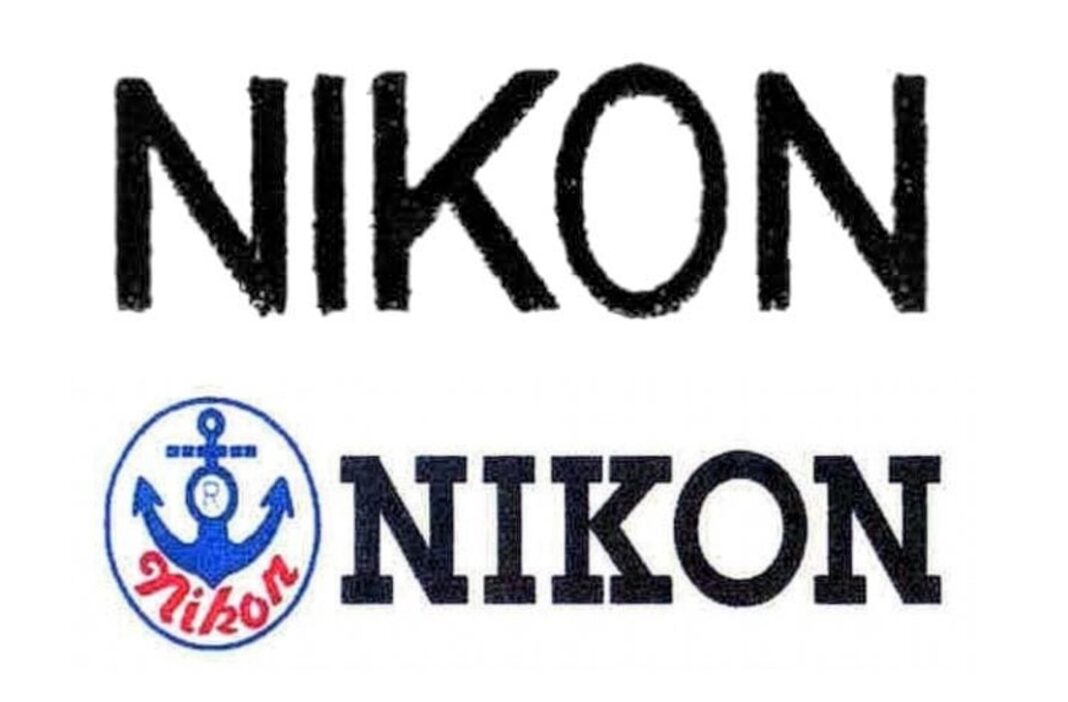
ISCO had argued that its products differ from those of Nikon Corp. and that design elements — such as an anchor enclosed in a circle and a distinct color scheme — would prevent consumer confusion.
However, the court disagreed, emphasizing the protection afforded to established trademarks under Philippine law. It explained that trademarks are used to identify and distinguish goods or services.
Under Section 147 of the Intellectual Property Code, one of the rights of a trademark owner is to exclude others from using their trademark in a way that would confuse consumers and cause financial harm to the owner, it stated.
The SC added that even if goods are unrelated, registration of a similar mark is barred when the earlier mark is considered well-known.
In assessing the marks, the court applied the “dominancy test,” which focuses on the most prominent features of competing trademarks.
Both ISCO’s and Nikon Corp.’s marks prominently use the word ‘NIKON’ – which is the dominant feature of both marks. They are spelled the same, appear in bold capital letters, and sound exactly the same when pronounced, it noted.
Because of these similarities, the court found that the marks create the same visual and auditory impression, increasing the likelihood of consumer confusion.
It explained that if ISCO were allowed to use its NIKON mark, consumers would likely assume a connection with Nikon Corp. Given its reputation for cameras, the public might believe that ISCO’s household appliances are made, approved, or endorsed by Nikon Corp., or that it has expanded into household products, the ruling added.
The court also warned of potential harm to the brand’s distinctiveness and reputation.
The SC also warned that ISCO’s use of the NIKON mark would damage Nikon Corp.’s interests because it would weaken its mark’s ability to uniquely identify a single source of goods.
The law, it said, protects famous trademarks from such uses to prevent the blurring of their distinctiveness and to preserve their value and reputation.