Hybrid vehicles are gaining traction among Filipino motorists, with early adopters citing fuel savings, convenience, and reduced emissions as key reasons for shifting away from traditional internal combustion engine (ICE) cars.
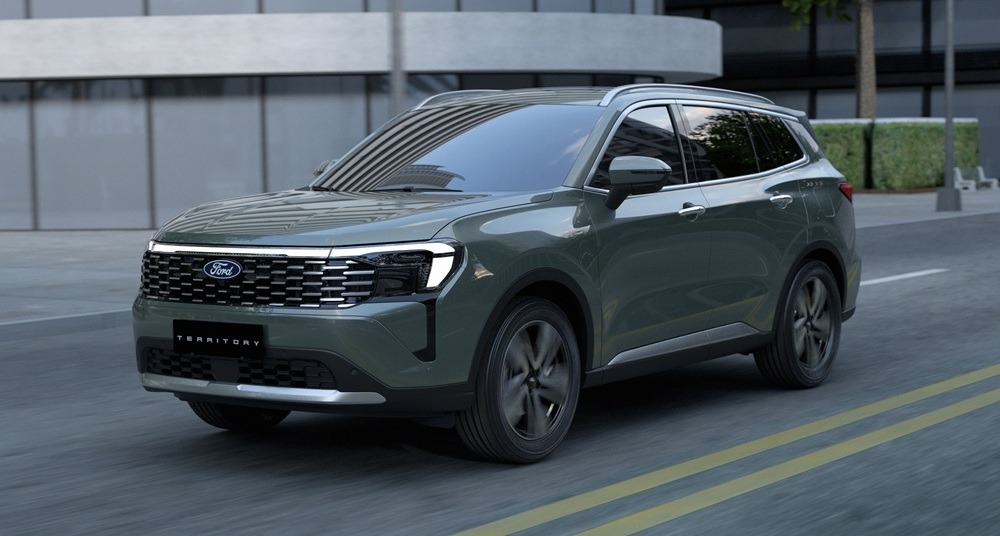
Less than a year after its local debut, the Ford Territory Hybrid has sold more than 1,000 units within its first three months, reflecting growing interest in electrified vehicles, particularly among first-time hybrid buyers and young families.
Owners who recently transitioned to hybrid vehicles say the shift has been driven largely by practicality rather than novelty.

“Transitioning to a hybrid vehicle was an interesting exercise, but one that quickly proved worthwhile,” said fitness coach Zach Peña.
“I’m a Ford Everest owner as well, and I’m used to hearing and feeling the car, but with the Territory Hybrid, the silence really stands out. The fuel efficiency is a huge win, so if you want to be smart about your daily costs, a full hybrid vehicle is a no-brainer.”
Hybrid vehicles, which combine a gasoline engine with an electric motor, do not require external charging and instead rely on regenerative braking and energy recovery systems. This setup has made them appealing in the Philippines, where charging infrastructure for fully electric vehicles remains limited.
For environmental advocate Cat Triviño, the decision to switch was influenced by both sustainability concerns and infrastructure constraints.
“Sustainability is one of my advocacies. The fact that I’m able to use less fuel and reduce emissions on my everyday drives without sacrificing the comfort and performance I’ve come to expect from a Ford is what made me go for the Territory Hybrid,” she said.
“I live in a condominium that isn’t designed for charging vehicles, and EV charging infrastructures in the Philippines are still catching up, so for now, a full hybrid vehicle gives me the best balance.”

Industry observers note that hybrids are increasingly being positioned as a transitional technology, offering some of the environmental benefits of electric vehicles without requiring changes in daily driving habits.
Early users also highlight range and practicality as advantages. Hybrid systems can extend driving distance by combining fuel and battery power, with some models capable of reaching up to 1,000 kilometers on a full tank under optimal conditions.
Beyond efficiency, features such as interior space, safety systems, and conventional components like spare tires remain important considerations for buyers comparing hybrid models with their gasoline-powered counterparts.
As automakers roll out more electrified options and pricing becomes more competitive, hybrids are emerging as a middle ground for Filipino consumers weighing cost, convenience, and environmental impact — especially in a market still building the infrastructure needed for a full transition to electric mobility.