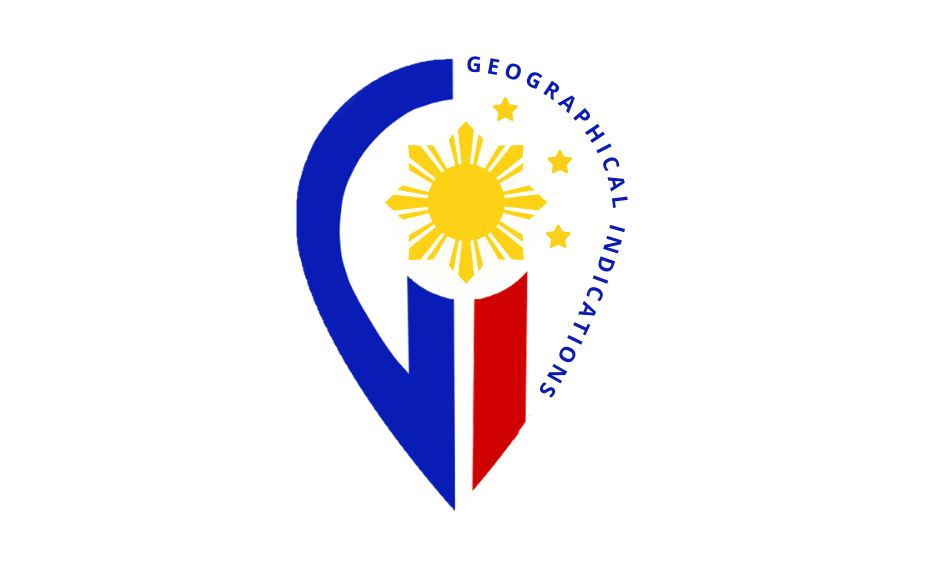
The Intellectual Property Office of the Philippines (IPOPHL) has introduced a new logo aimed at strengthening the country’s system for geographical indications (GIs), as part of broader efforts to boost recognition and market value of locally produced goods.
Launched on April 28, the Philippine Geographical Indications (GI) Logo is intended to serve as an official mark identifying products whose qualities or reputation are tied to specific geographic origins.
The logo, developed by IPOPHL’s Bureau of Trademarks, is designed to help consumers distinguish authentic origin-based products while giving producers a government-backed certification that could enhance market visibility and pricing.
“A GI is more than a label. It is a declaration of origin, that a product possesses a quality or characteristic essentially attributable to where it comes from: to the land, the climate, and the people who produce it,” said IPOPHL director general Teodoro C. Pascua.
“The GI Logo gives that declaration a face and a promise. Governed by clear guidelines, its presence on a product carries real meaning, including provenance, quality, and the assurance that a community stood behind it.”
Geographical indications refer to signs used on products that have a specific geographical origin and possess qualities or a reputation due to that origin. These may apply to agricultural, industrial, and handicraft goods, and are often associated with higher market value and consumer trust.
The rollout of the logo comes as the Philippines seeks to improve its GI framework, including governance, protection, and coordination among institutions, amid ongoing policy developments and pending legislation.
Under proposed rules, the logo will only be used by authorized registrants of recognized GI products, must appear alongside the official GI name, and follow prescribed visual standards to ensure consistency.
Sen. Loren Legarda, in a keynote message, emphasized the cultural and economic role of the initiative, saying the logo represents the link between products and their place of origin, as well as the knowledge of local communities.
“The GI Logo is a symbol and recognition of the deep connection between our products and the land from which they originate, our culture and the knowledge of our local communities. Through this mark, we provide stronger protection and dignity to products that can only be found in the Philippines,” her message read in Filipino.
French ambassador Marie Fontanel also highlighted the role of GIs in addressing global challenges such as climate change, noting that environmental shifts threaten products tied to specific locations.
“Climate change is definitely reshaping our own world, and GIs are one of the tools that can be used to fight back. We have seen that in France, where the very identity of wines of Champagne, for example, is increasingly under threat from shifting temperatures. If it can happen there, it can definitely happen here also. France’s commitment to strengthening its relationship with the Philippines and protecting the natural realm of the Philippines on land and at sea runs deep,” Fontanel said.
Lawmakers also pointed to the economic impact of GI protection. Rep. Maximo Dalog Jr. said recognizing origin-based products could help increase farmer incomes and support rural industries.
“For too long, our local products have suffered from a lack of recognition. When we protect a product through a GI, we are not merely adding a label. We are telling the world that this product is unique to its origin, its story and its people. This recognition helps boost farmer incomes by identifying high-potential GIs and supporting their registration, enabling producers to command premium prices and improve productivity,” his message read.
Currently, the Philippines has four registered GIs: Guimaras mangoes, Alburquerque asin tibuok, Aklan piña, and T’nalak Tau Sebu.