Gaming platform Roblox has introduced facial age estimation and expanded parental controls intended to limit young users’ access to inappropriate content and give parents more oversight of their children’s activity on the platform.
The measures were announced before the Zamboanga City school shooting, which subsequently intensified public debate in the Philippines over minors’ exposure to violent games, online chat groups and other potentially harmful digital content.
Roblox said its facial age estimation technology strengthens its age-verification process and helps determine whether users may access particular content and communication features.
Parents can also use the platform’s controls to manage screen time, communication settings and in-game spending.
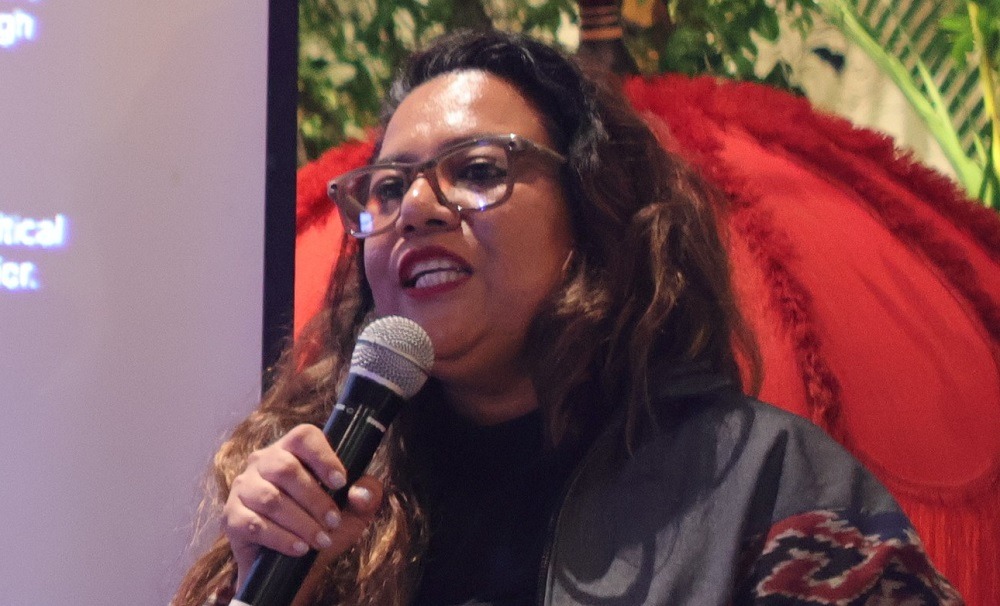
“Our primary goal is to create a safe and enjoyable environment for families,” said Papri Dev, head of Asia Pacific communication for Roblox.
“By enhancing our safety features and providing parents with the necessary tools, we empower them to manage their children’s experiences on the platform.”
Roblox also highlighted its “Family Zone,” an interactive experience designed to teach parents how to use the platform with their children. In the game, children guide their parents through account setup, online safety and other features.
The company said its community standards and user-reporting system are intended to address inappropriate behavior across the platform, which hosts millions of user-generated games and experiences.
The safeguards have taken on added relevance following the Zamboanga shooting and an earlier school shooting in Tacloban City, although the role of particular platforms or online content in the incidents remains under investigation.
After the Zamboanga incident, Sen. Bam Aquino rejected calls for an outright ban on video games for minors. He instead proposed stricter enforcement of age restrictions on violent games and tighter controls over online chat groups where children may encounter violent, extremist or other harmful material.
Aquino, chair of the Senate Committee on Basic Education, has also proposed penalties for game developers and parents who allow minors to access mature-rated games.
He earlier filed Senate Bill No. 2299, or the proposed Digital Safety for Minors Act, which would prohibit children below 15 from accessing social media platforms.
Cybersecurity practitioner Abet Dela Cruz later called for a binding national digital safety framework requiring platforms to restrict certain features for minors by default and device manufacturers to incorporate child-safety controls during activation.
His proposal identified weak age verification, unmoderated chat functions, algorithmic recommendation systems and difficult-to-configure safety settings as key risks. It also proposed a one-click family safety mode combining content filters, direct-message restrictions, safe search, screen-time limits and app-store controls.
Dela Cruz cautioned against concentrating policy responses on individual platforms such as Roblox, arguing that the risks extend across a wider ecosystem of gaming, messaging, video and social media services.
Apart from its safety features, Roblox operates a “Learning Hub” offering interactive resources on subjects including computer science and the arts.