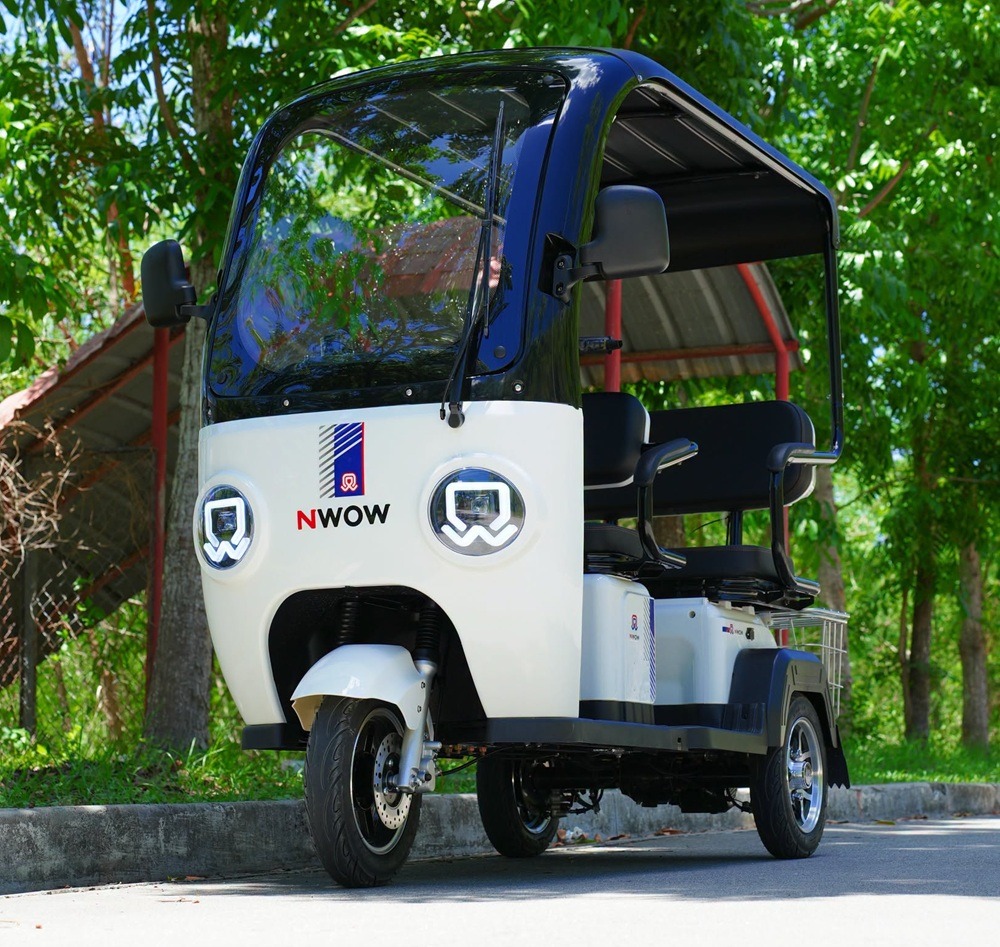
The Department of Trade and Industry (DTI) is proposing mandatory safety certification for light electric vehicles (LEVs) and their batteries before they can be sold in the Philippines, citing risks involving electrical malfunctions, overheating, and fires.
Under a draft technical regulation, covered vehicles and battery units must comply with applicable Philippine National Standards (PNS) before they can be distributed or sold in the domestic market. Batteries would undergo a separate certification process from the vehicles they power.
The proposed rules cover electric bicycles (e-bikes), personal e-mobility devices, electrically propelled mopeds, electric motorcycles, and their batteries.
Excluded are electric vehicle supply equipment, charging stations and infrastructure, battery-swapping stations, stationary battery energy storage systems, and electrical components not specifically listed in the draft.
However, relevant components may still be tested as part of a complete vehicle during standard evaluation.
The DTI, through the Bureau of Philippine Standards (BPS), held a public consultation on the proposed “Technical Regulation Concerning the Mandatory Certification of Micromobility” on Oct. 14 in Taguig City.
The consultation brought together industry associations, manufacturers, testing and certification bodies, e-commerce platforms, and trade representatives to discuss the proposed requirements.
UL Standards and Engagement, an international safety science organization, also presented international benchmarks for LEV batteries and electrical systems, including UL 2271 for LEV batteries, UL 2272 for personal e-mobility electrical systems, and UL 2849 for e-bikes.
The DTI is seeking feedback from industry stakeholders and technical experts before finalizing the proposed regulation.Comments and recommendations may be submitted through the BPS online portal or by email to [email protected] until Dec. 13, 2026.