Scam exposure among Filipino adults rose to 84% in 2026 from 77% a year earlier, while only 4% reported incidents to authorities, according to the Asean Foundation’s State of Scams Philippines 2026 Report.
The report also found that 60% of those who encountered scams still interacted with scammers, even as 58% of Filipino adults expressed confidence in their ability to recognize fraudulent activities.
The findings highlight gaps between awareness, behavior, and reporting as digital fraud becomes more difficult to detect.
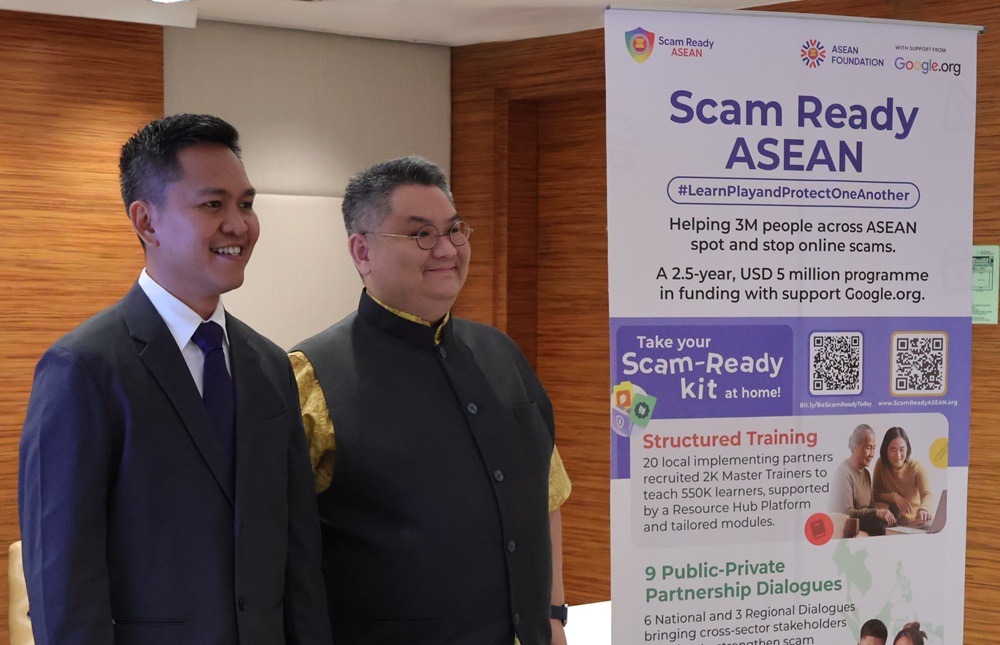
The Asean Foundation, with support from Google.org, unveiled a free online scam education platform during a public-private partnership dialogue in Manila on Nov. 10.
Available at ScamReadyAsean.org, the Scam Ready Asean Resource Hub provides learning materials, interactive tools, and information on where to report suspected fraud across the region’s 11 member states.
Its curriculum draws on input from Internet safety experts at the Internet Society and Global Cyber Alliance, as well as local implementing partners. It also includes Google’s Be Scam Ready educational game, which lets users practice identifying scam tactics in simulated situations.
The Philippine findings come amid broader regional losses. The Global Anti-Scam Alliance (GASA) estimated that scams caused $23.6 billion in losses across Southeast Asia in 2024.
The Asean Foundation cited the use of artificial intelligence (AI), instant payment systems, and cross-border digital platforms as factors making scams more sophisticated and harder to detect.
The resource hub is part of the Scam Ready Asean program, which runs from 2025 to 2027 with $5 million in support from Google.org. The program aims to reach 3 million people through training and public awareness activities.
According to the foundation, the program has engaged 20 local implementing partners and recruited 2,332 master trainers since its launch in Malaysia in April 2026. The trainers are expected to support scam prevention education for at least 550,000 learners.
It has also recruited 151 volunteers under its Asean Digital GrandPals initiative to help educate at least 22,000 older persons and members of their communities about online scams.