

For many Filipinos, the dream of opening a restaurant starts with a simple thought: “Someday, I’ll have a place of my own.” For some, it remains a daydream; for others, it becomes a bold leap into entrepreneurship.
Today, thousands of these dreamers make up the country’s micro, small, and medium enterprises (MSMEs), which account for 99% of local businesses. Many of them are “mom-and-pop” restaurants — passion projects that have evolved into full-fledged food ventures.
But the path is far from easy. Independent restaurateurs face tough odds, from steep overhead costs to intense competition with established chains. The pandemic added yet another hurdle — forcing doors shut and drying up foot traffic.
For many, survival meant going digital.
A Lifeline in Lockdown
“The rapid rise of food delivery and e-commerce apps during the pandemic was no coincidence,” remarked Lhecks de Castro, finance director of foodpanda Philippines.
“As everyone had to stay indoors by default, these delivery platforms became a lifeline for consumers to get food and other essentials; and a lifeline for restaurants to sustain their businesses even with zero foot traffic.””
That shift has proven lasting. Even as malling and dine-in culture bounce back, delivery remains part of everyday life for both consumers and businesses.
Today, thousands of vendors on the foodpanda platform — many of them small, independent operators — are tapping into new digital audiences and revenue streams they never had before.
For some, joining the platform marked their first step into e-commerce, allowing them to build an online presence strong enough to stand alongside larger brands.
From Makati to Metro Manila
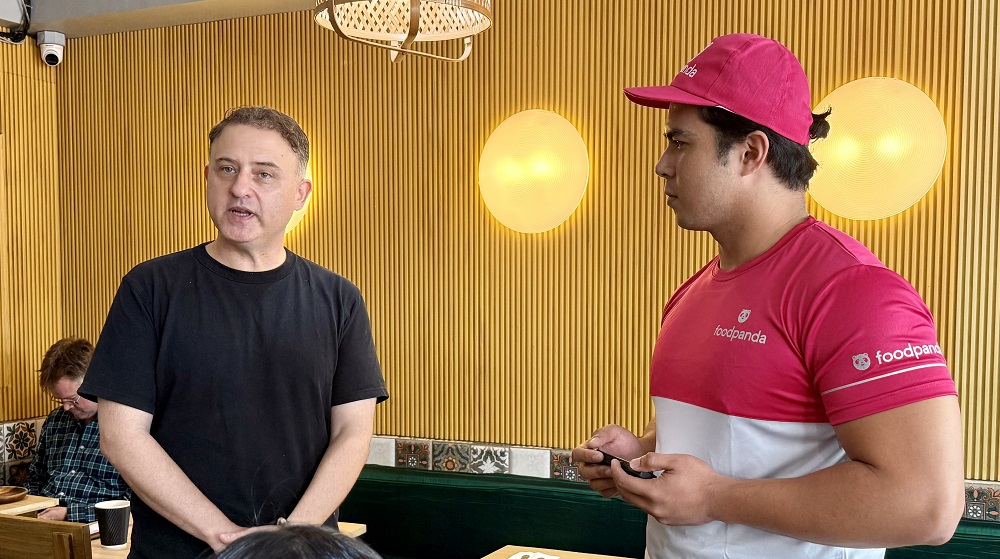
One such success story is Hummus Elijah, a Middle Eastern eatery tucked into Makati’s Poblacion district. Founded in 2015, it joined foodpanda in the same year.
“Although we have loyal dine-in customers, online delivery lets us reach people who’d rather eat at home, office workers on their lunch break, or even travelers staying nearby,” said founder Eli Lapid.
“We’ve even served customers outside Makati — something that would have been nearly impossible through dine-in service alone.”
This reach has transformed small businesses into citywide names. Fellow Makati favorites Spotted Pig and Nolita Joes share similar stories.
For Spotted Pig, which first gained a following in Siargao, joining foodpanda opened the door to a new Manila audience.
“When we were starting here, foodpanda really helped us get known,” said owner Isabella Alvarez. “It allowed us to introduce our island flavors to people who hadn’t even visited our restaurant yet.”
Leveling the Playing Field
Beyond logistics, foodpanda offers MSMEs marketing muscle. From targeted ads to promotional campaigns, small restaurants can access the same visibility tools as bigger brands — a game-changing equalizer in a crowded market.
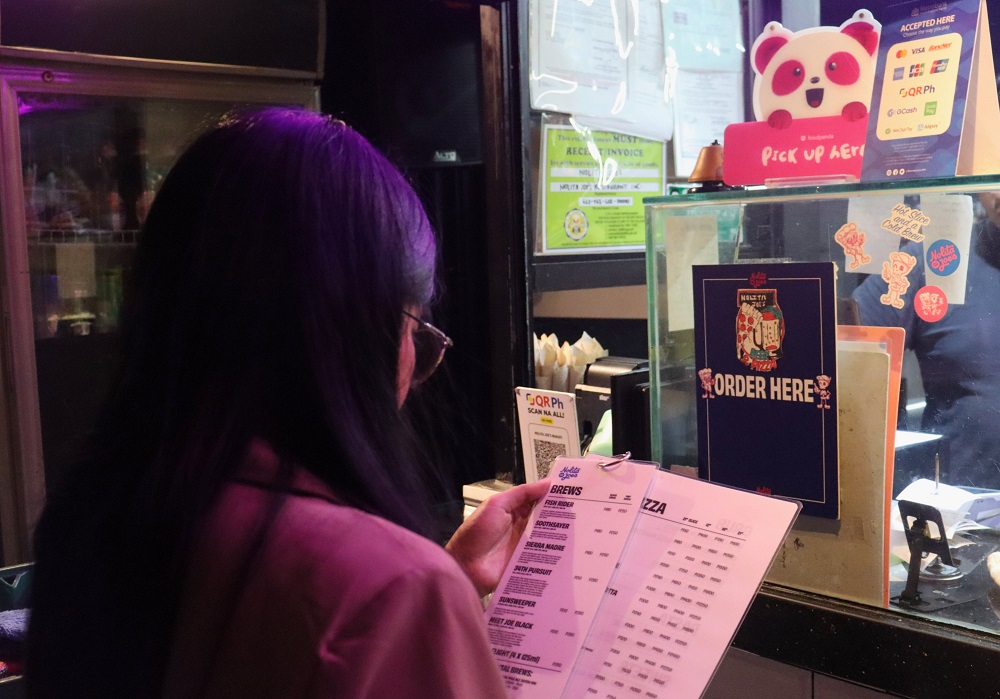
Still, not every small business can jump in. Limited capital often holds owners back from expanding their reach. To address this, foodpanda introduced foodpanda Capital, a performance-based financing program with no collateral, simple requirements, and transparent terms.
“We designed these financing programs with mom-and-pop stores in mind,” de Castro said. “We want to help them grow into the next big restaurant that many Filipinos can enjoy.”
A Bigger Vision
For foodpanda, the mission goes beyond individual success stories.
“Our vision is to help the MSME sector achieve sustained growth and resilience,” de Castro added. “When small businesses thrive, it benefits customers, partner vendors, freelance delivery riders, and entire communities.”
In an industry where big names often dominate, digital platforms are giving small restaurants a fighting chance — turning once-modest dreams into realities that can compete on a national stage.
And for many Filipino food entrepreneurs, the recipe for success now comes with three ingredients: start small, dream big, and go online.


