The Office of the Ombudsman has directed the Land Transportation Office (LTO) to immediately stop using the LTO-IT system operated by Stradcom Corporation and fully migrate all transactions to the government-owned Land Transportation Management System (LTMS).
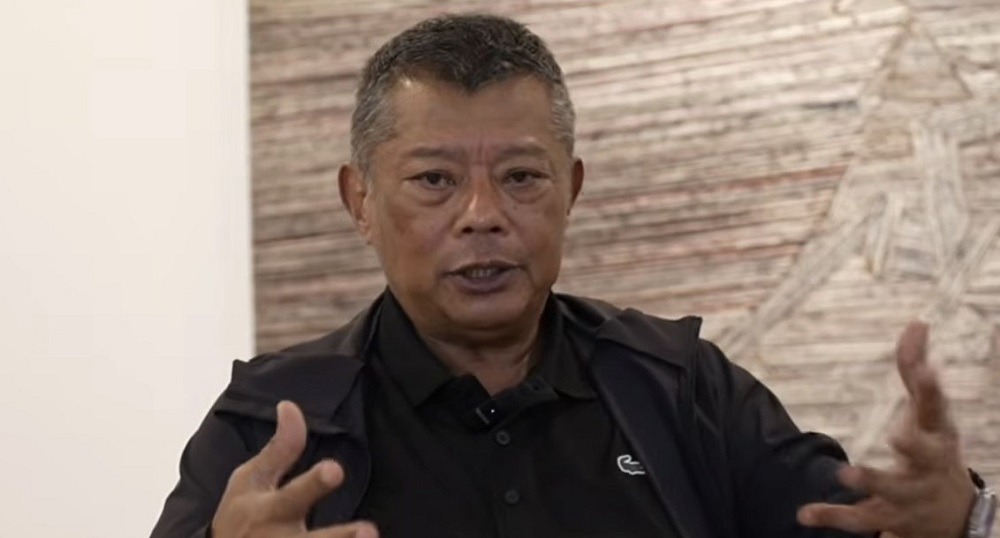
In a directive dated May 29, 2026 and addressed to LTO officials and employees, Ombudsman Jesus Crispin C. Remulla ordered the “immediate restoration of public access” to the LTMS and the “cessation of use of Stradcom’s LTO-IT System.”
The Ombudsman said the LTMS, which has been operating for six years, is a government-owned platform that should be fully utilized for LTO services and transactions.
It added that public access to the system had allegedly been compromised and removed “to the prejudice of the Filipino people and the motoring public.”
The directive cited findings by the Commission on Audit (COA), including concerns that the Stradcom system was operating “without a duly executed and subsisting contract,” potentially exposing responsible officials to administrative and criminal liability under procurement and anti-graft laws.
The Ombudsman also raised concerns over the lack of “competitive procurement and contractual transparency” and the absence of an audit trail and safeguards in the LTO-IT system.
It further claimed that the use of the Stradcom platform imposed additional computer fees on motorists amounting to billions of pesos.
Citing a COA audit observation memorandum dated March 31, 2026, the directive said computer IT fees collected from the public and paid to Stradcom from January to December 2025 reached more than P602.9 million.
“By contrast, no computer IT fees are paid by the public if they transact under the LTMS,” the directive stated.
The Ombudsman also described the LTMS as “chronically underutilized” despite years of operation, and ordered that all LTO transactions be processed exclusively through the platform moving forward.
Under the order, LTO officials were instructed to submit within five days a time-bound LTMS action plan addressing remaining functional gaps, as well as a compliance report confirming the cessation of use of the Stradcom system.
The directive comes amid growing scrutiny over the LTO’s continued use of the Stradcom-managed IT system despite the availability of the government-owned LTMS.
Last week, a group called Coalition 169 questioned the LTO’s continued rollout of the Stradcom system in several regions, raising concerns over regulatory approvals, data governance, and the agency’s reliance on a privately operated platform despite years of government investment in the LTMS.
The issue has also reached the Office of the Ombudsman earlier this year. In May, Coalition 169 filed graft and administrative complaints against current and former officials of the Department of Transportation (DOTr), the LTO, and executives of Stradcom Corporation over the continued collection of computer fees and the parallel operation of the Stradcom system alongside the LTMS.
The group had called for a review of the legal basis for the fees, disclosure of relevant contracts and approvals, and a definitive timeline for the government’s full transition to the LTMS.
The Ombudsman’s latest directive echoes several of the issues raised in those complaints, including the collection of computer fees, the alleged lack of a valid contract, and the continued underutilization of the LTMS despite substantial public investment in the platform.
The directive also warned that non-compliance could lead to administrative proceedings, including preventive suspension.
“The Filipino people and the motoring public’s right to efficient, accountable, and corruption-free public service will not be compromised. This Office will brook no delay of any sort,” Remulla said.
In a statement, Coalition 169 welcomed the Ombudsman’s directive and called for a deeper investigation into the continued use of the Stradcom system.
The group cited the Office of the Ombudsman “for its decisive action in directing the cessation of the use of the Stradcom LTO-IT System and prioritizing the government-owned LTMS.”
The coalition said the directive affirms “that transparency, accountability, and the rule of law must prevail in government transactions,” while recognizing concerns raised over procurement compliance, public accountability, government data security, and the financial burden imposed on motorists.
However, the group stressed that the Ombudsman’s action should only be the beginning of a broader probe.
“Coalition 169 believes that the Ombudsman’s investigation must continue to its logical conclusion and identify all officials and individuals who may be responsible for any violations of law, abuse of authority, or irregularities related to the implementation and use of the Stradcom LTO-IT System,” the group said.
The coalition also urged the government to study possible refunds or other remedies for motorists who may have paid fees linked to transactions processed through the questioned system.
“The Filipino people deserve assurance that any improperly collected charges will be fully reviewed and, where warranted by law, returned,” it said.