

In early November 2023, nubia launched its latest smartphone — the nubia V80 Design — in the Philippines. Previously unveiled at global tech summits, this device is marketed as the perfect combination of functionality and affordability, inviting users to “find your vibe.”
Newsbytes.PH takes a closer look at its design, performance, camera capabilities, and overall value.
Design and Display
The nubia V80 Design features a sleek profile at just 7.7mm thick and a flat 6.75-inch IPS LCD display. The phone’s modern aesthetic is accentuated by curved corners and a raised camera module situated at the upper portion of the back cover.
However, the design’s positive aspects are somewhat dampened by the use of a plastic frame, which gives it a flimsy feel compared to other smartphones in its class.
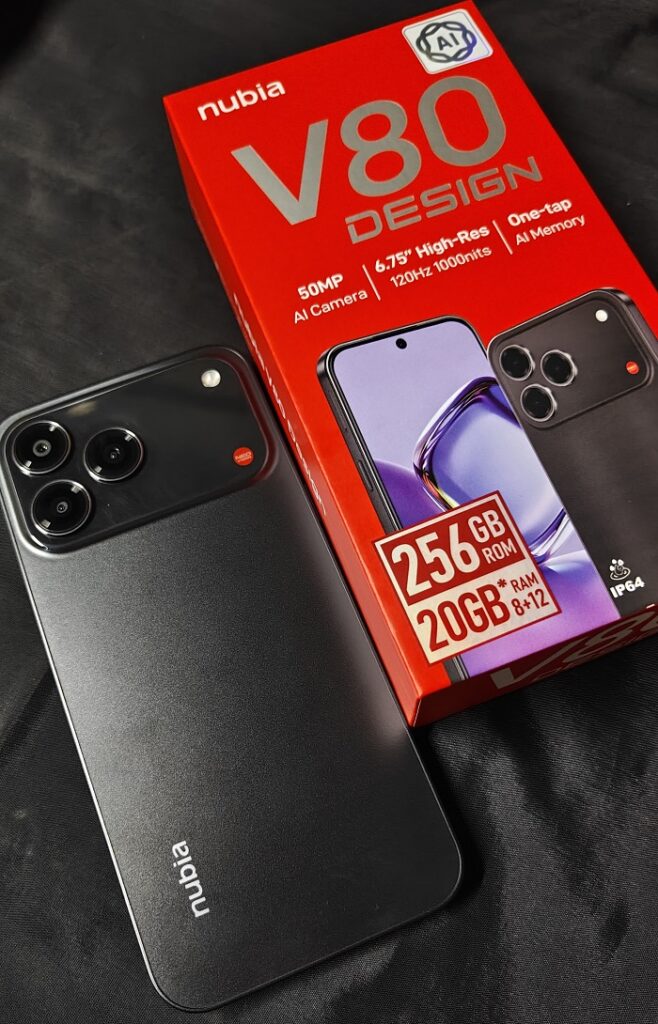
On the right edge of the display, are the power button and volume rocker, while the left side hosts an additional “AI Memory” button that acts as a shortcut to the phone’s intelligent features.
While the display resolution stands at 1940 x 900, it does offer a decent viewing experience for the price, making it suitable for media viewing.
Performance
The nubia V80 Design runs on a Unisoc T7280 chipset, which comes with an integrated Mali-G57 MP1 GPU. Users can opt for 8GB of RAM, expandable up to 12GB, and 256GB of internal storage, all powered by a 5,000mAh battery.
Using PCMark Work 3.0 battery life test, it was able to last for 12 hours and 17 mins from 80% to 20% charge.

While the chipset performs adequately for basic tasks, it struggles with more demanding applications, leading to occasional slowdowns during multi-tasking.
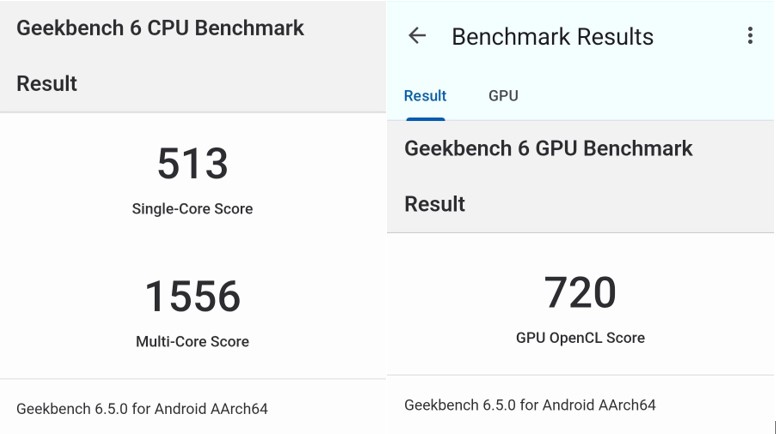
In benchmarks, Geekbench 6 scores reveal a single-core score of 513 and a multi-core score of 1,556, while the GPU managed a score of 720, indicating that light gaming and some AI functions are achievable.
The AI Memory feature, designed to analyze onscreen content and provide detailed descriptions, works well in theory but tends to lag due to the limitations of the chipset, with only a quantized score of 331 using Geekbench AI. Users hoping for a seamless AI experience may find this aspect disappointing.
Camera Performance
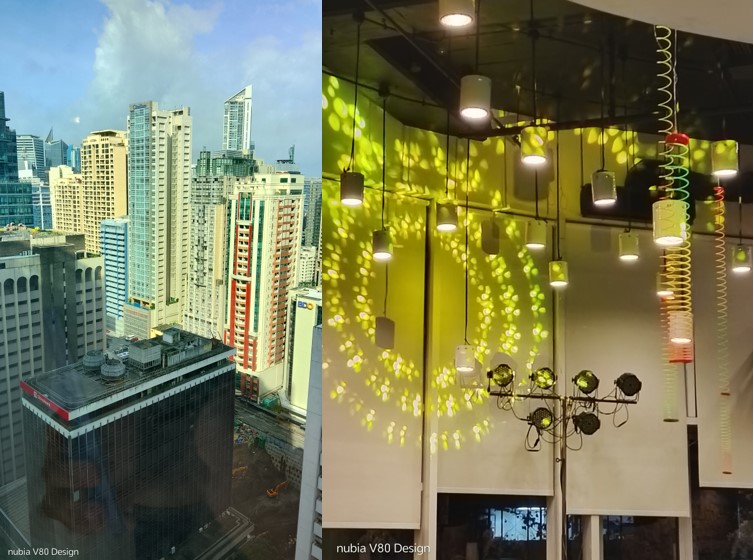
The rear camera setup includes a 50MP AI camera paired with a 2MP depth sensor. The AI processing capabilities help enhance image quality by cleaning and sharpening photos, although the results may not stand out as top-tier.
The absence of optical image stabilization does result in some motion blur, but the AI processing attempts to mitigate this issue, making the camera suitable for beginner content creators and casual users.
For selfies, the 16MP punch-hole camera offers satisfactory results for personal use, rounding out the phone’s photographic capabilities.
Quick Specs and Pricing
- Processor: Unisoc T7280, Octa-Core
- Dimensions: 166mm x 79mm x 7.7mm
- Weight: 191g
- Display: 6.75″ IPS LCD display
- Resolution: 1940 x 900 (19.5:9 ratio)
- Camera: 50MP AI camera, 2MP depth sensor
- Selfie Camera: 16MP punch-hole camera
- Battery: 5,000mAh
- Operating System: MyOS16 (Android 16)
- IP Rating: IP64 dust and water resistance
- Colors: Midnight Black, Pale Amber, and Celadon Cyan
- Pricing:
- 4GB + 256GB (P5,799)
- 8GB + 256GB (6,499)
Verdict
The nubia V80 Design is a solid budget smartphone that delivers decent performance for its price point of P6,499, for the variant with 8GB of RAM.
Although it lacks premium processing capabilities and a high-quality build, it provides enough functionality for students and office workers looking for an affordable option. The device shines with its large screen, AI features, and stylish design; however, users should keep in mind the limitations of its hardware.
Pros
- The display has better resolution than previous models
- AI Memory button for easy information access
- Attractive design with a decent IP rating
- Affordable, with decent capabilities
Cons
- Unisoc chipset may struggle to support advanced AI tools
- Plastic build quality feels cheap compared to rivals
- AI features are basic and may not perform optimally due to hardware constraints


