
The National Privacy Commission (NPC) has released NPC Circular No. 2025-01, establishing guidelines on the processing of personal data collected using body-worn cameras and similar recording devices.
The circular, which became effective last June 10. 2025, outlines protocols on protecting data subjects’ personal data and overall management of audio-visual recordings and metadata generated through these devices.
“With the growing use of body-worn cameras across law enforcement, private security, and even digital content creation, we are entering a new era where the boundary between public safety, personal expression, and individual privacy is increasingly complex,” said NPC commissioner John Henry Naga.
“NPC Circular No. 2025-01 reflects our commitment to ensuring that technologies meant to enhance transparency and accountability do not come at the cost of unwarranted surveillance or intrusion of privacy.”
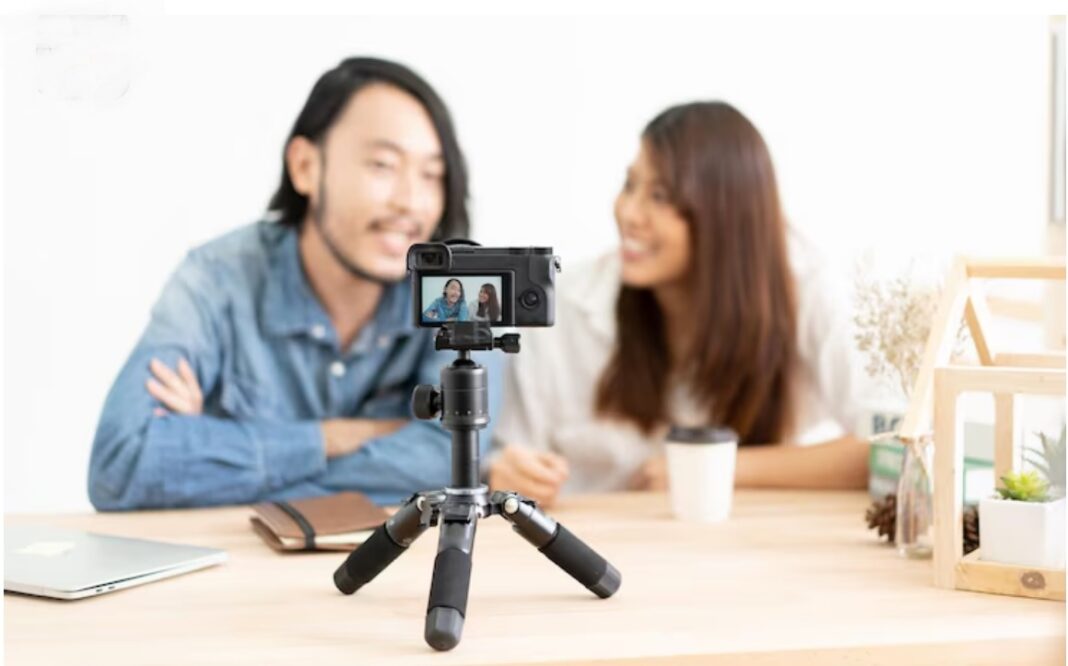
The circular sets out requirements for law enforcement and security, as well as vloggers using body-worn cameras and other recording devices.
For law enforcement agencies, the circular reinforces the requirement to observe transparent, fair, and lawful use of body-worn cameras, especially in sensitive operations such as the execution of warrants.
Agencies must ensure proper authorization, clear retention policies, and mechanisms for public access requests and complaints, the circular said.
For vloggers and digital content creators, the circular clarifies that recording individuals in public or private settings, especially when these recordings are uploaded, streamed, or monetized, constitutes personal data processing.
As such, content creators must uphold the Data Privacy Act of 2012, ensuring that personal data processing activities are done in a fair and lawful manner and affected data subjects are allowed to exercise their rights.
This includes, among others, providing adequate information to data subjects prior to any recording activity, having appropriate privacy notices on its platforms, masking images of data subjects as needed, and being responsive to takedown or privacy requests from featured individuals.


