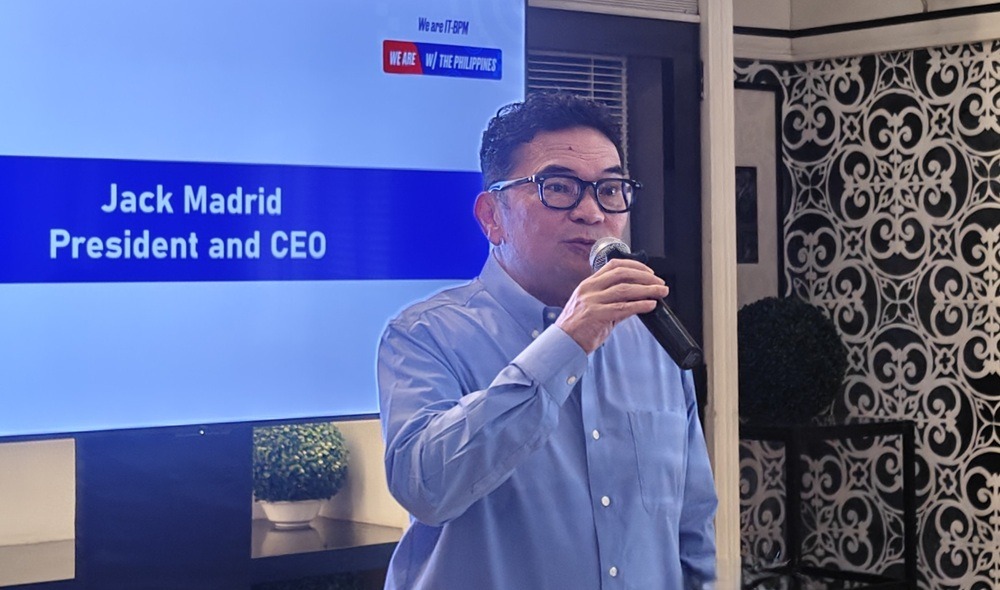
The IT and Business Process Association of the Philippines (IBPAP) has outlined a skills-centered roadmap for 2026 following the conclusion of its 2025 agenda, as artificial intelligence continues to transform operations across the IT-BPM sector.
During an industry event held on Jan. 28, IBPAP emphasized the need for closer collaboration among companies, government agencies, and academic institutions to strengthen the country’s digital workforce and prepare Filipino professionals for higher-value roles.
The Philippine IT-BPM industry is targeting nearly 1.97 million full-time employees and revenues of about $42 billion by the end of 2026.
To support this growth, IBPAP is rolling out a comprehensive talent development strategy covering early education, skills training, and continuous workforce upskilling.
Among its flagship programs is “Can You HackIT,” which identifies job-ready digital talent across different regions, highlighting that high-value technology jobs are not limited to major urban centers.
The initiative supports the industry’s shift toward complex digital services and was recognized at the 61st Anvil Awards for expanding access to advanced digital skills.
IBPAP is also strengthening the early talent pipeline through “Byte the Gap,” a program developed with the Department of Education (DepEd) that improves technology access in public schools. So far, 1,641 computers and laptops have been distributed nationwide, with 500 more units scheduled for deployment.
For existing industry workers, IBPAP continues to promote reskilling and upskilling through programs such as Enterprise-Based Education and Training (EBET) and Project UNLAD, a P740-million partnership with the Department of Information and Communications Technology (DICT) and the Technical Education and Skills Development Authority (TESDA). These initiatives aim to equip employees with advanced digital and AI-related competencies as job requirements evolve.
The association is also implementing labor standards and health programs to support long-term workforce participation and ensure that employees are protected as work becomes more technology-driven.
IBPAP said these combined efforts reflect the industry’s focus on strengthening skills, expanding participation, and aligning workforce development with economic growth.
“As the delivery of Gen AI-assisted customer experience and AI operations becomes increasingly integrated into workflows and business operations, the opportunity becomes clearer. It allows us to prepare the Filipino people for more complex, higher-value work while continuing to grow the industry,” said IBPAP president and CEO Jack Madrid.