
Traffic accidents remain the leading reason for calls to the country’s national 911 emergency hotline, followed by requests for police assistance and reports of crimes and violent incidents, according to officials behind the Unified 911 system.
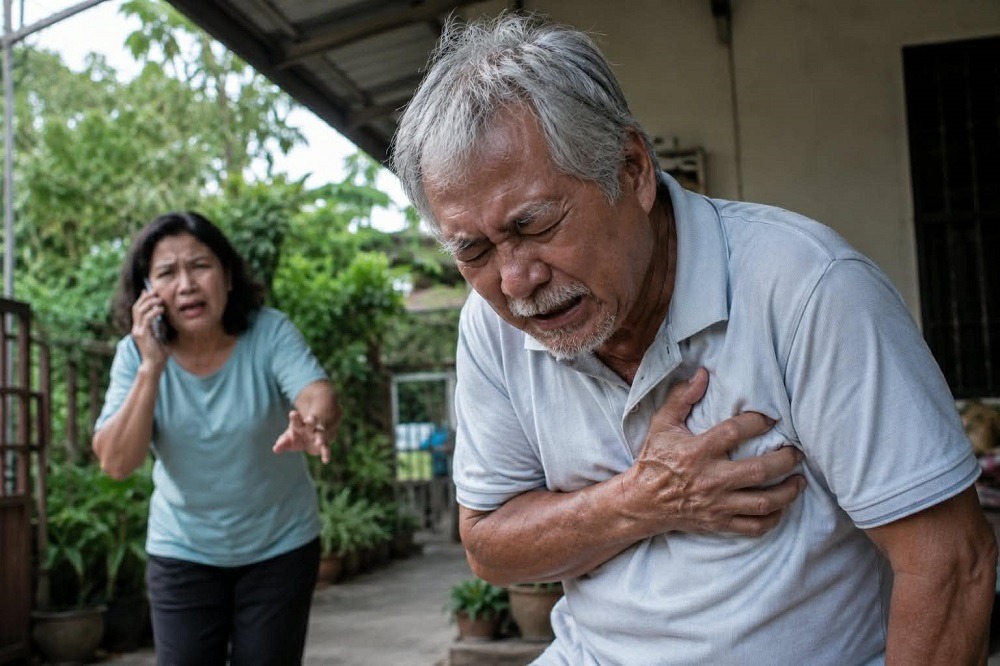
Medical emergencies ranked next, followed by fire incidents, but emergency responders said health-related cases require the most urgent action because delays can lead to permanent injury or death.
Officials said cardiac arrest, severe bleeding, strokes, poisoning, seizures, and breathing difficulties require immediate emergency response, especially among senior citizens living alone.
The Unified 911 Emergency Hotline is a free 24/7 service that connects callers to local police, medical, fire, and disaster response teams nationwide.
Among the cases cited by the system operators was a 70-year-old woman in Bataan who suffered a head concussion and was brought to a hospital after responders from the Abucay Rescue team received a 911 call.
In Sultan Kudarat, responders were also dispatched after a mixer truck crashed into a residential area, resulting in injuries to two victims.
Authorities reminded the public that the hotline should only be used for emergencies and not for minor illnesses such as colds, low-grade fever, routine prescription refills, or minor injuries.
People waiting for responders were advised to unlock doors, alert neighbors, remain calm, and avoid driving themselves to the hospital during medical emergencies.
“The important thing is to keep calm. The world-class unified 911 system now providing quicker emergency response, will find the exact location of the emergency call due to its state-of-the-art geolocation capabilities. Features that allow callers to send voice, text, video or live streaming content to the command center takes responders’ situational awareness to the next level,” said Robert Llaguno, country head of NGA 911 Philippines.
The Unified 911 system is powered by NGA’s emergency response platform and supported by the telecommunications infrastructure of PLDT.


